





Our comprehensive guide to understanding the Safe Isolation Procedure and why it is essential for practising electrical safety at work
What is a safe isolation procedure?
Safe isolation procedures are essential steps to ensure that electrical equipment or circuits are fully disconnected from all sources of electricity before any work begins.
By safely isolating the power supply and implementing measures to prevent it from being accidentally switched back on, these procedures protect anyone carrying out inspection, maintenance, or repair work.
Key terms used in safe isolation
Point of isolation
The location in the electrical system where the supply is safely disconnected.
Isolation device
The equipment that physically disconnects the supply, such as a switch, circuit breaker, fused spur, or isolator. This is what you operate to interrupt the electrical supply.
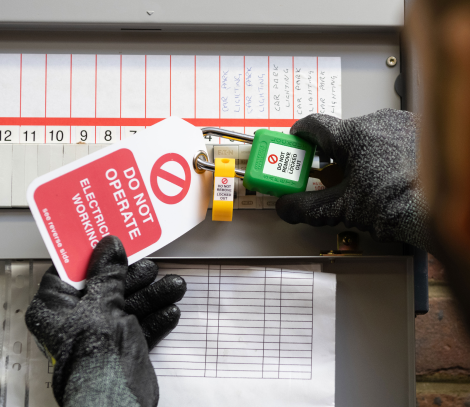
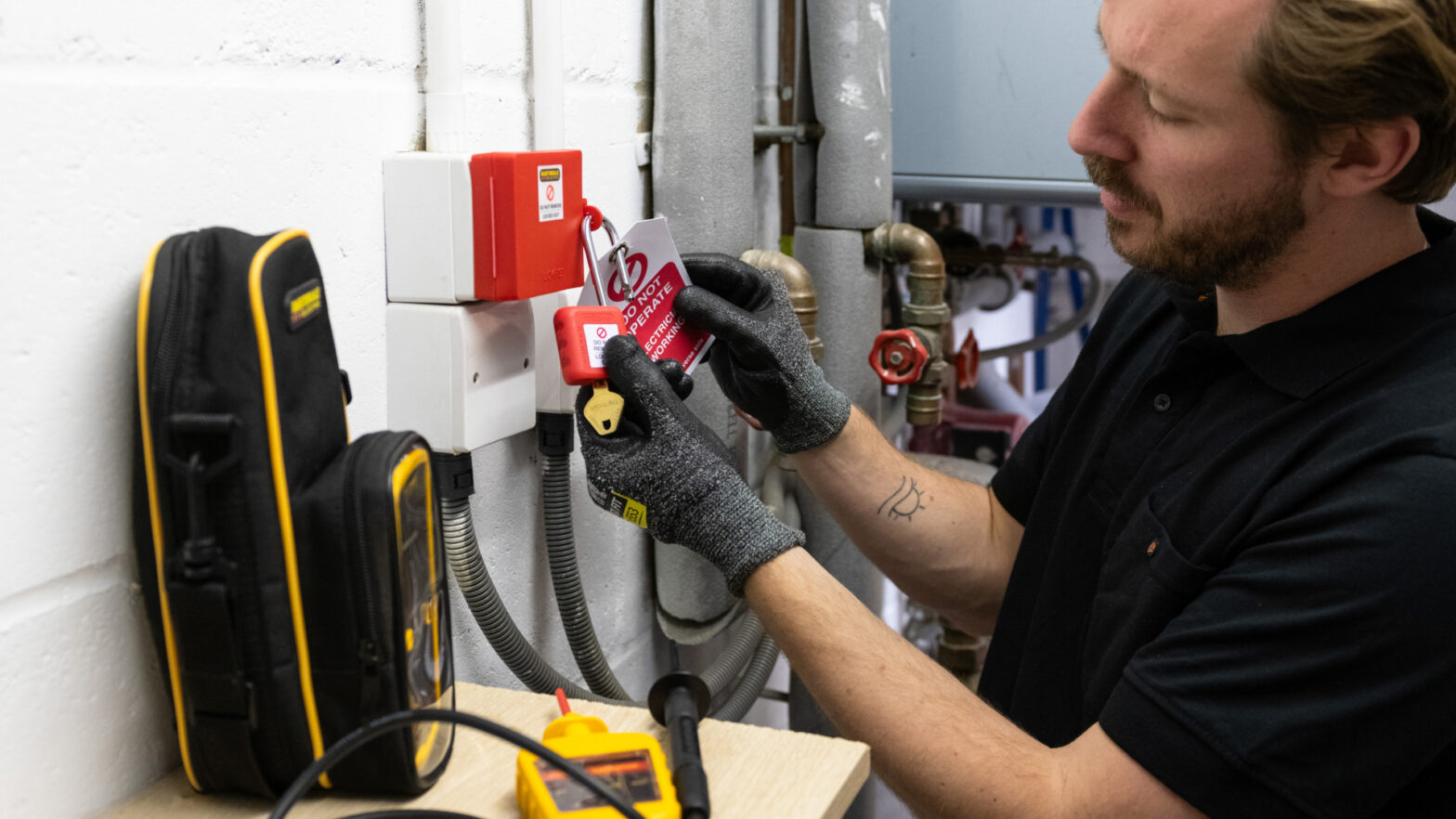
Lock Out Tag Out (LOTO)
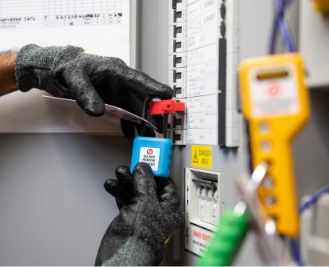
Securing the isolation device in the OFF position using a lock or lock-off device to prevent accidental re-energisation. Application of a non-removable tag clearly warning “Do not operate”, ensuring the equipment cannot be switched on while work is in progress. This provides both physical and visual protection.

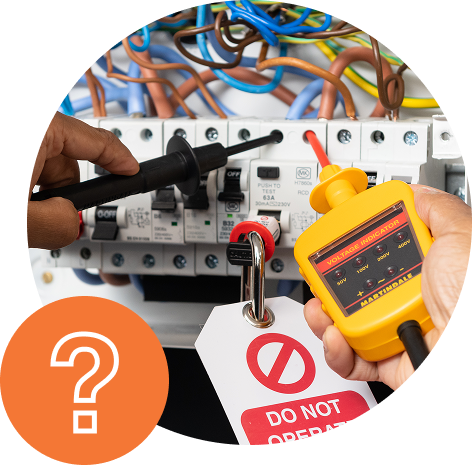
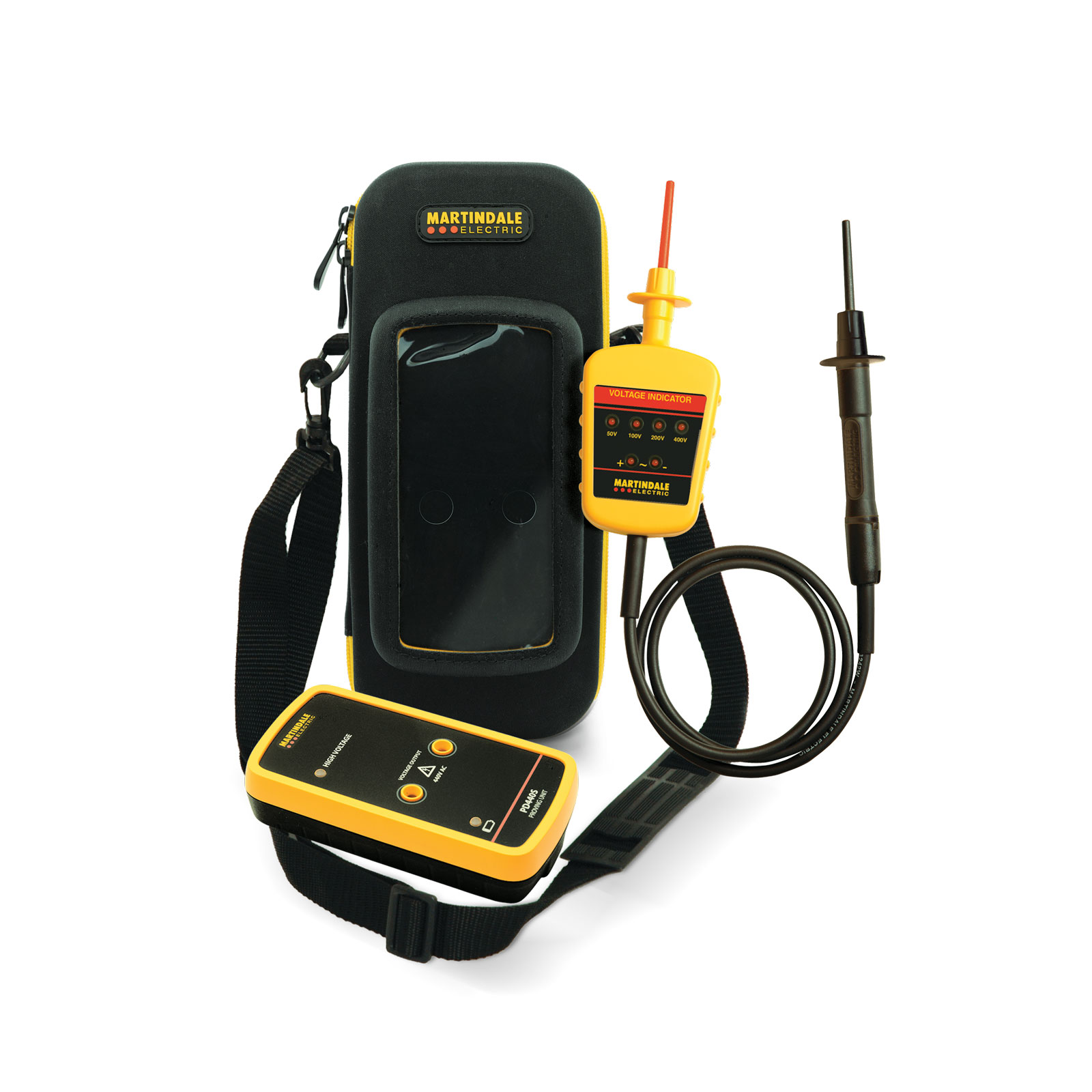
Voltage Indicator (VI)
An approved instrument used to check whether voltage is present before work begins. A voltage indicator should be able to operate without the need for a battery. If a device needs a battery and it’s flat, you cannot prove the circuit is dead.
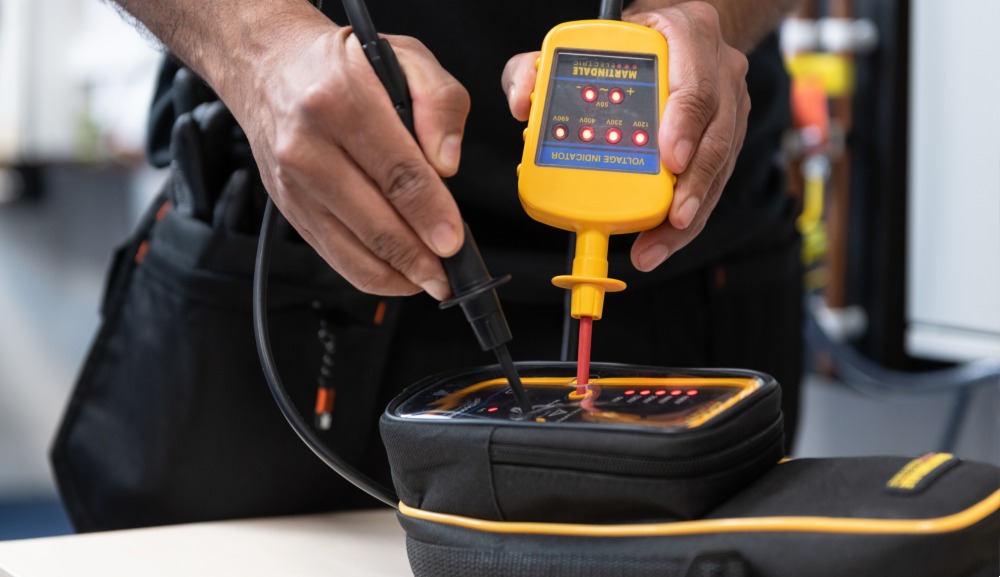
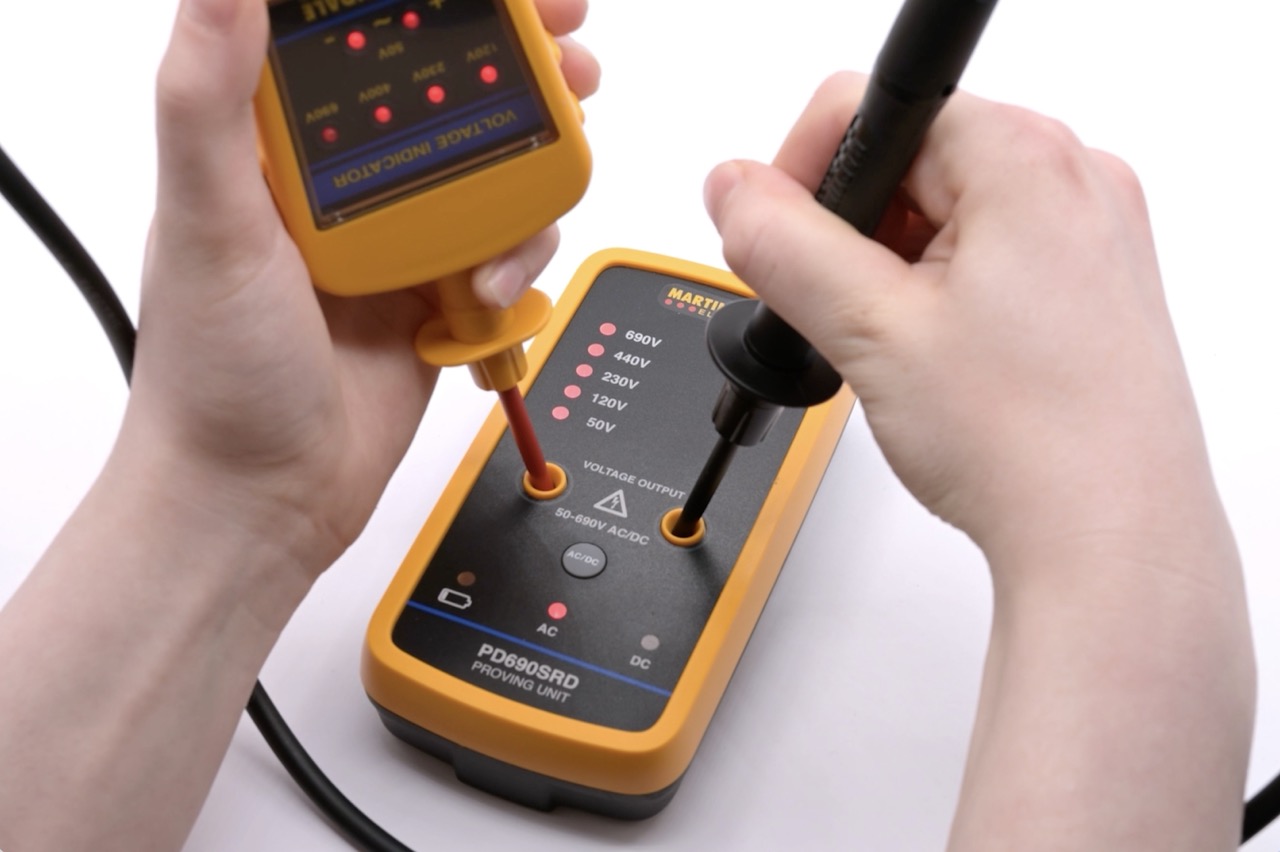
Proving Unit / Proving Device (PD)
A device used to verify that a voltage indicator is functioning correctly, both before and after testing a circuit.
Proving dead
The process of confirming that a circuit or piece of equipment is completely de-energised and safe to work on, using a voltage tester and, typically, a proving unit.

Why safe isolation procedures matter
Safe isolation procedures are essential for maintaining a controlled and secure working environment. They protect workers and others from the risk of electric shock, burns, or other injury while ensuring that electrical systems remain safe during inspection, maintenance, or repair.
Following safe isolation practices helps organisations work safely, comply with UK safety requirements, and reduce the risk of accidents, keeping both people and equipment protected.
Safe isolation is critical for preventing accidental energisation and damage to equipment, helping to avoid costly downtime and hazards on site.

What are the risks of not following a safe isolation procedure correctly?
Failing to follow safe isolation procedures can have serious consequences, putting both people and equipment at risk.
Key hazards include:
- Contact with live conductors
Touching or working with live parts resulting in electric shock, burns, or fatal injury. - Mislabelled circuits
Working on the wrong circuit or a shared neutral can cause unexpected energisation, creating a significant safety hazard. - Incorrect equipment
Best practice for proving dead is to use a dedicated fully compliant voltage indicator and a compatible Proving Unit to eliminate false indication on test equipment. - Arc flash or electrical burns
Even a small live spark can cause serious burns or ignite surrounding materials. - Unexpected start-up of machinery
Energising connected equipment while someone is working can cause physical injury from moving parts. - Fire or equipment damage
Incorrect isolation or accidental energisation can lead to overheating, sparks, or electrical fires.
Understanding these risks reinforces why safe isolation procedures are not optional. Following them ensures that electrical work is carried out safely, reliably, and in compliance with UK safety standards, protecting both people and equipment.
In addition, non-compliance with UK electrical safety regulations, including the Electricity at Work Regulations 1989 (EAWR), can result in HSE enforcement, fines, prosecution, or civil liability.
Safe isolation procedure – Compliance checklist
A practical checklist to help organisations and individuals demonstrate that electrical safe isolation is carried out correctly, consistently, and in line with the Electricity at Work Regulations.
Access free checklistWhat equipment do you need for safe isolation procedures?
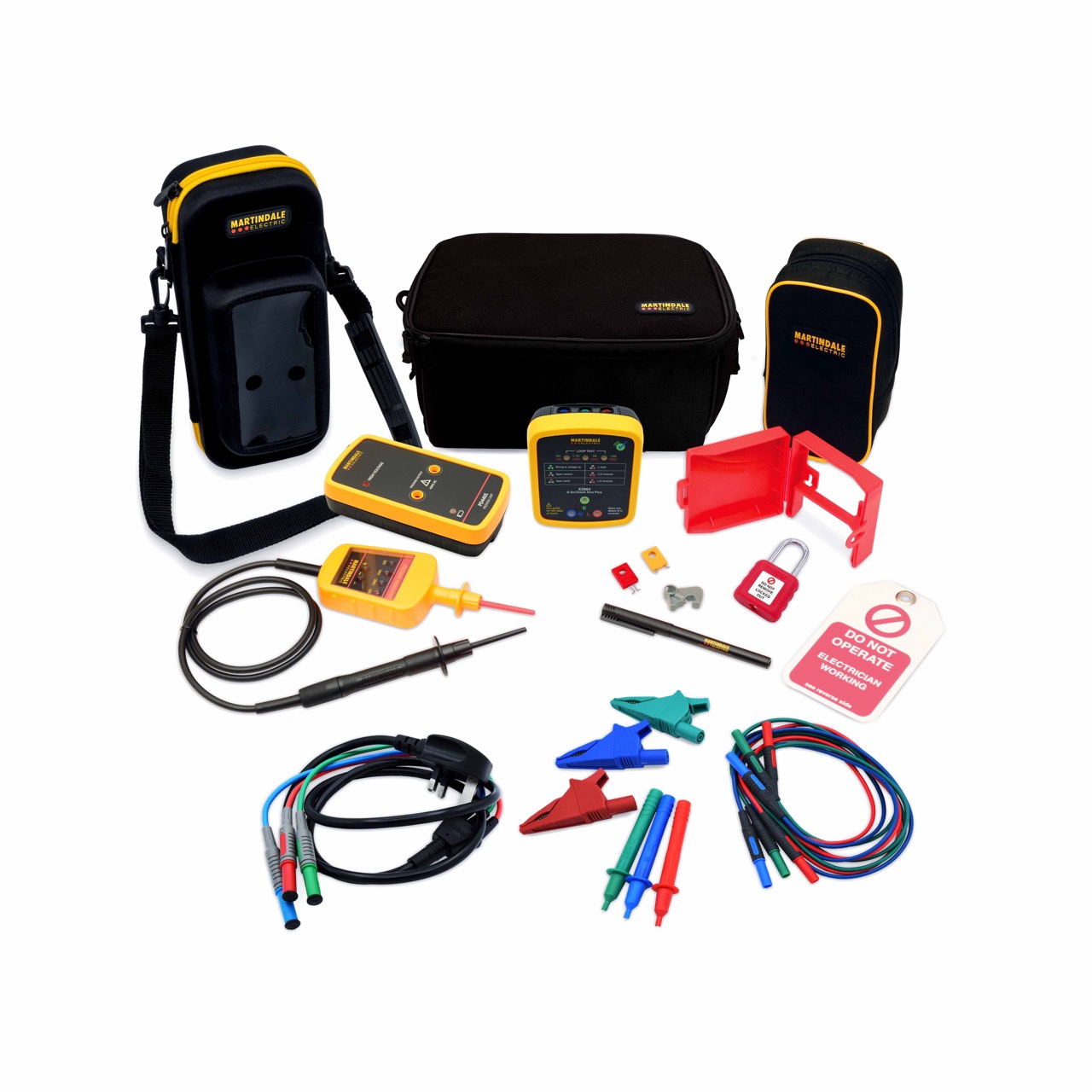
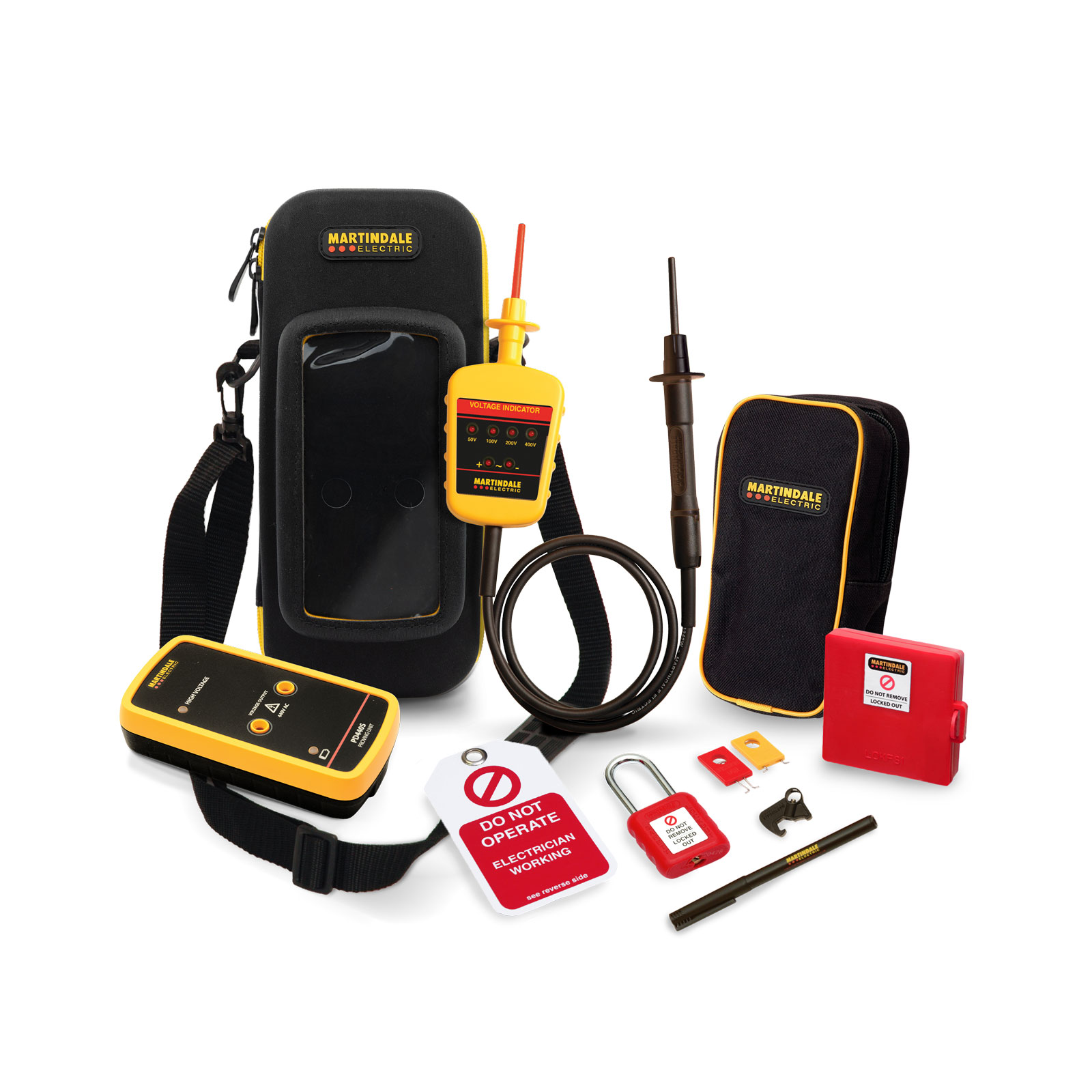
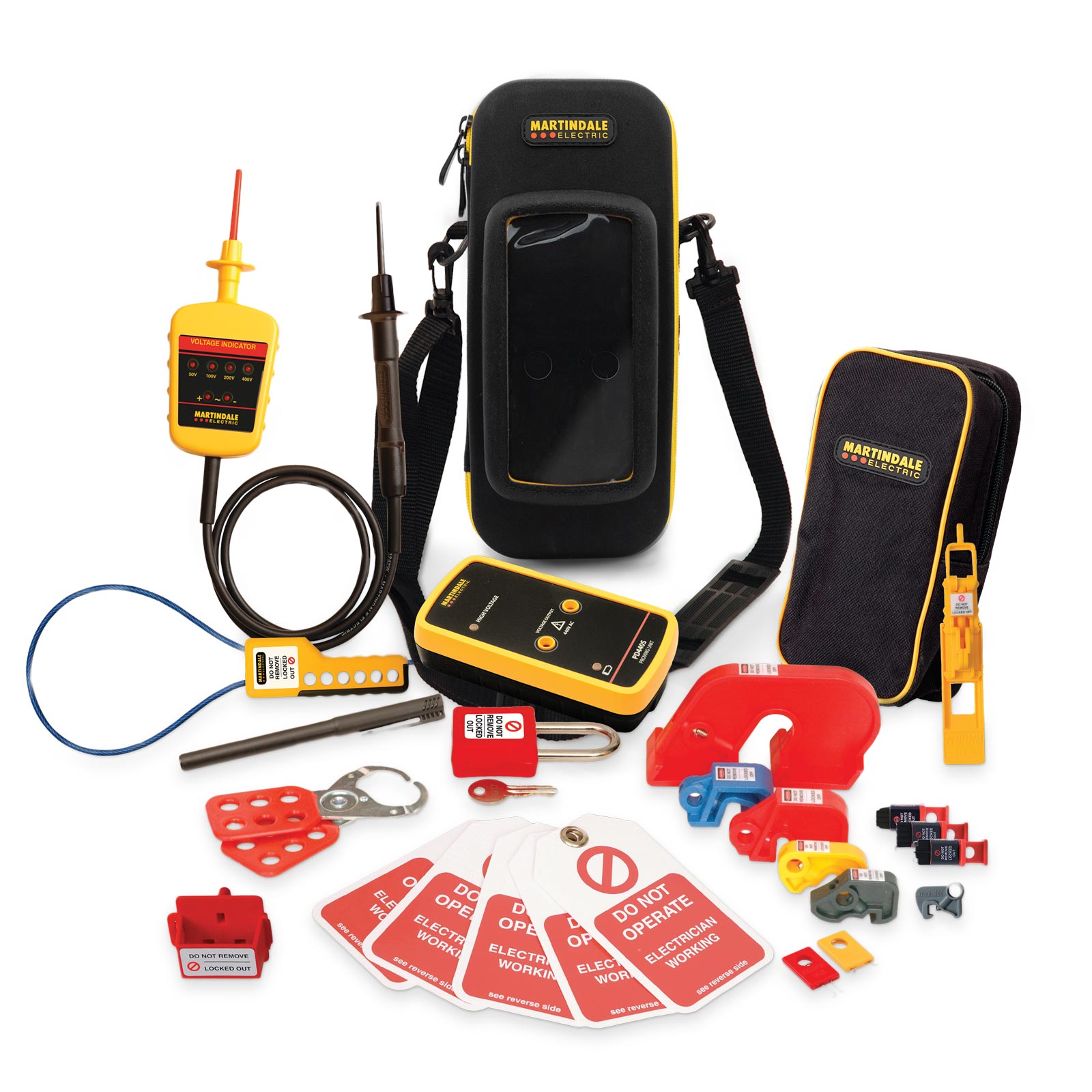
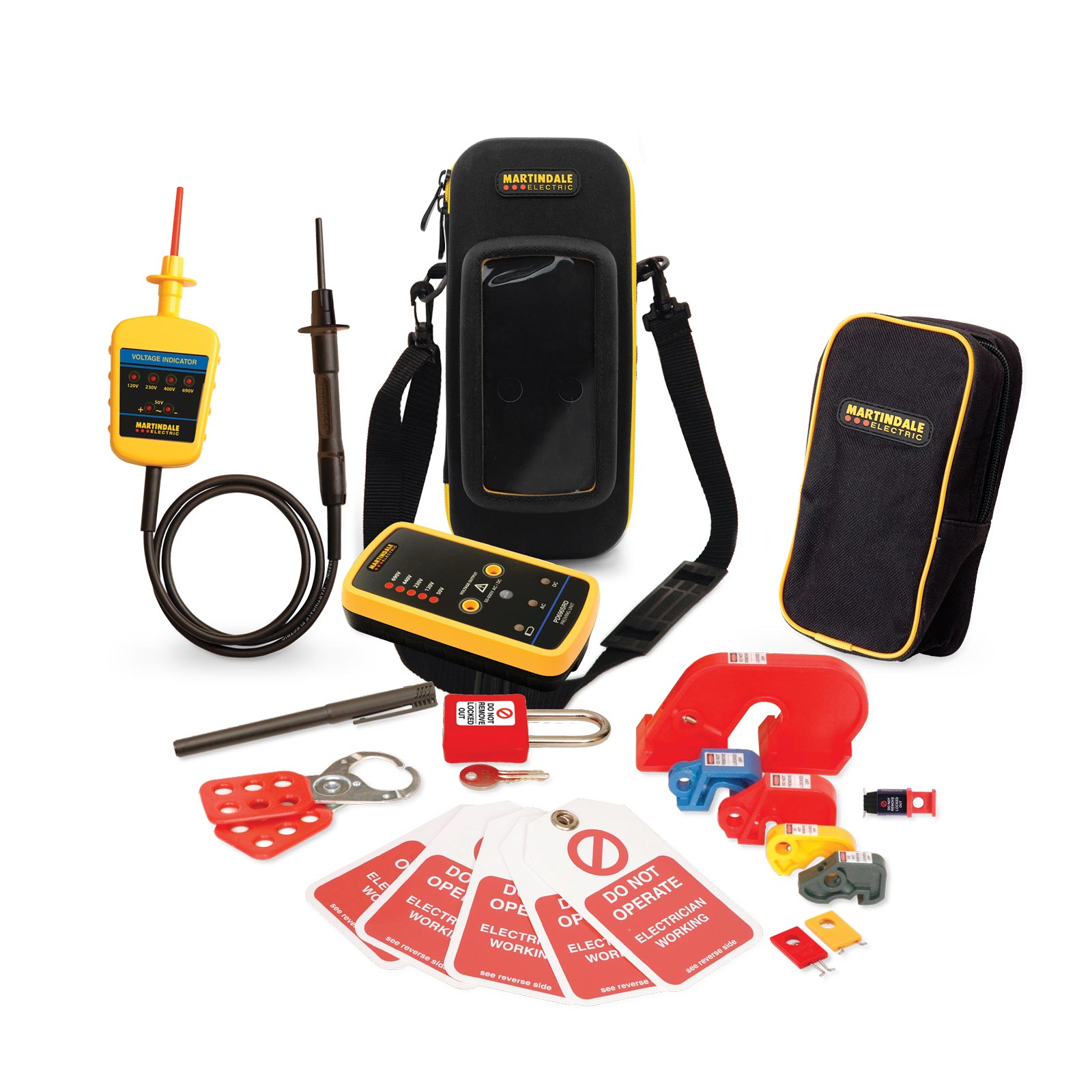
To carry out safe isolation correctly, you need the right tools to isolate, test, lock off, and verify that a circuit is safe to work on. Having the proper equipment ensures the procedure is reliable and helps meet UK electrical safety expectations.
Essential tools for safe isolation
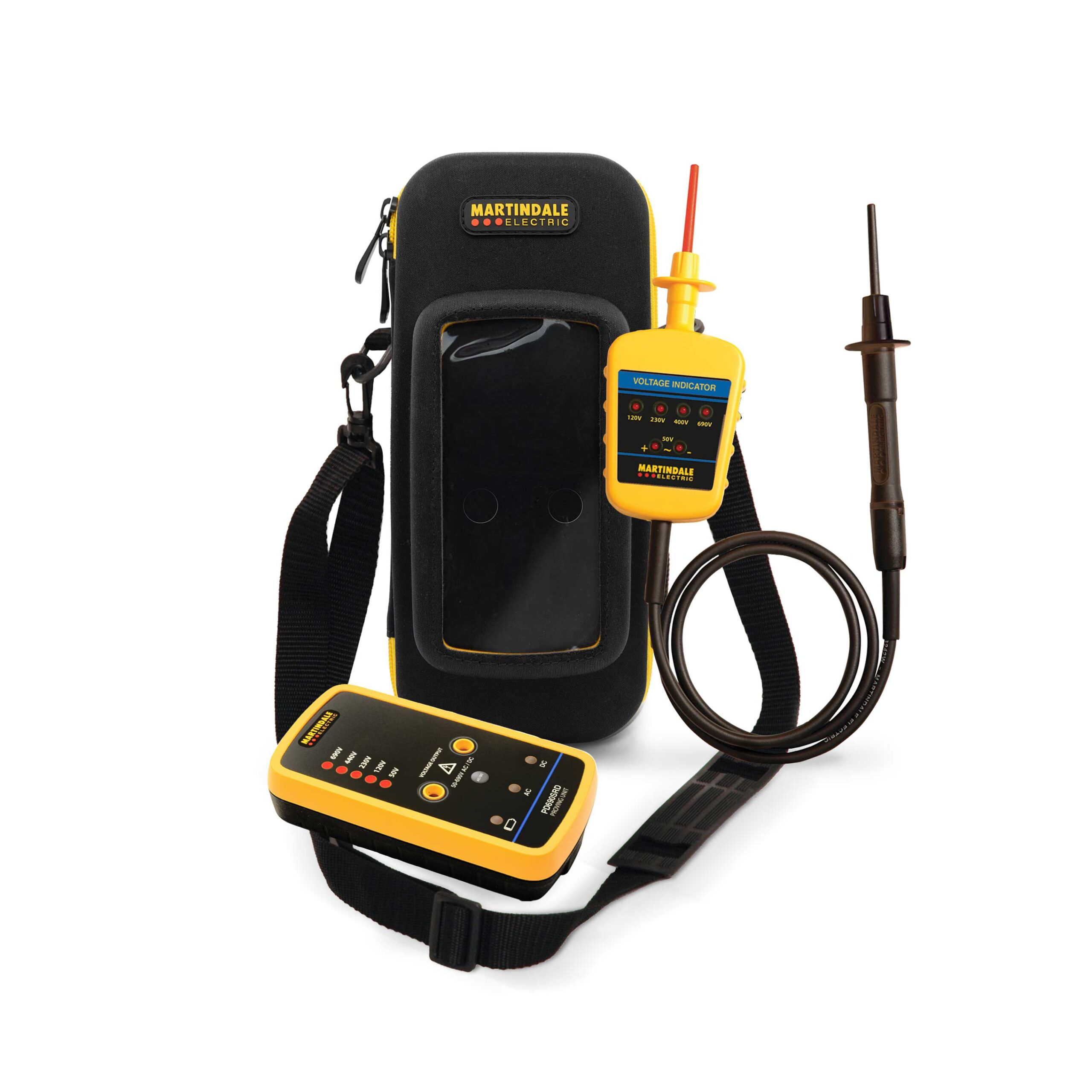
- Fully compliant voltage indicator
Compliant with GS38, EN61243-3 and EN61010. Used to check whether voltage is present in a circuit before work begins, helping to prove that it is dead. - Proving unit
Confirms that the voltage indicator is functioning correctly, both before and after testing a circuit. This should be matched to the voltage indicator. - Lock-off / Lock Out Tag Out (LOTO) devices and labelling
Fitted to MCBs, RCBOs, fuse holders, or main switches, these prevent circuits from being re-energised while work is underway. They should be used together with “Do not operate” tags to provide both physical and visual protection.
Additional equipment considerations
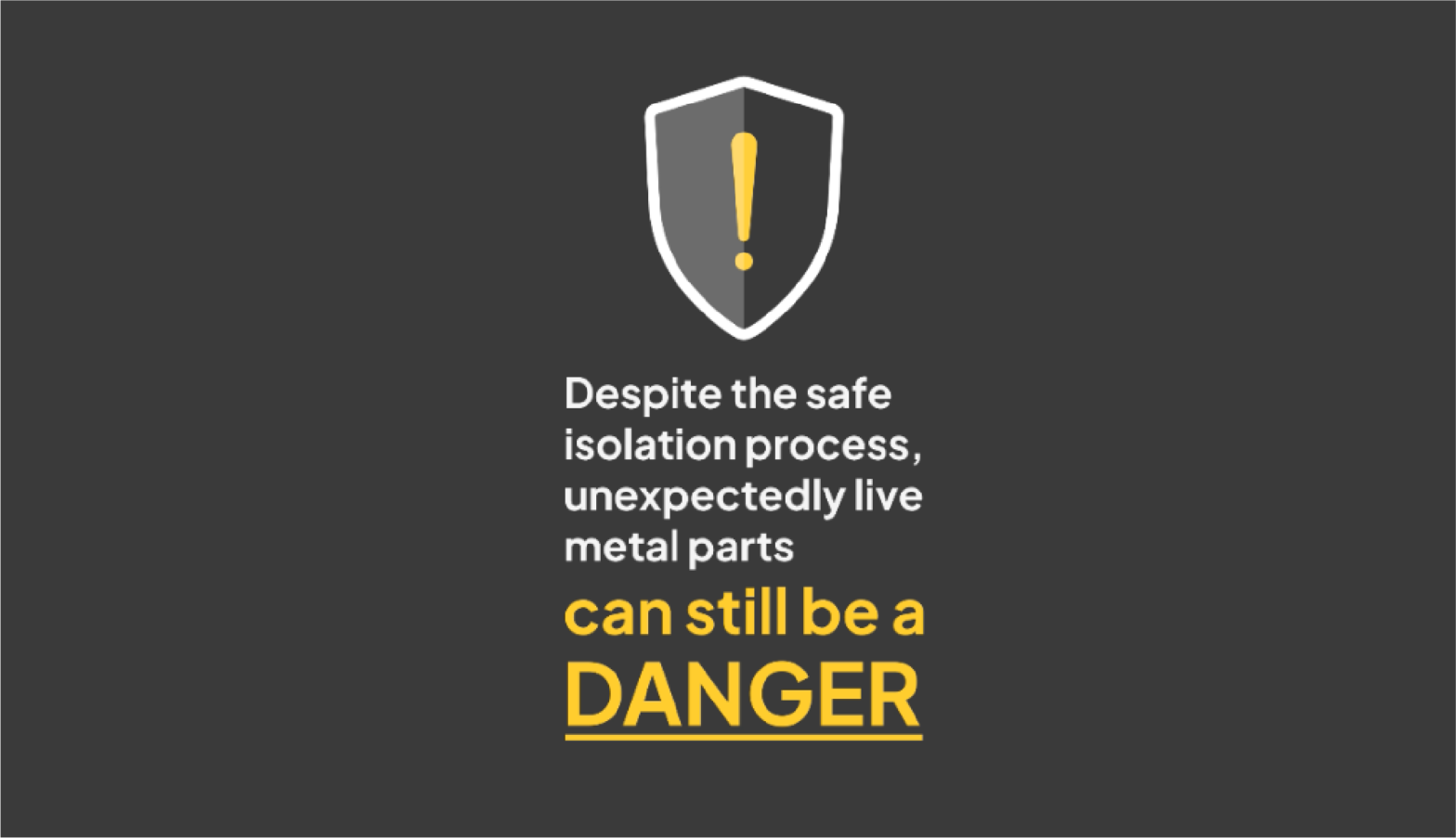
Even with a thorough safe isolation process, other electrical hazards can still exist. Engineers, contractors, electricians, and others may be injured by unexpectedly live metal parts, including equipment or appliance casings, pipework, plumbing, and other types of metalwork that should be earthed.
Beyond standard voltage indicators, proving units, and lock-off devices, certain tools can help identify hazards that standard safe isolation may not detect:
- Single-pole contact voltage indicators
Used for performing a touch test to detect live metalwork that should be earthed. - Standard clamp meter
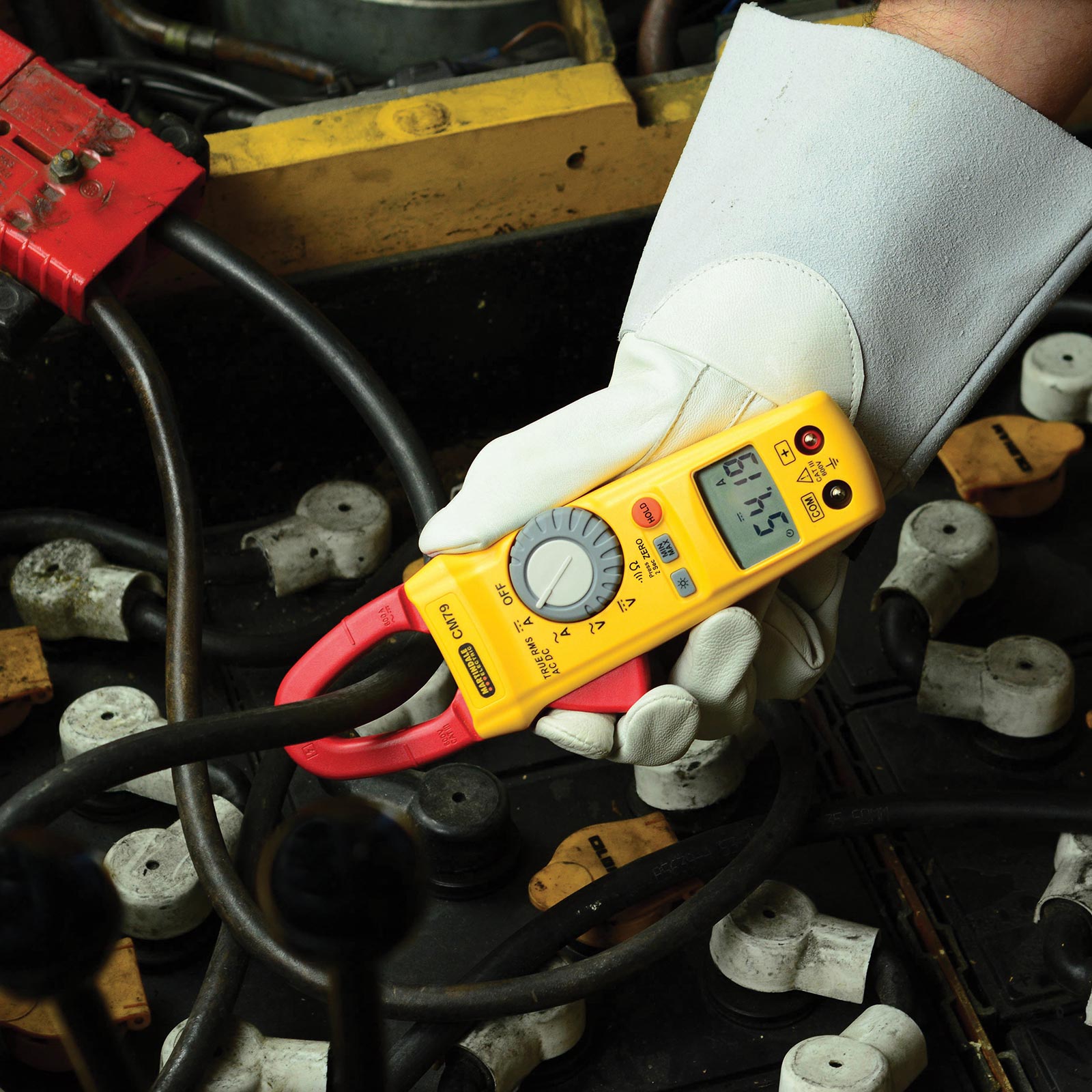
Measures AC/DC current and can help identify diverted current faults, which may make a circuit appear safe even when unsafe currents are present.
Find out more about these other hazards in our “Stop. No Check. No Contact!” campaign.
What are the correct steps in a safe isolation procedure?
Martindale has created a simplified version of the safe isolation procedure in the hope that its memorable acronym – “ALIVE” – will help to prevent injuries and save lives.
Here are the five key steps to a correct, safe isolation procedure:
A - Approved kit
Before starting, make sure your equipment meets all legal safety standards.
Always ensure that the Voltage Indicators (VI) you are using comply with GS38, BS EN61243-3 and BS EN61010-1, such as Martindale’s VI13800 voltage indicator, which has been specifically designed to meet the standards.

L - Lock out, tag out (LOTO)
Identify the point of isolation – lock it off and place warning tags onto the equipment
A basic lock-off kit should include a selection of MCB Lock Off devices, a padlock with a unique key, a hasp if more than one person is working on a system, as well as lock-out tags and warning labels.

I - Initial prove
Test your VI against the proving unit to make sure it is working correctly.
It is recommended to use a dedicated proving unit matched to the VI to fully test that all LEDs on all ranges are working. A proving unit is safer than the mains and provides a live source wherever you are working.

V - Voltage test
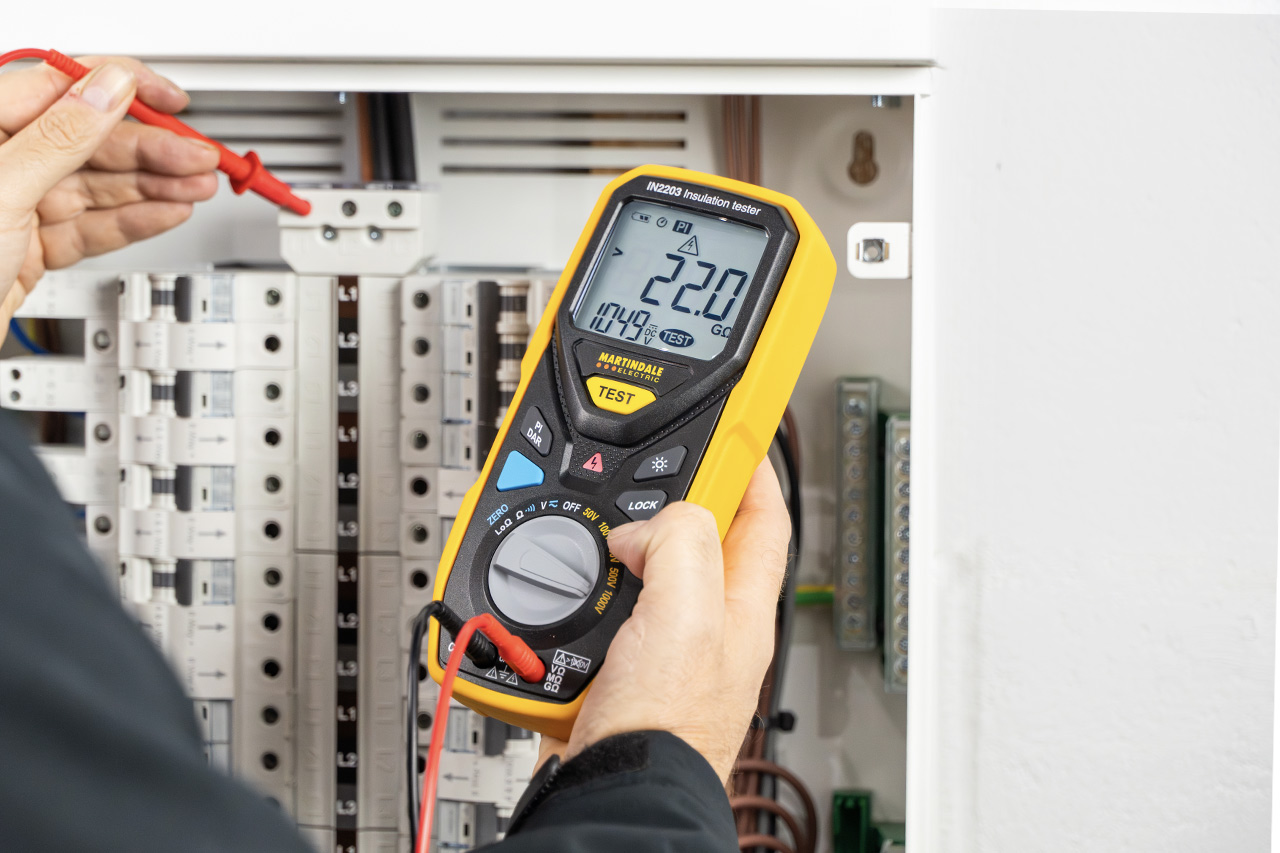
Use your VI to check for dangerous voltage levels.
The next step is to test for dangerous voltages on the circuit to be worked on, whether single or three-phase. Verify that the circuit you intend to work on, is the correct circuit which you have safely isolated.

E - Ensure
Prove the VI against the proving unit again before starting to work on the circuit.
Re-test to ensure your VI is functioning and working correctly to make sure that no damage has occurred, or fault has appeared on your equipment.

Download Martindale’s Safe Isolation procedure flowchart (which will take you through each step of the safe isolation process).
Safe isolation procedures - guidance and regulations
Safe isolation procedures are governed by a combination of UK regulations and best-practice guidance designed to protect workers, the public, and electrical systems.
Key references include:
Electricity at Work Regulations 1989 (EAWR)
The primary UK law requiring employers and employees to take precautions to prevent danger from electricity in the workplace. This is the regulatory requirement, and breaches can lead to fines, prosecution, or civil liability.
HSE guidance – Electrical Safety at Work
Provides practical advice for managing electrical safety and implementing safe working practices, including isolation procedures.
BS 7671 Requirements for Electrical Installations
The UK wiring regulations set out standards for electrical design, installation, and verification, including safe isolation practices.
Electrical Safety First – Best Practice Guide Safe Isolation
Offers practical guidance for engineers and contractors on safe isolation, lock-off, proving dead, and related procedures.
IET Code of Practice for Electrical Safety Management
Guidance on managing electrical safety in workplaces, including procedures for isolation, risk assessment, and maintenance.
HSG85 – Electricity at Work: Safe Working Practices
HSE publication expanding on practical measures for electrical safety and safe working practices.
GS38 Electrical Test Equipment
For use on low-voltage electrical systems.
Following these regulations and guidance ensures that safe isolation procedures are compliant, effective, and aligned with UK best practice, reducing the risk of injury, damage, and legal issues.














Insights, updates, resources –
straight to your inbox
Subscribe to receive technical content, product updates and exciting news from Martindale