





STOP. No Check. No Contact!
Don’t take a chance, check it, it may be live
Don’t take a chance, check it, it may be live.
Essential to any type of electrical working is the ability to safely disconnect the supply from the circuit to allow safe rework, maintenance, or installation to take place. Throughout the electrical industry, safe isolation procedures are in place ensuring that workers on site are not exposed to danger when working on or near live electrical systems.
Safe Isolation
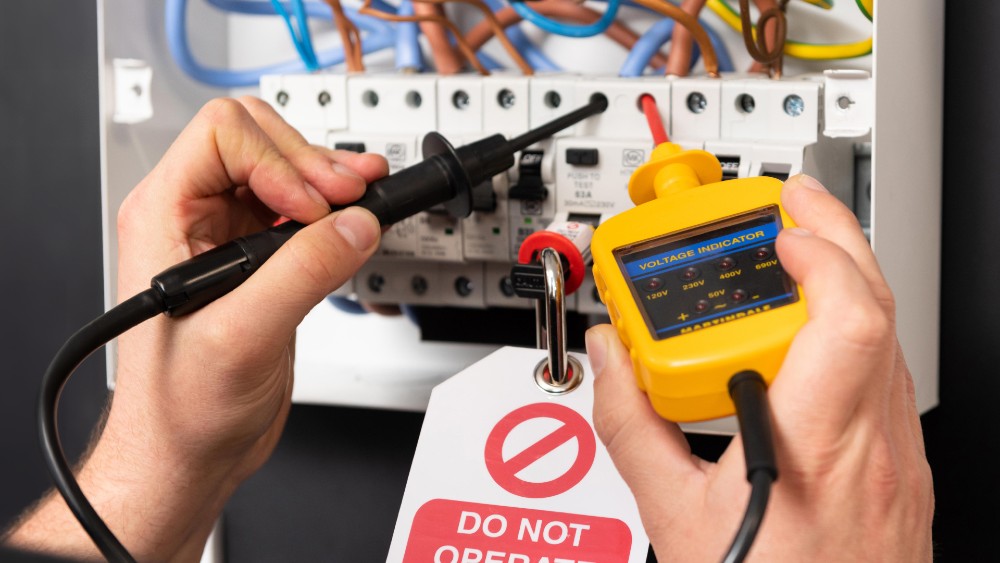
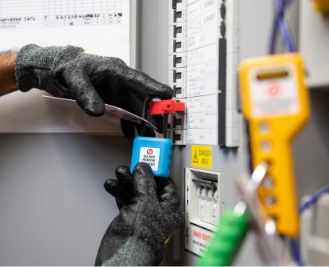
Briefly, this process states that the relevant breaker or switch has to be identified, has been locked off correctly, and warning tag attached – clearly identifying that the circuit has been locked off. Critically, prior to carrying out any work the circuit should be verified dead before proceeding. This process uses a dedicated voltage indicator and a matched proving unit to confirm that the potentially live conductor is dead and verify the indicator is functional both before and after testing.
There has been significant activity from both electrical industry bodies and electrical test equipment suppliers, driving awareness around this subject. Whilst most electricians are fully aware of Safe Isolation, many associated trades working with or around electricity such as Gas Engineers, Air Conditioning Installers and general maintenance teams are now also becoming more alert to this essential safety process.
The Electrical Safety First organisation publication Best Practice Guide 2, generated in association with other industry bodies, is a guidance document that covers the safe isolation procedure and is an extremely useful reference document.
Other Potential Hazards
Despite the rigorous process of safe isolation, other types of electrical hazards can still be present when working on electrical systems. One such issue is the injuries caused to engineers, contractors, and electricians by coming into contact with unexpectedly live metal parts. This includes items such as metal casings on equipment or appliances, pipework, and other types of metalwork which should be earthed. This invisible danger can be present in any workplace situation ranging from simple domestic wiring through to commercial and industrial installations.
PEN Faults
One potential cause of danger, being widely discussed, is the Protective Earth Neutral fault or PEN fault. This is where a break or “open circuit” occurs in a PEN conductor, which serves as both the neutral and protective earth. A broken or faulty PEN conductor can cause dangerous voltages to appear on metalwork, creating an electric shock risk, as well as the potential for fires, and equipment damage. This type of fault can result in Diverted Current flowing through unintended paths, such as the earth, causing dangerous touch voltages to appear on any connected metalwork, potentially leading to serious electric shock for anyone touching it.
PEN Fault Protection
PEN fault protection devices are becoming more prevalent. Fitted to monitor the PEN conductor, these devices disconnect the power supply if a fault is detected. One growing example of their use is in EV chargers where the vehicle metallic chassis is connected to the protective earth during the charging process. Should a PEN fault occur, the result could cause vehicle’s bodywork to become live. To negate this issue and to meet UK regulations, electric vehicle chargers connected to PME networks must have PEN fault protection devices to detect this condition and automatically disconnect the power to prevent electric shock.
Additional safety checks
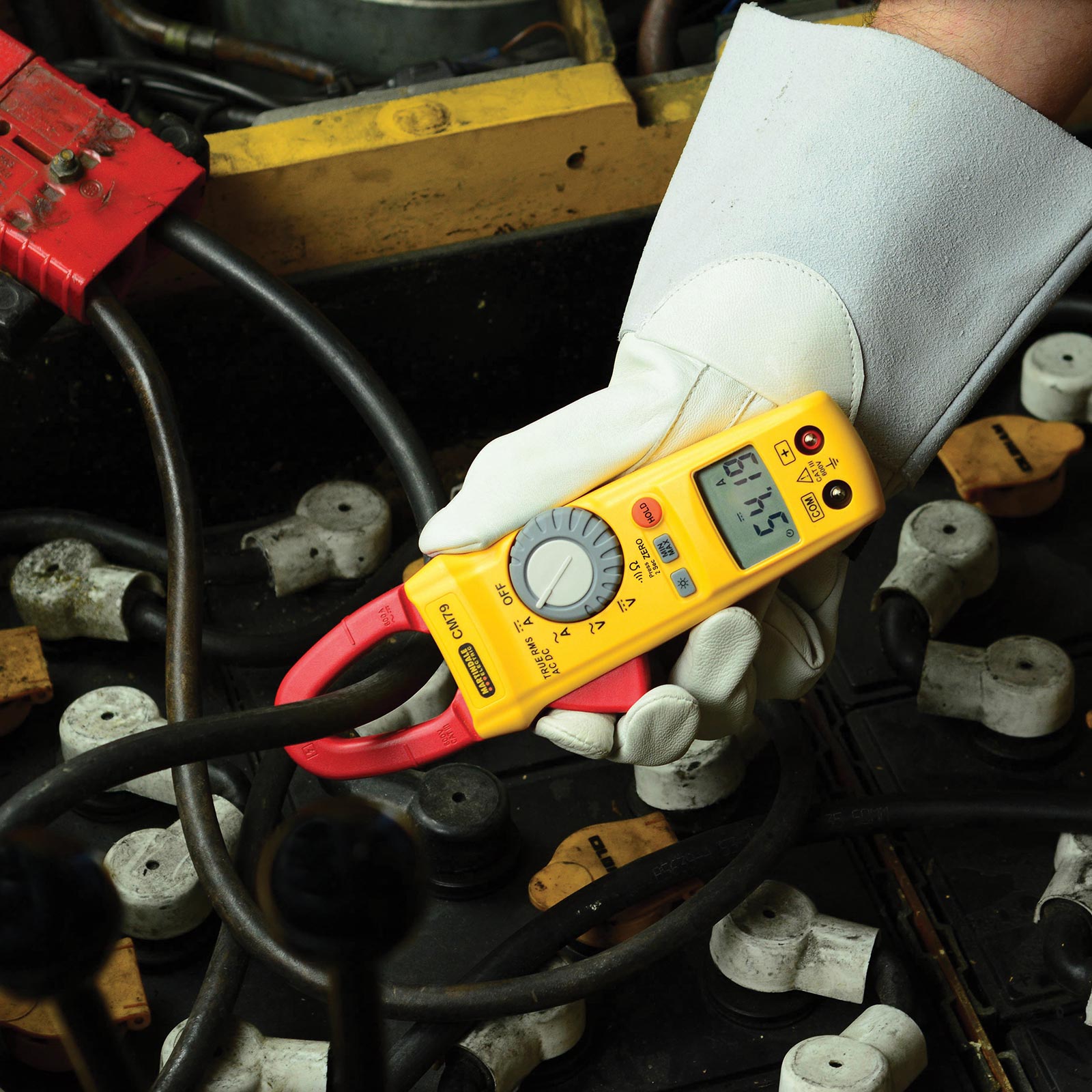
Though widely discussed, the PEN issue is only one of many types of faults which could result in live metal parts. Measurement of Neutral / Earth current using a suitable current clamp such as the Martindale ET4 or ET5 can help identify potential diverted currents flowing through unintended paths.
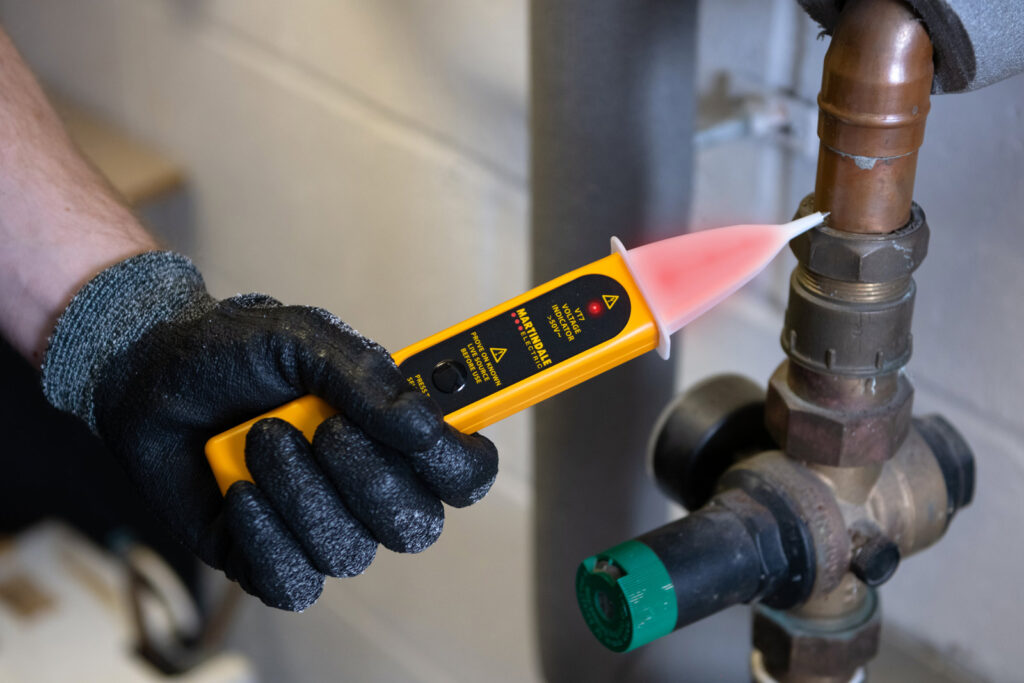
For potentially live metallic items, performing a touch test is essential. Two types of tester are often used for this task, either a single pole contact or a non-contact voltage indicator.
- Single pole contact indicators such as the Martindale VT7, can be incorporated into touch test safety procedures. However, this class of tester should be thoroughly checked to be functional before each use. Correct use should be included in relevant safety training.
- Non-contact voltage testers, such as the Martindale NC2, are often used for this application however, extreme caution must be taken. These devices require a battery in order to work and are often sensitive to other signals, such as static electricity. Whilst these units can be used to detect live cables, they cannot reliably be used to prove dead.
Standard industry wide safe isolation procedures do not cover checking for live metal parts, however incorporating this into established work processes will minimise risk and help ensure safer working practices.
If the metalwork is not checked for being live don’t touch it: