





Why test sockets?
A socket tester is used to test whether a wall socket is correctly wired and also check for common faults such as no earth connection and short circuits.
Sockets are the most common source of electrical power in homes and commercial buildings. However, it is not uncommon to find sockets damaged, broken or inadequately wired.
Suitable for use as a first line indicator to identify potentially unsafe installations and wiring faults.
For use prior to carrying out work on existing installations or connecting new appliances, or to identify socket outlets which may require a more detailed inspection as part of periodic inspection and testing.
Socket testers offer a fast and effective solution.

Choosing the right socket tester
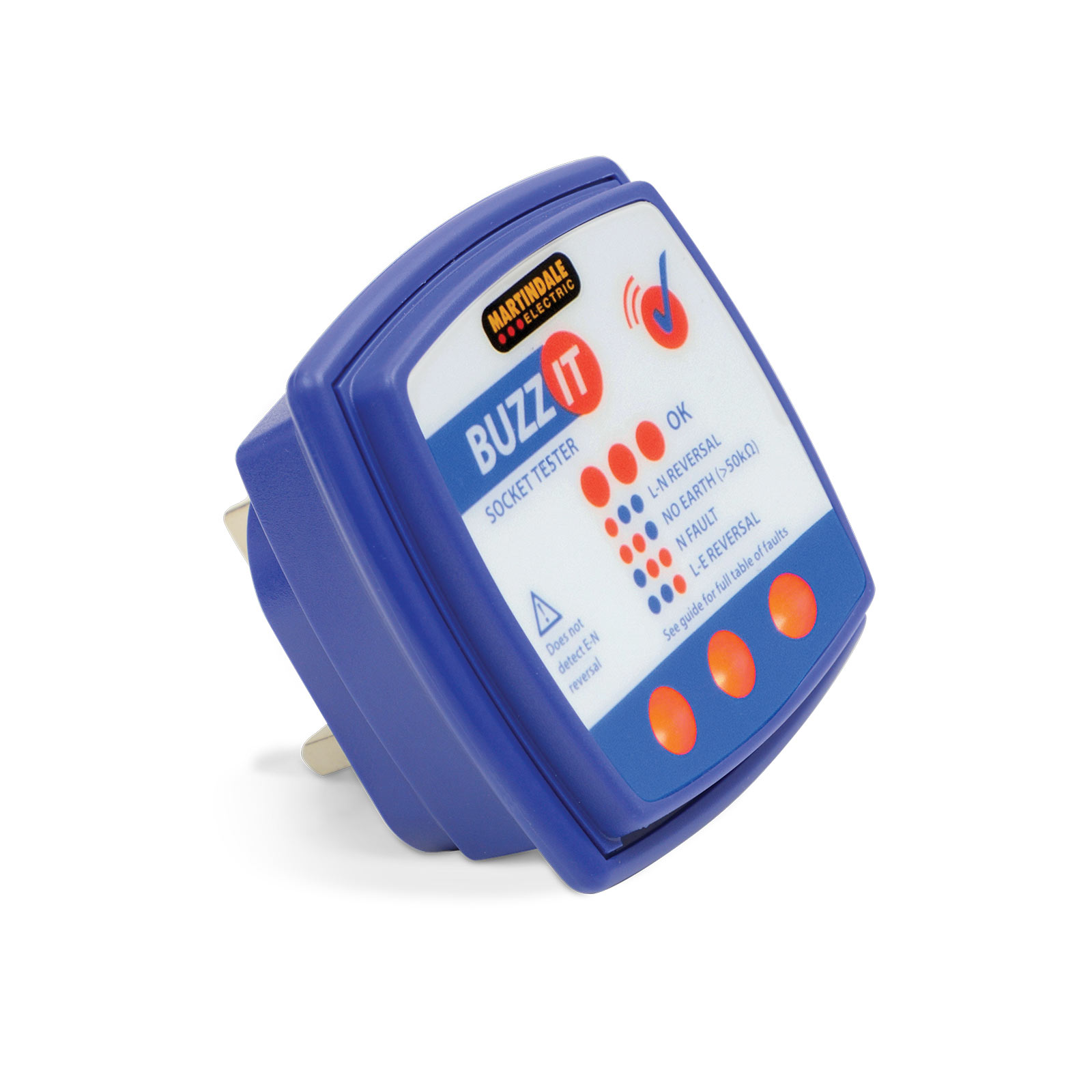
The CP501 Check Plug and BZ101 Buzz-It are the UK’s favourite socket testers designed for easy verification of wall socket wiring.

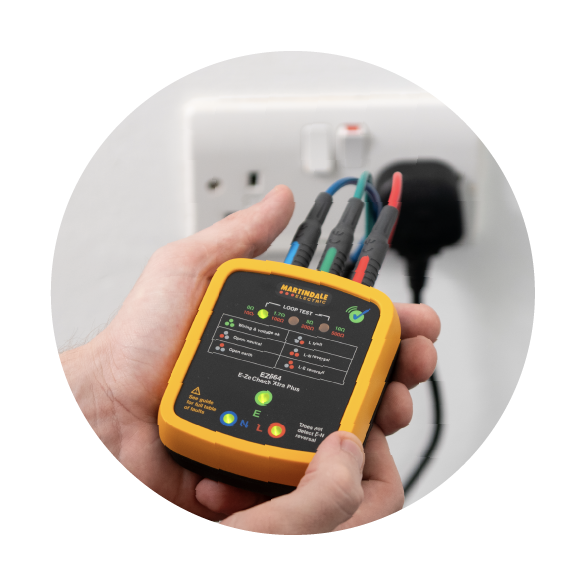
EZ664
The EZ664 advanced socket tester not only detects 28 fault conditions and checks the mains voltage level, it also shows how safe the earth wiring is by carrying out a non-trip earth loop test. Connection is made either via a standard 13 amp plug or via flying leads, ideal when testing at light fittings, fused spurs and terminals.

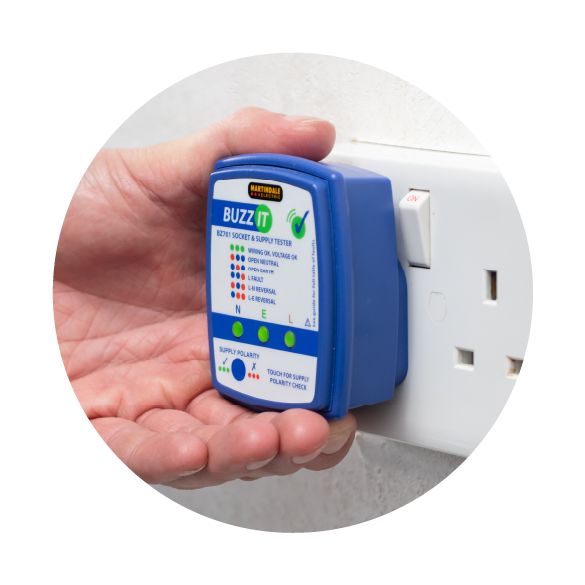
BZ701
Unlike most other socket testers, not only does the Martindale BZ701 detect 28 socket wiring fault conditions and check the mains voltage level, but it also safely detects Line-Neutral reversal (cross polarity) at the incoming supply. The BZ701 offers advanced 13A socket testing capability in a wide variety of domestic, commercial and industrial applications.

EZ165
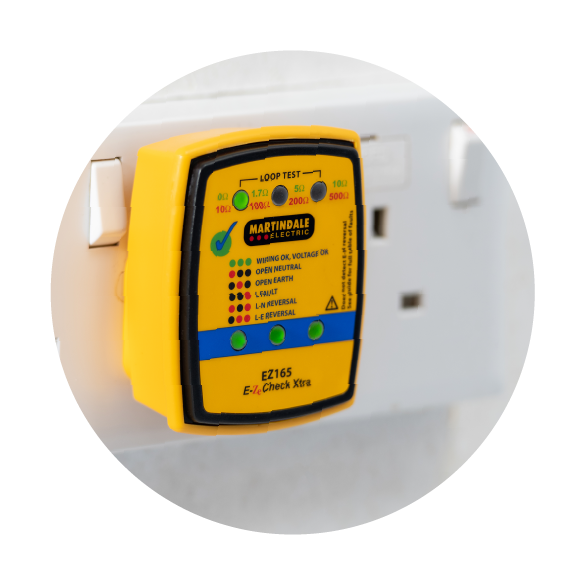
The EZ165 gives quick & easy mains socket polarity and earth testing with the ability to detect 28 fault conditions and check the mains voltage level. It can also show how safe the earth wiring is by carrying out a non-trip earth loop test and indicating its value in 6 discrete ranges. A low earth resistance is essential for safety disconnection devices to work properly and prevent electrocution when faults occur.
EZ365
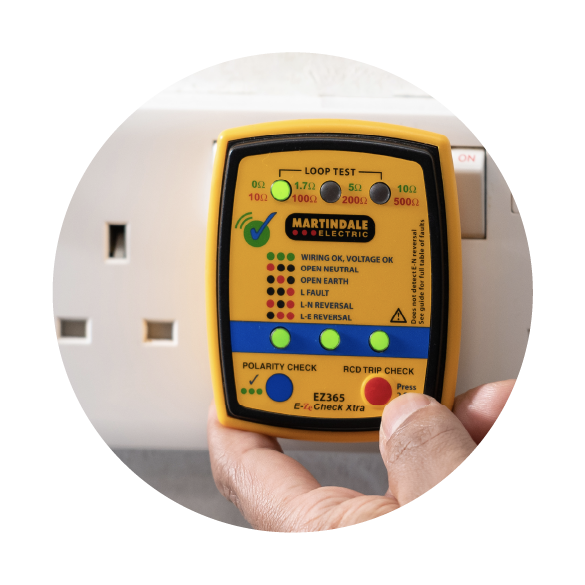
The EZ365 can detect 28 fault conditions, mains voltage level and perform a non-trip earth loop test. It also has the ability to check for L-NE polarity swap at the incoming supply and can be used to trip test 30mA RCDs. The L-NE cross polarity test detects a serious fault condition that cannot be identified by normal socket testers and is easily activated by using the touch pad on the EZ365.

BZ820-EV
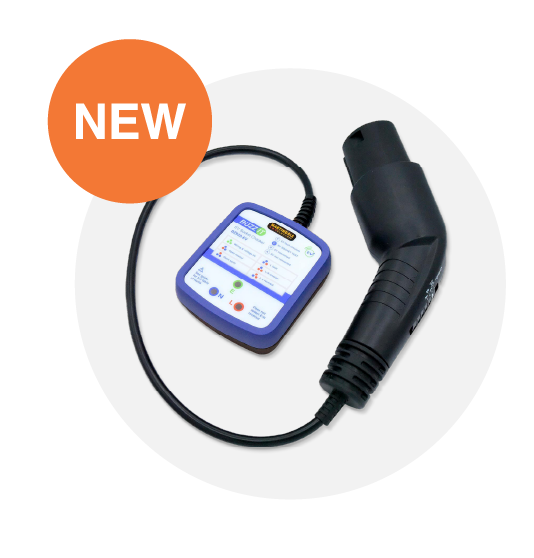
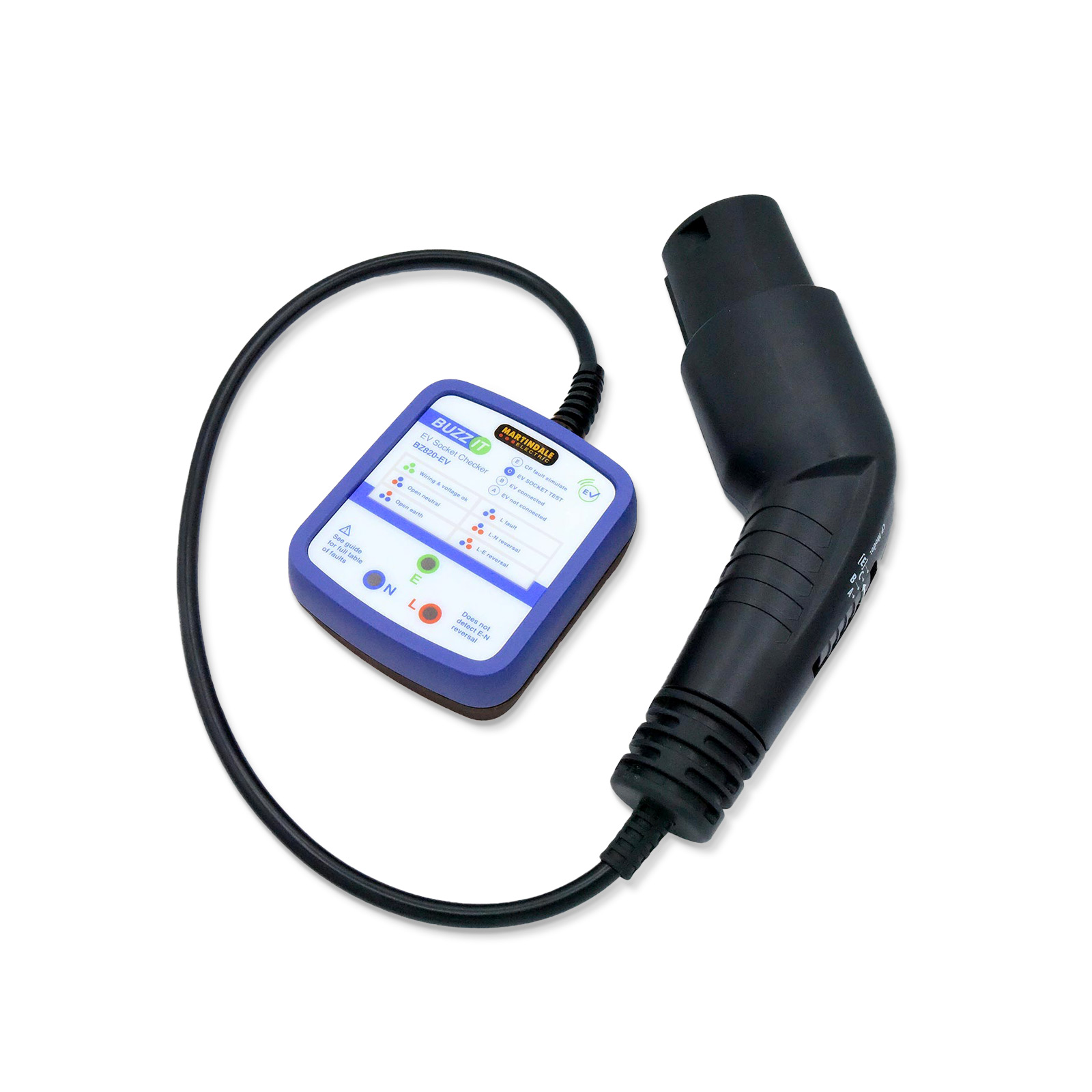
The BZ820-EV is the ideal first-line tool for checking single-phase EV chargers fitted with Type-2 connectors. The unit detects multiple wiring fault conditions and additionally checks the voltage supply level. Correct polarity is indicated by three flashing green LEDs and a continuous audible tone. Fault conditions including socket polarity and earth wiring faults, are clearly indicated by 3 red LEDs and a warning buzzer.
Advanced socket testers
| EZ165 | EZ365 | EZ664 | |
|---|---|---|---|
| Indicates a functional socket |

|
|
|
| Detect line neutral reversal |
|
|
|
| Detects presence of earth |
|
|
|
| Display range of earth loop impedance |
|
|
|
| High / low voltage inidcation |
|
|
|
| Polarity swap touch test |
|
||
| 30mA RCD trip check |
|
||
| Test lead connection (4mm) |
|
||
| Audiable indication |
|
|
|
| Earth test point (for telecoms test) |
|
Simple
– Indicate functional socket
– Detect line / neutral reversal
– Detect presence of earth
Advanced
– Indicate functional socket
– Detect line / neutral reversal
– Detect presence of earth
– Display range of earth loop impedance values
Professional
– Indicate functional socket
– Detect line / neutral reversal
– Detect presence of earth
– Display the numerical value of earth loop impedance
What do they do?
Our socket testers can accurately indicate up to 28 faults, the most common of which can be interpreted from the quick key on the front of the tester with further details clearly shown on a useful instruction card supplied with all Martindale socket testers.
For more information on advanced and professional socket testers as defined by the Health & Safety Executive, read our article on how to choose the right socket tester for the job.
What don't they do?
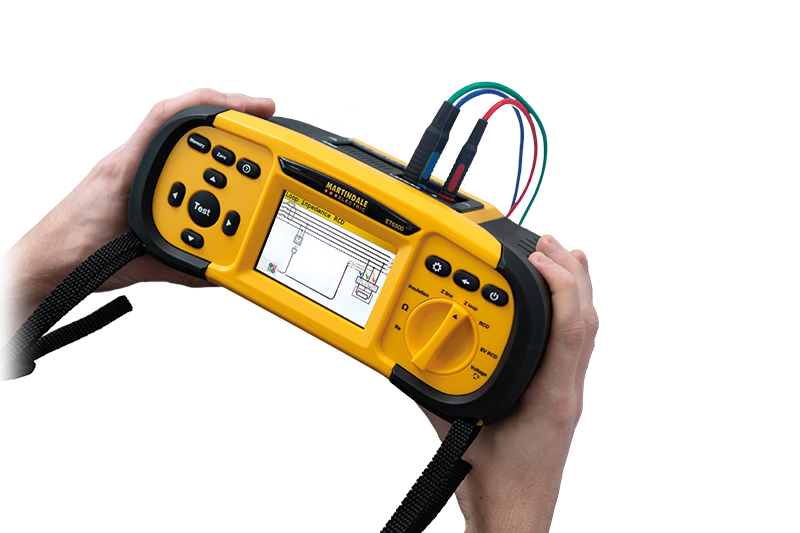
It’s important to recognise that although socket testers can be used for detecting first line fault conditions, they are not an alternative to full verification of wiring installations. For full verification it’s necessary to follow the inspection and testing procedures set out in BS 7671, using a full set of test instruments complying with the relevant parts of BS EN 61557, typically with a multifunction electrical tester such as a Martindale ET4000.
Not sure which model is best for you?
Check out our selection guide to help you choose the ideal tester for your needs.
View our selection guide
Martindale pioneered the Socket Tester, now there are many available.
Try our socket tester quiz, to help decide the best socket tester for you…
Try the quiz




Latest resources and insights

Insights, updates, resources –
straight to your inbox
Subscribe to receive technical content, product updates and exciting news from Martindale