




Isolation for electrical safety: proving dead and live metalwork checks
Essential to any type of electrical working is the ability to safely disconnect the supply from the circuit to allow safe rework, maintenance, or installation to take place. Throughout the electrical industry, there is a significant focus on raising awareness of safe isolation procedures which help to ensure that workers on site are not exposed to danger when working on or near live electrical systems.
Safe isolation
Failure to isolate correctly has led to serious injuries and fatalities. Ensuring equipment and circuits are safely de-energised protects both personnel and assets. A structured isolation procedure significantly reduces workplace electrical risks.
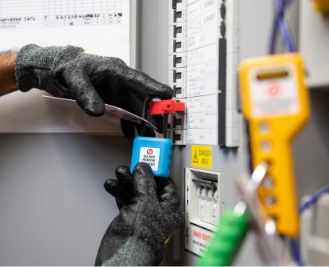
When isolating, the switch or disconnecting device must be locked in the off position. The lock should always remain under the control of the worker performing the task. If more than one person is working on the circuit the use of a hasp with multiple locks can help prevent accidental re-energisation. Padlocks must be unique to ensure no one else can remove them. Once locked off, a warning tag must identify the circuit as under maintenance.
Locking-off devices are available individually or in application specific kits. A reliable starter kit should include a miniature circuit breaker (MCB) and breaker locks, a padlock with a unique key or combination, a hasp for multiple workers, plus lock-out tags and warning labels. However, locking off alone is insufficient, the circuit must always be proved dead before work begins
How to prove an electrical circuit is dead
Proving dead may appear straightforward, but effective implementation requires discipline and an understanding of the risks. Confidence in the procedure comes from training, adherence to standards, and reliable equipment. Each stage – isolating, locking off, labelling, and proving dead serves as a safeguard for both the worker and others on site.
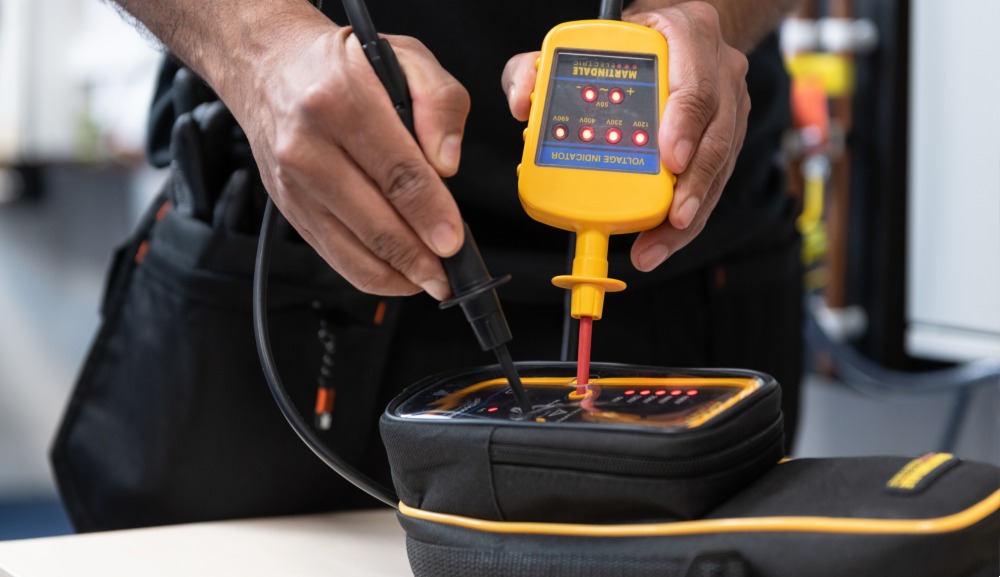
Using the right tools is critical. Though a wide range of test instruments exist, not all are suitable. Proving dead must be carried out with a dedicated voltage indicator compliant with BS EN61243-3. This standard covers voltage detectors for systems up to 1000 V AC.
Circuits are often mislabeled, so assuming a breaker in the ‘off’ position means a circuit is safe could be extremely dangerous. The procedure for proving dead is to take the voltage indicator and check it against a known source, such as a proving unit. Then test the circuit then test the voltage indicator against the known source again to prove the tester has not failed during testing.
Whilst you can use a known live source to test your voltage indicator, a much safer method is using a dedicated proving unit matched to the indicator being used. Using a proving unit is safer than relying on a known live source. Proving units verify all ranges and LEDs on the indicator, reducing the chance of overlooking a faulty component. They are also more convenient, as live sources may not be available nearby.
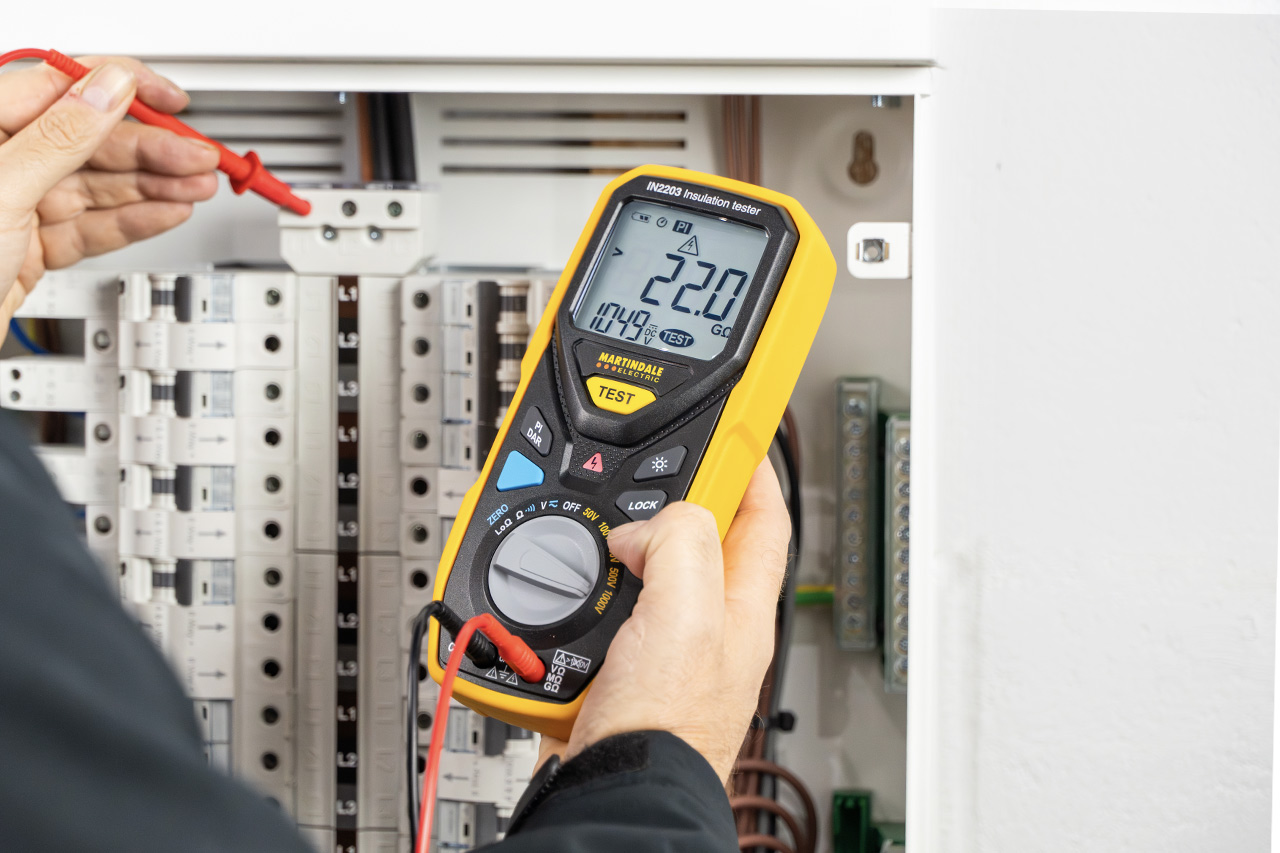
Importantly, the indicating device must not depend on batteries to function; a flat battery could lead to a false “dead” reading. Multimeters and non-contact detectors should not be used to prove dead. Multimeters are prone to operator error, rely on battery power, and can give misleading results. Non-contact detectors are easily influenced by stray signals and cannot easily be verified using a proving unit. While they can detect live cables, they cannot confirm safe isolation.
Safe isolation is therefore a multi-step process: identify the correct circuit, lock it off, apply warnings, and then prove dead with an approved voltage indicator and proving unit.
Other electrical hazards: unexpectedly live metalwork
Despite the rigorous process of safe isolation, other types of electrical hazards can still be present when working on electrical systems. One such issue is the injuries caused to engineers, contractors, and electricians by encountering unexpectedly live metal parts including metal casings on equipment or appliances, pipework, and other types of metalwork which should be earthed. This invisible danger can be present in any workplace situation ranging from simple domestic wiring through to commercial and industrial installations.
There are many types of faults which can cause live metalwork including – incorrect or hazardous wiring, trapped cables and Protective Earth Neutral (PEN) faults. Widely discussed in the industry, the PEN fault is where a break or “open circuit” occurs in a PEN conductor, which serves as both the neutral and protective earth. A broken or faulty PEN conductor can cause dangerous voltages to appear on metalwork, creating an electric shock risk, as well as the potential for fires, and equipment damage.
Additional electrical safety checks for live metalwork
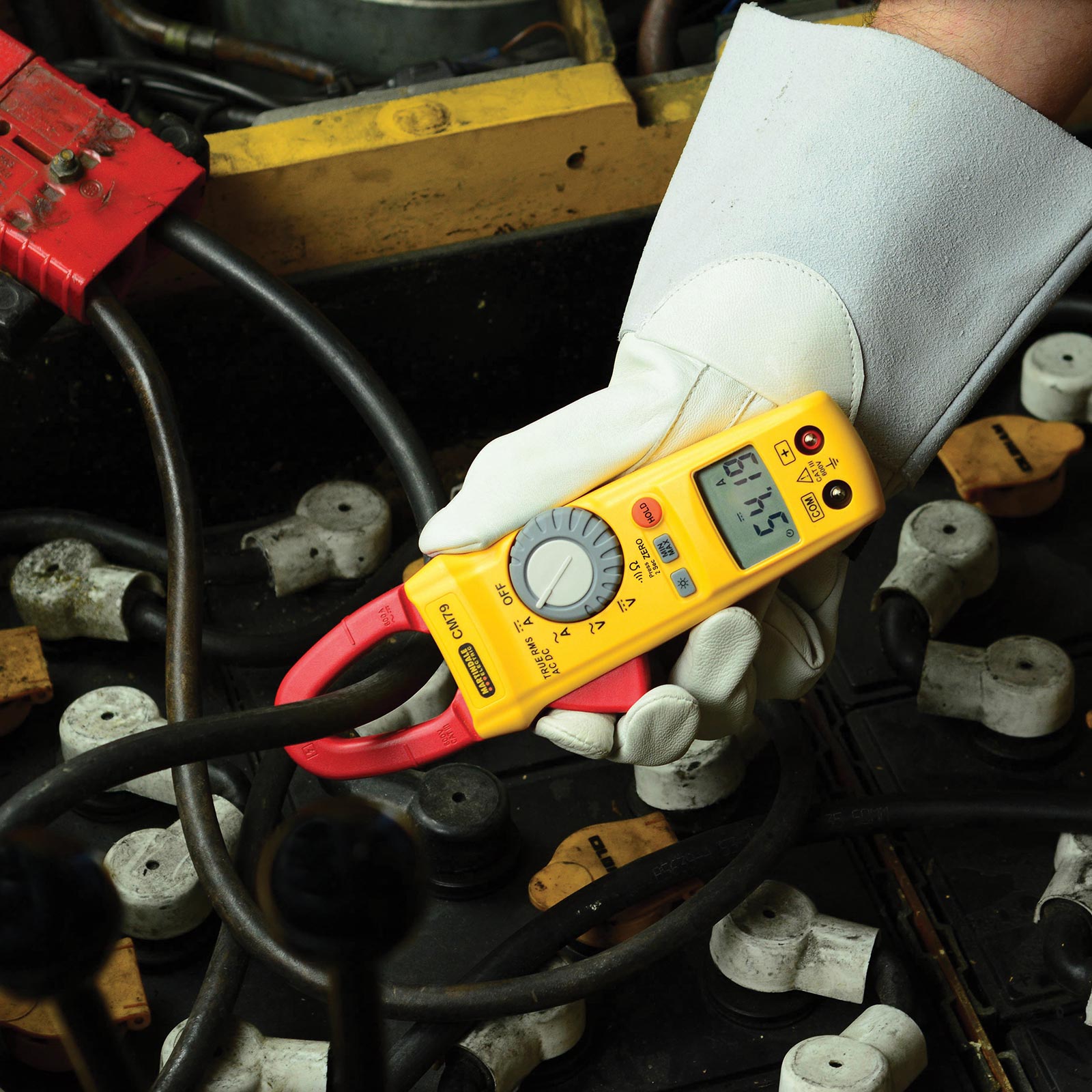
For potentially live metallic items, performing a touch test is essential. Single pole contact indicators such as the Martindale VT7, can be incorporated into touch test safety procedures to help identify potential issues. Measurement of current flowing through the earth using a suitable current clamp such as the Martindale CM79 can help identify potential diverted currents flowing through unintended paths. In both cases any tester being used should be checked to be functional before use, and correct use should be included in relevant safety training.
Standard, industry wide, safe isolation procedures do not cover checking for live metal parts, however incorporating this into established work processes will minimise risk and help ensure safer working practices
Learn more about the dangers of unexpectedly live metal parts, and our STOP. No Check. No Contact! campaign for electrical safety.
Key takeaway – always safety first
Safe isolation is neither complex nor costly but is vital for compliance with the Electricity at Work Regulations and for preventing harm. Locking off devices, using compliant voltage indicators, and proving dead with proving units are central to the process. Being aware of the risks associated with live metalwork is also key.
By embedding these procedures, workplaces can significantly reduce the risk of electrical accidents. Safety must always remain the priority, and safe isolation provides the foundation for protecting both people and infrastructure.