





Electrical safety for Gas Engineers
Why heating and gas engineers must stay safe around electricity
Heating, air conditioning and plumbing contractors and engineers routinely face electrical hazards, often without being fully aware of the risks. Whether installing boilers, renewables technology or simply working close to live circuits, even a minor slip can lead to severe injury. Each year, the Health and Safety Executive (HSE) records multiple electrical incidents among construction trades, including shocks, burns and life-threatening injuries, some of which prove fatal.
Because electricity can be an unseen danger, following a proper safe isolation procedure is essential for anyone working near electrical systems. Effective isolation prevents accidental contact with live parts, protecting both engineers and anyone else nearby, by ensuring all relevant circuits and equipment are fully de-energised before work begins.
Essential lockout kits for safe isolation
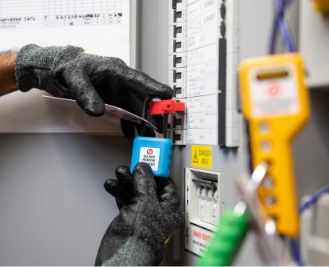
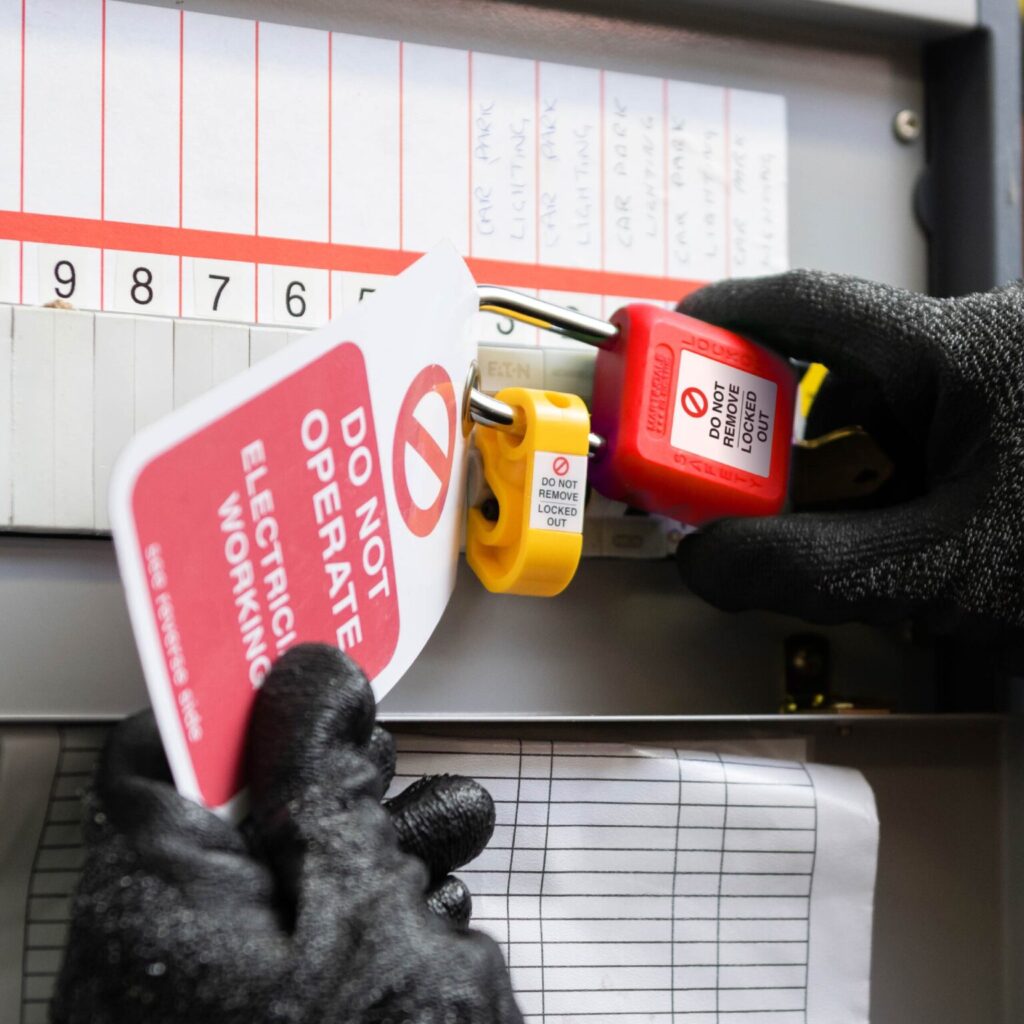
A complete lockout kit is central to carrying out safe isolation correctly. At minimum, it should include a selection of lockout devices for miniature circuit breakers and other breaker types, a padlock with a unique key or combination, a hasp for use when more than one person is working on the same system, and a range of lockout tags and warning labels.
The key or code must stay with the person performing the work or an appointed representative, preventing anyone else from removing the lock and accidentally re-energising the circuit. Once the breaker is locked off, a clear warning tag should be attached to confirm that the circuit is isolated and work is in progress.
How to safely prove a circuit is dead
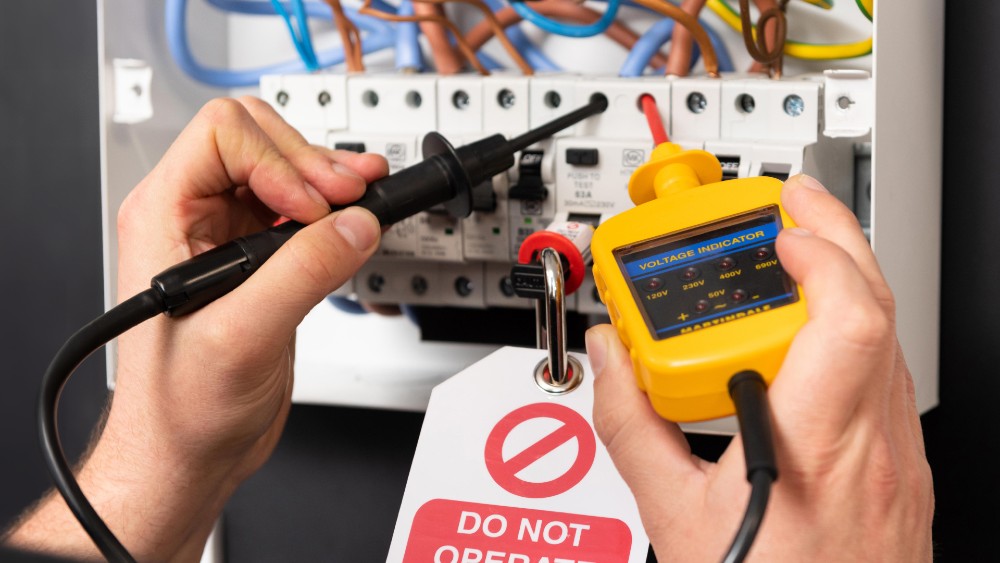
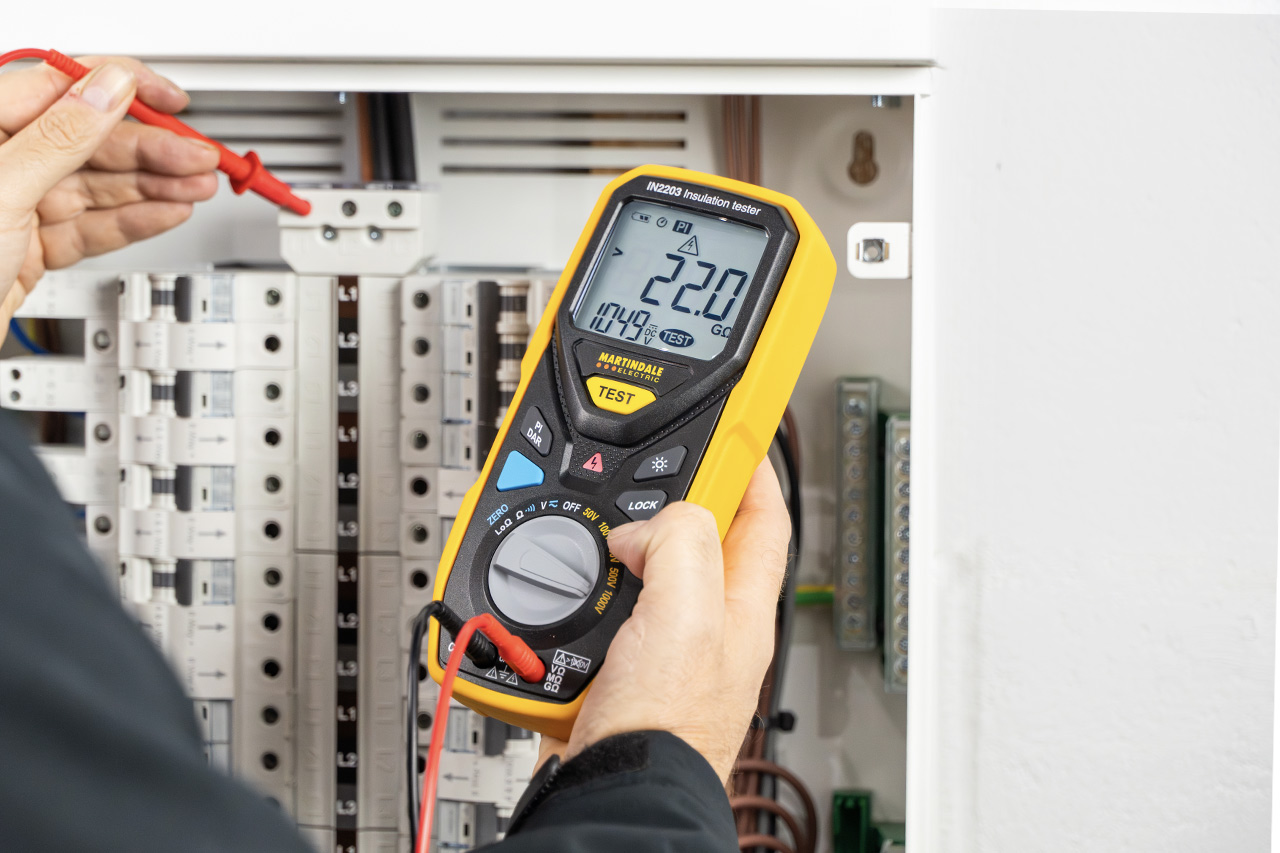
Correctly locking off the circuit is only part of the process. Before any work starts, the circuit must be proven dead using a dedicated voltage indicator compliant with BS EN61243-3, such as the Martindale VI-13800 or VI-15000. Indicators used for proving dead must function without relying on a battery, eliminating the risk of a depleted battery giving a false reading. While some indicators display battery status, the safest approach is to remove battery dependency altogether.
To prove dead, check the voltage indicator on a known source, preferably a proving unit, then test the circuit. After testing, confirm the voltage indicator again on the known source to ensure it has not failed during use. Although a live source could be used, a matched proving unit is safer, more reliable and always accessible.
ALIVE – five failproof steps to safe isolation
Martindale Electric highlights the importance of safe isolation through the acronym “ALIVE,” a simple reminder of the correct procedure:
A – Approved kit
All equipment must meet legal standards; voltage indicators must comply with BS EN61243-3.
L – Lockout Tagout
Identify the isolation point, lock it off and attach warning tags.
I – Initial Prove
Test the voltage indicator against a proving unit before starting checks.
V – Voltage Test
Ensure the circuit you intend to work on is free of dangerous voltage and confirm it is the correct circuit.
E – Ensure
Test the voltage indicator once more on the proving unit before beginning work.
You can find out more information on our Safe Isolation Campaign page
Dedicated electrical safety kits for gas engineers
To help gas engineers working near electrical systems comply with Gas Safe Register Technical Bulletin 118 (TB118), Martindale Electric offers two dedicated safety kits.
- The TB118KITA includes the LOKKITGAS1 set of four key locking-off devices, the VI-13800 voltage indicator and the PD440S proving unit for safe, straightforward proving dead.
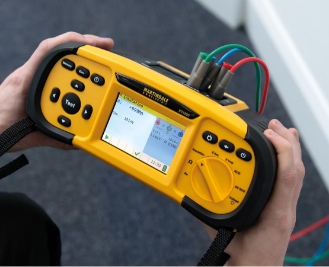
- The TB118KITB contains all items from the A kit, plus the EZ664 socket tester, which can be connected to standard 13-amp sockets or used with flying leads for checking fused spurs, terminals and light fittings. It can also measure earth loop impedance without tripping any residual current device rated at 30mA or above. These kits support engineers working where both safe isolation and earth loop verification are essential.
In a sector where electrical risks are often underestimated, strict adherence to safe working practices is vital. Using appropriate isolation procedures, the correct equipment and reliable verification methods dramatically reduces the likelihood of serious accidents, helping create a safer environment for everyone involved.
Read our article How to comply with Gas Safe TB118a
Key Takeways
- Following strict electrical safety practices dramatically reduces the risk of serious injury or fatal accidents..
- Gas, heating, and plumbing engineers face frequent but often underestimated electrical hazards.
- Safe isolation is critical: circuits must be locked off and proven dead before work begins.
- A complete lockout kit and reliable voltage indicators are essential safety tools.
- The ALIVE procedure (Approved kit, Lockout, Initial prove, Voltage test, Ensure) provides a simple, memorable and effective step-by-step safe isolation procedure
- Specialised kits (TB118KITA and TB118KITB) help gas engineers meet regulatory standards and work safely around electricity.