




Is PAT testing the same as EET testing?
Portable Appliance Testing (PAT) is widely recognised as a standard procedure for ensuring safety of electrical equipment. However, the same process is also referred to as Electrical Equipment Testing (EET). Although the terminology has evolved, the underlying procedure has not changed.
PAT testing and Electrical Equipment Testing describe the same process, with the only difference being in wording. PAT remains the most commonly used term across the industry, but the updated terminology better reflects the full scope of equipment covered.
What is PAT testing (Portable Appliance Testing)?
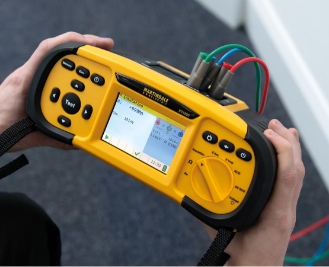
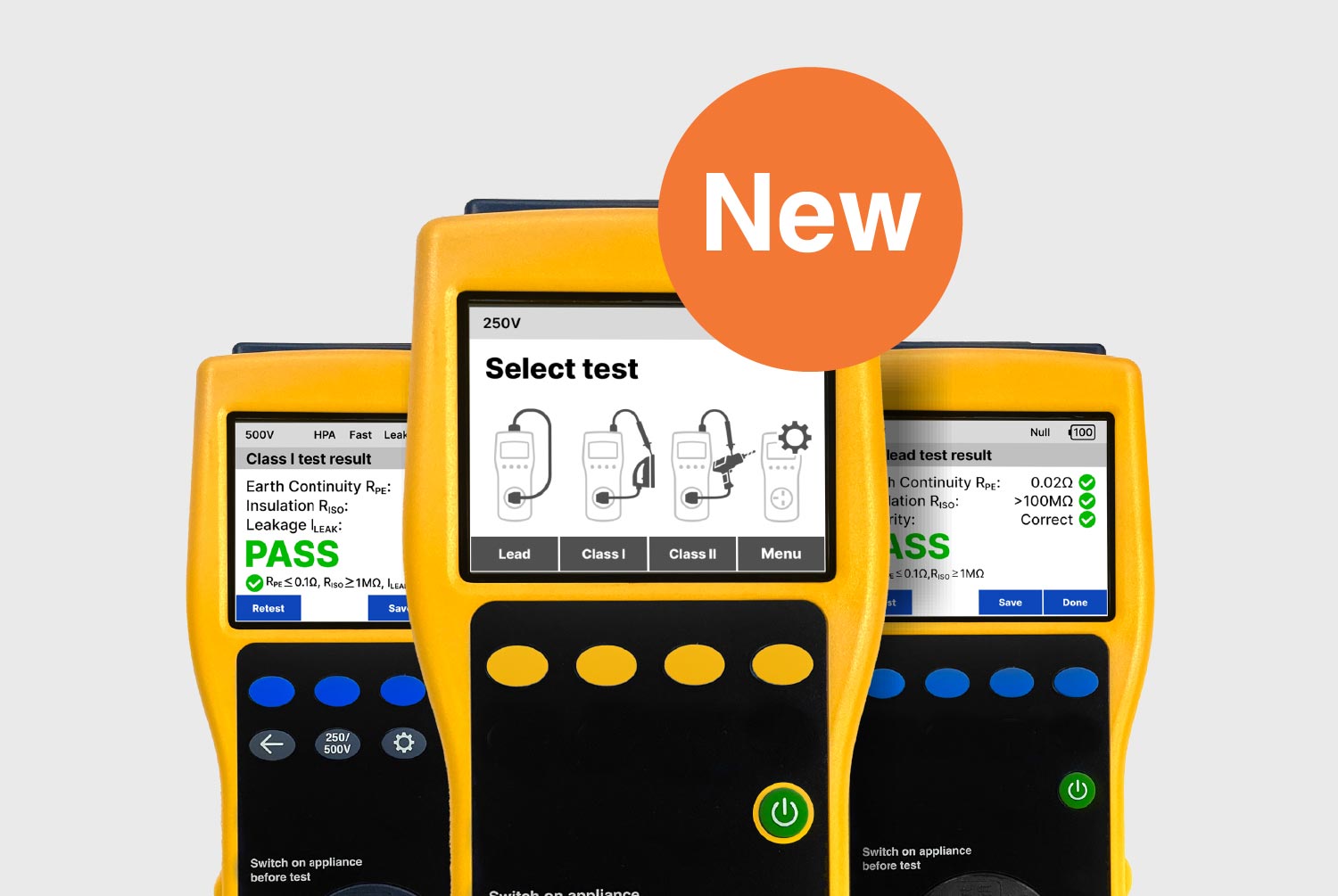
Portable Appliance Testing is a structured inspection and testing process designed to verify that electrical equipment is safe to use. It involves two key stages: visual inspection and instrument-based tests. The visual stage checks for physical damage, wear, or hazards such as cracked plugs or scorched sockets. Specialist instruments, namely Portable Appliance Testers (PAT) are then used to confirm the electrical safety of the equipment.
PAT testing vs Electrical Equipment Testing (EET)
In September 2020, the fifth edition of the IET Code of Practice for In-Service Inspection and Testing of Electrical Equipment introduced updated terminology. The recommended term is now Electrical Equipment Testing. The change was driven by the limitations of the word “portable,” which led some to mistakenly assume that only small, movable appliances required testing. In reality, any equipment connected to the mains supply, whether portable, fixed, or integrated, falls within the scope of the inspection and testing process.
By adopting Electrical Equipment Testing, the industry emphasises that a wide range of devices require assessment, from laptops, chargers, and kettles to refrigerators, vending machines, and industrial machinery. Since the update, EET has gradually gained recognition, though PAT testing remains the more familiar phrase within the industry and training programmes. Regardless of whether it is referred to as PAT or EET, the process remains the same.
What equipment requires PAT or Electrical Equipment Testing?
Electrical Equipment Testing applies to portable appliances such as kettles, laptops, and extension leads, as well as fixed or stationary equipment including refrigerators, dishwashers, and vending machines. Integrated or built-in equipment is also included if it operates from the mains supply. Some exemptions apply: battery-operated devices are excluded from testing, although their mains chargers are subject to inspection.
Is PAT testing a legal requirement in the UK?
Neither PAT nor EET testing is mandated by law. However, employers are legally obligated to ensure electrical equipment is safe. Conducting regular EET inspections provides a recognised means of demonstrating compliance with the Electricity at Work Regulations 1989 and the Health and Safety at Work Act 1974.
The frequency of testing depends on the type of equipment, how it is used, and the environment in which it operates. High-risk workplaces such as construction sites require more frequent inspections than lower-risk environments like offices. The Health and Safety Executive (HSE) offers detailed guidance on setting appropriate intervals.
PAT testing vs EET: key takeaways
Portable Appliance Testing (PAT) and Electrical Equipment Testing (EET) are fundamentally the same procedure, with the updated terminology highlighting the broader scope of equipment that requires inspection. While PAT remains the most widely used phrase across the industry and in training, what truly matters is the consistent implementation of regular testing. This not only ensures compliance with legislation but also safeguards users and maintains safe working environments.
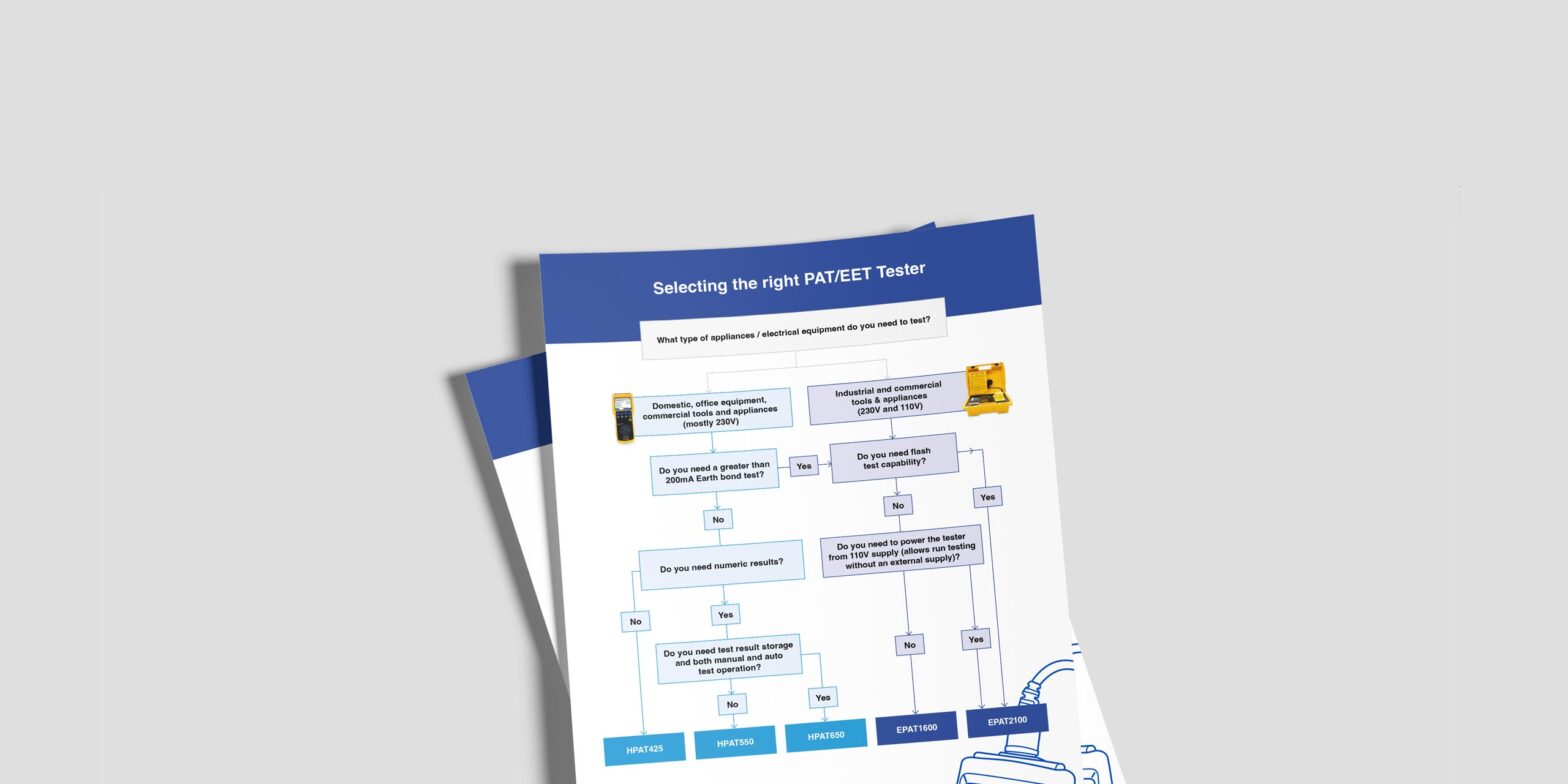
To view our range PAT Testers and Accessories, visit our PAT Solutions page.
Resources: You may also find our free downloadable Formal Visual Inspection Checklist helpful.
Please Note: This guide is intended for informational purposes only and does not replace formal training, professional advice, or regulatory requirements.