





Before You Test, Look: Why Formal Visual Inspections Matter in PAT Testing
Can a PAT test fail before it even begins?
Yes, it can – and that’s often because of what’s found during the formal visual inspection, a first step in the PAT (Portable Appliance Testing) or Electrical Equipment Testing (EET) process.
While PAT testing involves electrical testing to ensure equipment safety, many defects can be identified by a thorough visual inspection. According to the Health and Safety Executive (HSE):
“Most electrical safety defects can be found by visual examination but some types of defect can only be found by testing. However, it is essential to understand that visual examination is an essential part of the process because some types of electrical safety defect can’t be detected by testing alone.”
Source: HSE
This makes the formal visual inspection an essential first filter before any electrical testing takes place.
What is a Formal Visual Inspection?
A formal visual inspection is a structured, recorded check of an appliance, its plug, and its flexible cable. It must be done by a competent person and forms a key part of any electrical equipment maintenance regime.
Unlike informal “user checks” — which the HSE also recommends — a formal inspection is systematic and documented. It should happen before any electrical testing. If a piece of equipment fails at this stage, it should be taken out of service immediately, and not go on for further testing.
Who should carry out a formal visual inspection?
This inspection must be done by a competent person. The 5th Edition of the IET Code of Practice describes ‘competence’ as “a person possessing sufficient technical knowledge or experience to be capable of ensuring that risk is prevented.” That means someone with the necessary knowledge and training to understand what to look for – and when to escalate an issue.
This doesn’t always require an electrician or engineer – but it must be someone who understands electrical risks, knows what’s acceptable and what’s not, and is trained to follow inspection procedures accurately.
Why Is It So Important?
- Catch early signs of damage: Cracks, corrosion, overheating, or loose parts are easier to spot visually.
- Prevent unsafe equipment use: Equipment failing a visual inspection should not proceed to electrical testing or continued use.
- Protect users and premises: Visual defects can precede more serious electrical faults.
- Meet compliance: The HSE recommends regular formal inspections as part of your electrical safety regime.
How often should visual inspections be carried out?
There’s no universal rule. Frequency depends on factors such as the type of equipment, how often it’s used, by whom, and the environment it’s used in.
For example:
- Office printers in a clean environment? Maybe once a year, maybe more rarely.
- Power tools on a building site? Possibly weekly or even daily – depending on the factors outlined above
The IET’s Code of Practice includes suggested intervals, but ultimately it’s about risk assessing each piece of equipment and reviewing based on usage and findings.
Formal Visual Inspection Checklist
When performing a formal visual inspection, the following key areas need to be covered:
1. Appliance Enclosure and Casing
- Check for cracks, dents, or signs of chemical corrosion.
- Look for evidence of overheating or burn marks.
- Ensure no ingress of liquids or foreign objects.
- Check for loose parts or rattling noises when gently shaken.
- Confirm casing is securely closed and not missing screws or panels
2. Mains Plug
- Confirm plug fits securely into the mains socket without being loose.
- Inspect for cracks, damage, or discoloration to the housing.
- Check for proper wiring, tight terminal screws, and correct fuse rating.
- Look for signs of overheating, particularly on the pins.
- Ensure the mains flex is secured by the cable grip
- Verify insulated pins and avoid bent or damaged pins.
- If a rewireable plug, remove the cover to inspect fuse, wiring, and terminals.
- Check that the fuse is a genuine fuse (not a substitute like foil or wire).
- Look for signs of water damage inside the plug, especially if it’s been used in a damp environment.
3. Mains Cable
- Examine the full length for cuts, frays, or ‘repairs’ using insulation tape.
- Check for unsafe joints or exposed wiring.
- Confirm the cable is the correct length and rating for the appliance.
- Feel the cable for any hidden damage (ensure appliance is unplugged first).
- Check that the cable entry point at both the plug and appliance is strain-relieved and not pulling out.
- Verify that coloured inner insulation isn’t visible at plug or appliance entry point.
4. Additional Checks
- Confirm, if possible, that the appliance is being used as intended (correct environment and usage).
- Check the on/off switch functions correctly and is undamaged.
- Verify rating labels are present and legible.
- Ensure ventilation slots and fans are unobstructed.
- Look for signs of user modifications or unauthorised repairs (e.g. taped repairs, odd components).
- Check that the appliance hasn’t been used in inappropriate conditions (e.g. excessive moisture, dust, vibration).
- Verify that any controls, buttons, and indicators are present and responsive.
What Happens When Faults Are Found?
Any equipment showing faults during the visual inspection should be taken out of use immediately, quarrantied ,and tagged or labeled as faulty. Repairs or replacements should only be performed by qualified personnel. This avoids unnecessary testing of unsafe equipment and protects all users.
Logging the results
Every formal visual inspection should be documented. Records help:
- Track and monitor equipment condition
- Identify recurring faults or misuse
- Demonstrate compliance during audits or investigations
Final Thoughts
The formal visual inspection isn’t just a box-ticking exercise—it’s a cornerstone of electrical safety. By carrying out thorough visual checks before PAT/EET testing, you reduce risks, catch issues early, and follow best practice guidelines set out by the IET’s Code of Practice for the In-Service Inspection and Testing of Electrical Equipment (currently in its 5th Edition).
Before you test, look carefully. It’s an effective way to help keep workplaces safe.
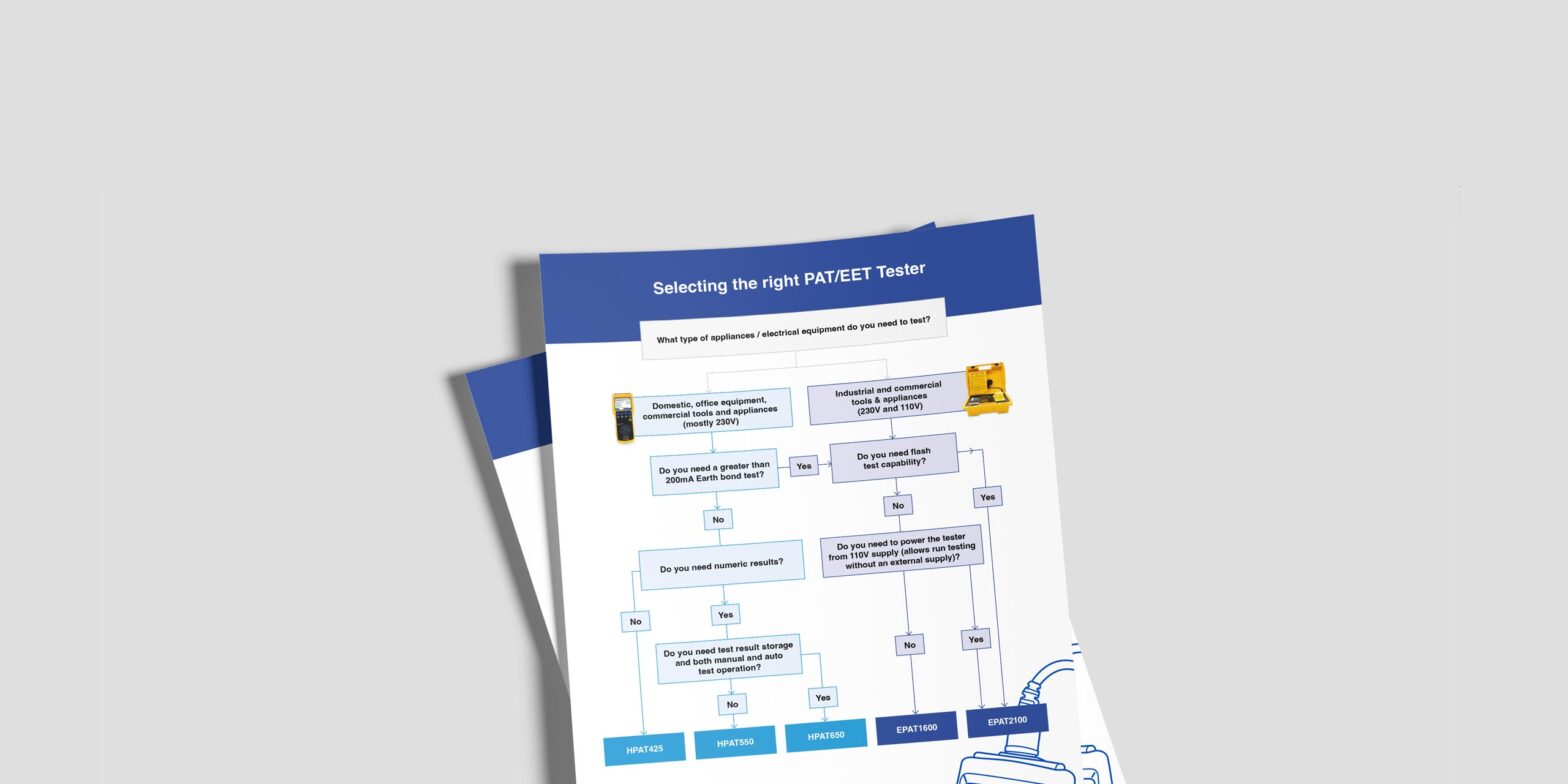
Download your free Formal Visual Inspection Checklist
We created this helpful formal visual inspection checklist to help ensure no essential areas are overlooked.
Please Note: This guide is intended for informational purposes only and does not replace formal training, professional advice, or regulatory requirements. Electrical safety work, including PAT testing and formal visual inspections, should only be carried out by competent individuals with appropriate knowledge and training. Always refer to the latest guidance from the HSE and IET, and seek professional advice where needed.