




Safe isolation – is that voltage real or phantom?
Understanding voltage indicators, impedance and safe isolation
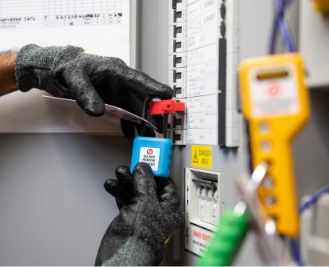
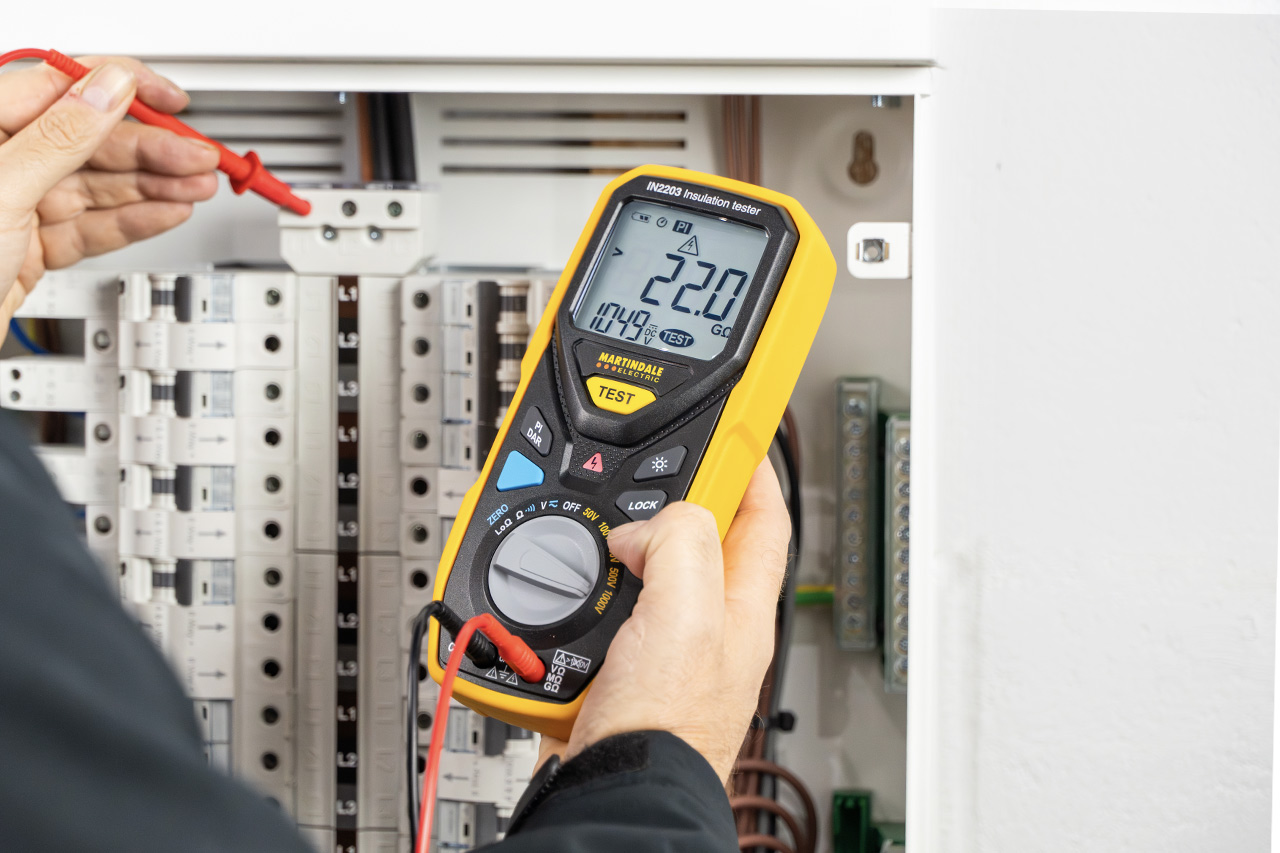
So, you’ve carried out your safe isolation procedure, isolated the circuit you need to work on, and then when proving dead, your voltage indicator is still showing live.
Why and what can you do next?
High impedance voltage indicators
Most voltage indicators available today have high input impedances so that when placed across a circuit for measurement, they have little impact on the circuit performance, avoiding unwanted trip-outs and problems with sensitive electronics and control circuits.
Older testers often had low input impedance circuitry, which meant they were only suitable for testing power circuits where their low impedance did not alter the circuit performance. Still, they did have the benefit of dissipating phantom-induced voltages even when at higher levels than typical. This feature makes it much easier to determine whether an unexpected voltage reading after a circuit has been isolated is hazardous or is a phantom voltage due to capacitive or inductive coupling from a live wire running in close proximity.
Back-fed voltage and live working measures
It’s clearly hazardous if the voltage is back-fed; the result of an unwanted interconnection between circuits and live working measures must be adhered to. The Electrical Safety First Best Practice Guide for Safe Isolation procedures identifies circumstances where the neutral conductor can become live when disconnected. The guide should be consulted to determine how this can occur.
Capacitive coupling and phantom voltage
Voltage indications due to capacitive coupling when using high impedance meters can be a relatively high percentage of the normal live voltage. Connecting the same phantom voltage to ground through a low impedance indicator will dissipate the voltage as there is no current source and a voltage level will not be displayed. Correct identification of the source ensures safe working practices can be adhered to without wasting additional time, effort and money troubleshooting circuit problems.
Low impedance voltage indicators

So, following safe isolation, there is sometimes still a need for low impedance voltage indicators to determine the source of any unexpected voltage measurements when proving dead to ensure the correct procedure is adopted before work is carried out.
Dual impedance voltage indicator as a solution
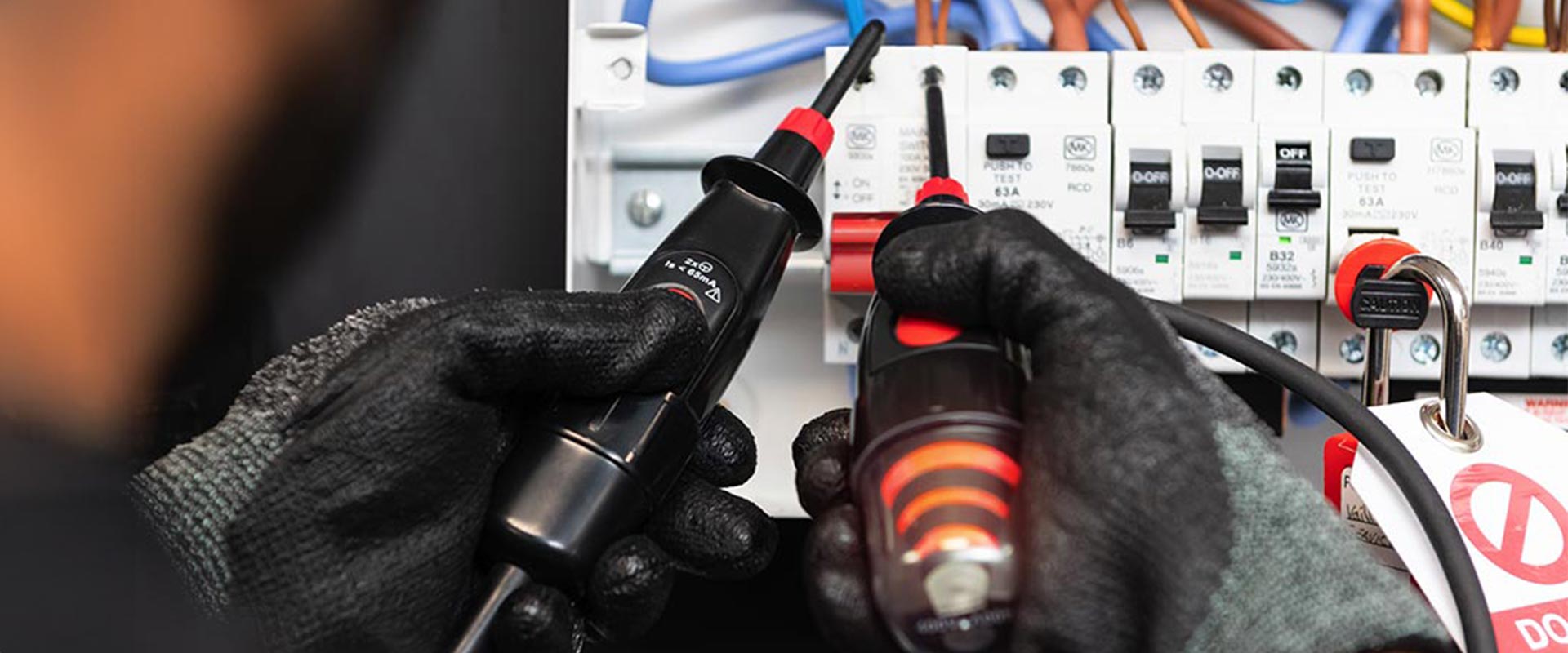
The best solution to this is a dual impedance voltage indicator; one of the few dedicated solutions available is the Drummond MTL20 from Martindale, a self-powered voltage indicator with bright LEDs and voltage thresholds from 50V to 400V AC/DC. The MTL 20 has two test buttons that, when pressed simultaneously, introduces a load of less than 10K Ohm, enabling the test lamp to draw a high current and dissipate the phantom voltage. This allows the user to differentiate between phantom voltages and hazardous persistent voltages. To prevent this from being done accidentally, both buttons must be depressed to activate this feature.
Further checks after dual impedance testing
If there is any doubt as to whether a voltage indication is hazardous live or interference / phantom after using a dual impedance tester, alternative tests should also be performed.
Key Takeaways
- Voltage may still be present after isolation due to phantom or induced voltages
- High impedance voltage indicators can show readings from these induced voltages
- Low impedance voltage indicators can help dissipate phantom voltages and clarify readings
- Back-fed voltage is hazardous and must be treated accordingly
- Safe isolation procedures should always be followed and checked carefully
- Dual impedance voltage indicators can help distinguish between real and phantom voltage
- If there is any uncertainty, further testing should always be carried out