




How safe is your workplace?
What does a competent person mean for PAT/EET testing?
While the 5th Edition of the Code of Practice emphasises the need for risk assessment, partly to reduce unnecessary testing, it still requires that portable appliance testing (PAT) be done by a competent person, but what does that mean?
“A person possessing sufficient technical knowledge or experience to be capable of ensuring that injury is prevented”.
The Code continues with further explanation of what technical knowledge or experience may comprise, including such factors as having adequate knowledge of electricity, an adequate understanding and practical experience of the system to be worked on and an understanding of the hazards that may arise and the precautions to be taken.
Why is training important for portable appliance testing?
As there are set procedures involved in how testing and inspection of electrical appliances have to be carried out, attending PAT training courses becomes imperative to understand these procedures. Imagine if an employer assigned someone the task who was not fully competent and there was an accident? It could result in issues of liability.
And it’s not just the real-time testing of electrical appliances that are covered in PAT training courses, but also how to prevent damage to electrical appliances and how to avoid accidents or potential hazards before working upon them, which is also of paramount importance.
PAT training courses are very important not just for the employees but also for the companies that employ them. After all, a PAT test course will provide the necessary theoretical and practical knowledge about testing and inspecting different electrical appliances, thereby assuring the safety of the people handling them and those surrounding them.
Companies neglecting the inspection and testing of appliances by a competent and trained individual are not only potentially invalidating their insurance policies but are also endangering their employees or even members of the public. Should a fault arise in an appliance which is either left unchecked or undetected by an unqualified individual, the consequences could prove to be fatal.
What makes a good PAT testing course?
Why practical experience matters
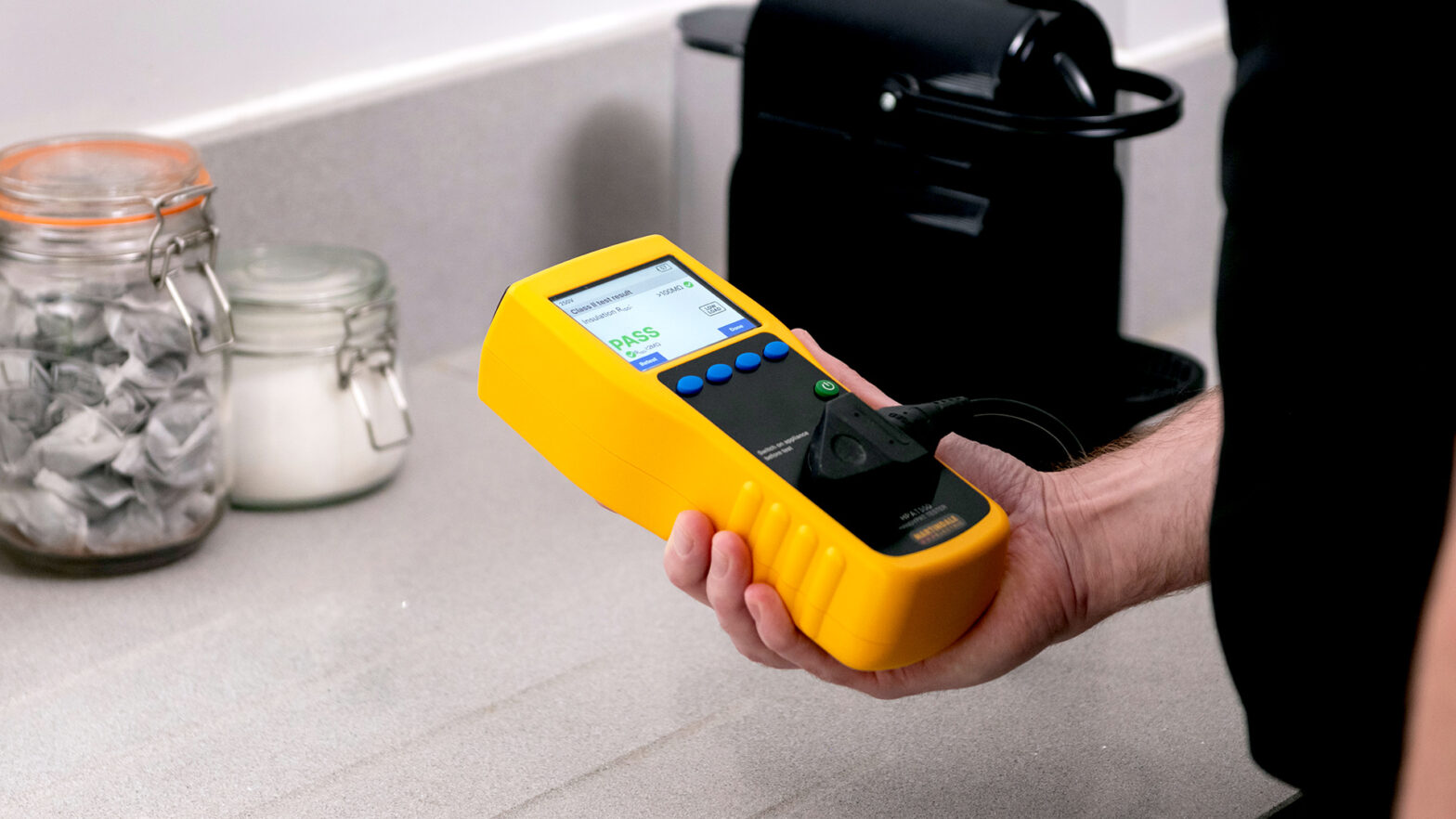
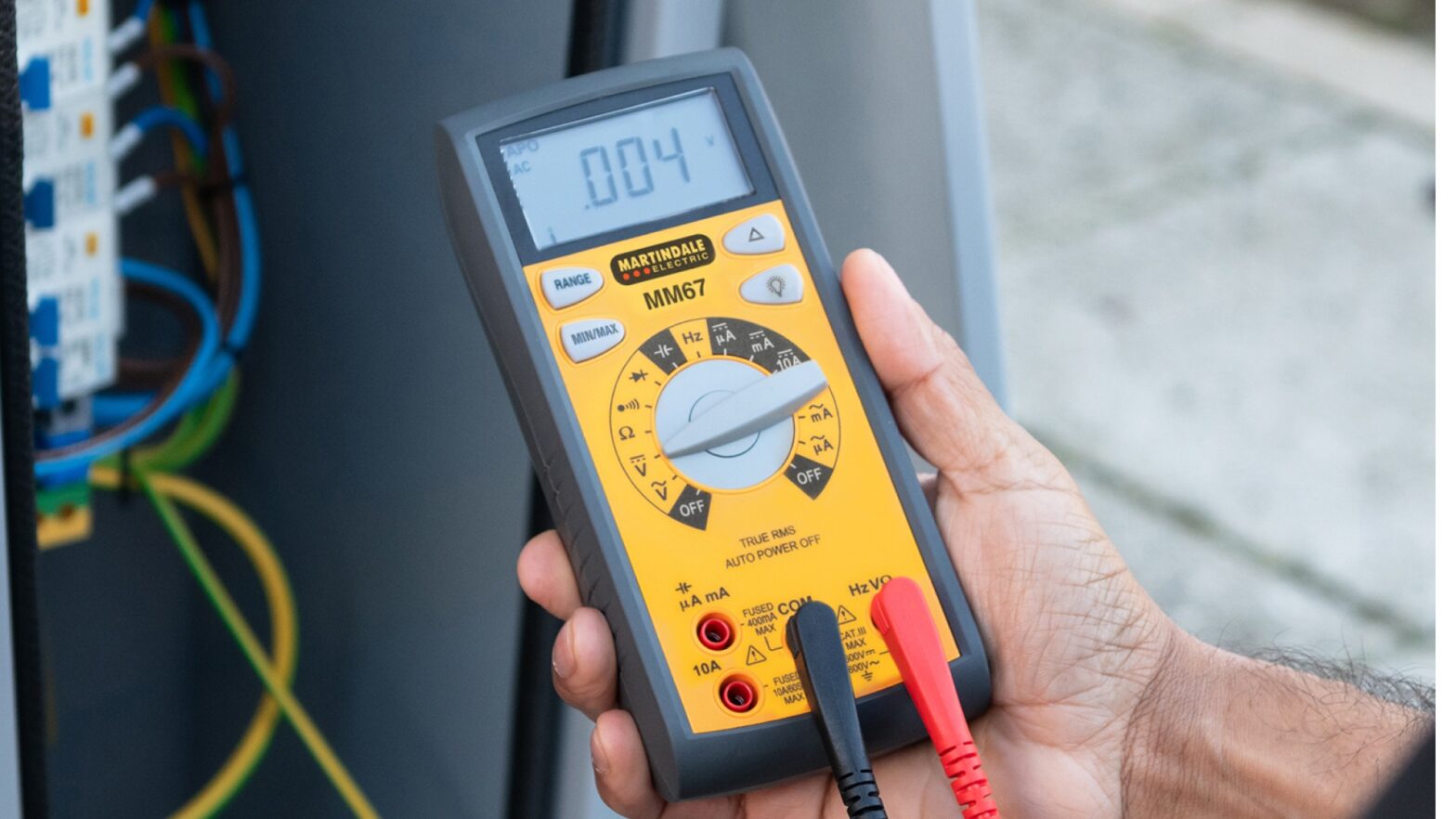
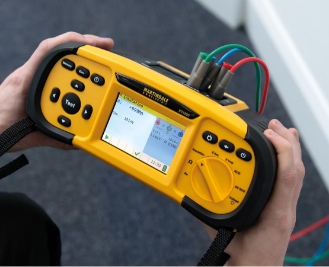
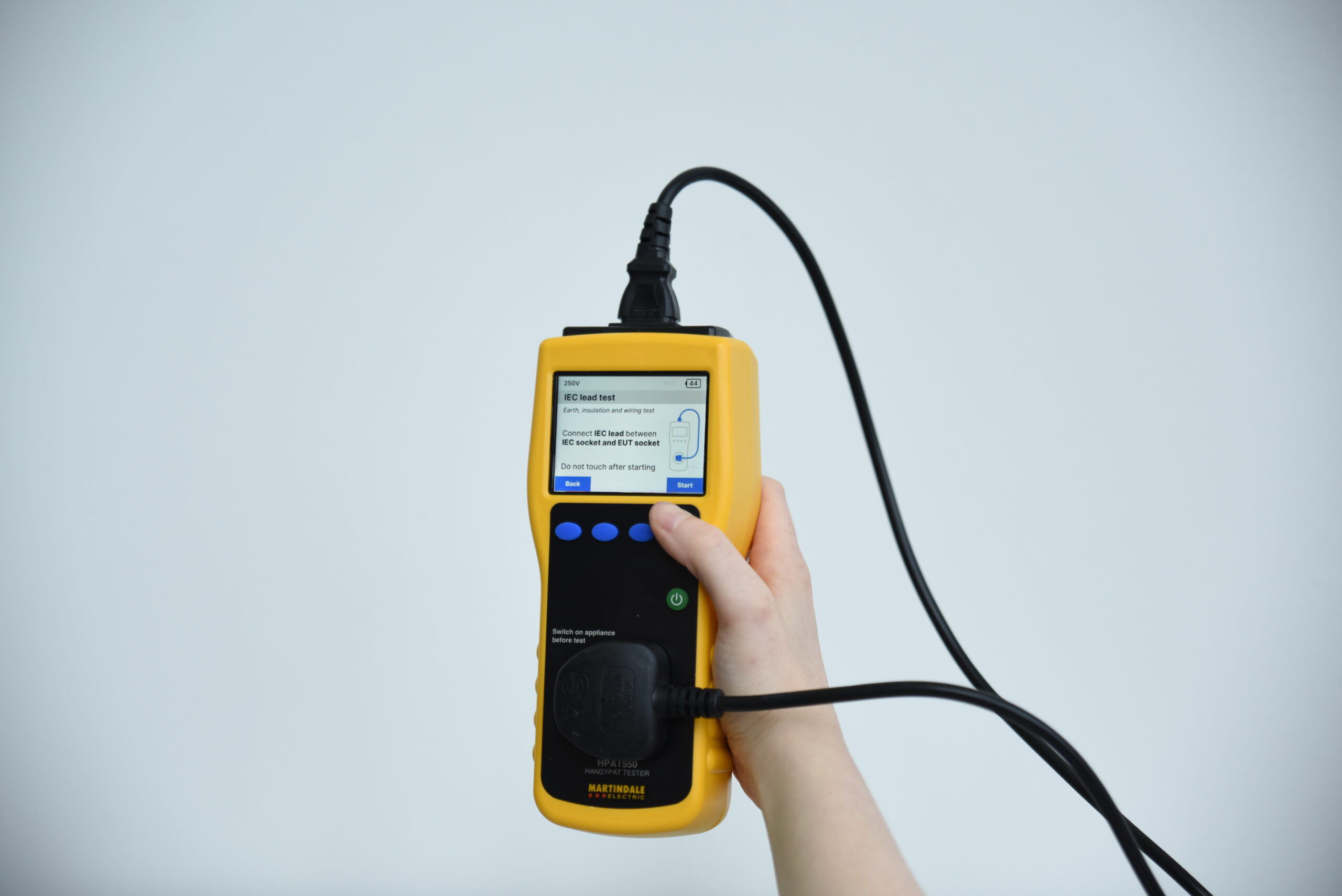
So what ensures a good PAT testing provider? PAT testing is a practical skill, and the best way to learn is on a traditional training course run by an experienced provider, where you can get a mix of theory and hands-on practical experience. Although some organisations promote online training or training simply by watching a video, there is no substitute for actually getting your hands on equipment! Plus, on most courses – which usually last a day – you will get to try out different ‘industry standard’ PAT testers, from the very basic entry level devices, right through to the latest computerised downloading PAT testing machines.
Consider course size
Another factor to take into consideration when choosing a provider is course size. A smaller group with a maximum attendance level of 10-12 people will allow the trainer to cope with practical sessions and the time to answer individual questions.
Do you need a City & Guilds qualification?
Although there is a formal City & Guilds qualification, it should be noted that this isn’t a pre requisite as most professional PAT testing companies don’t specify a need for it. With the main emphasis being on common sense, PAT testing doesn’t have to be complicated. Most good providers will help you to understand how to achieve the right balance, as well as teaching you exactly what the law requires.
PAT training from Martindale Electric
Martindale Electric knows that efficient PAT testing is the key to success in ensuring your company is compliant with current legislation and working practices. Offering on-site PAT training for up to 10 people, the training session includes an important hands-on session that gives delegates the opportunity to test different appliances under supervision.
According to The Health and Safety Executive, 25% of all reportable electrical accidents involve portable appliances. From these figures, it is clear that a large number of incidents and injuries caused by misused or faulty electrical equipment can be prevented with proper electrical checking, inspection and safety testing.
Key Takeaways
- PAT testing should always be carried out by a competent person with sufficient technical knowledge or experience.
- Training provides theoretical and practical knowledge about identifying failures and potential testing and inspecting electrical appliances.
- Hands-on experience is an important element of any PAT training program.
- Martindale Electric offers on-site PAT training with hands-on testing of different appliances under supervision.