




Safety and efficiency with multifunction testers
The role of multifunction testers in electrical installations
Safety is never simply a priority in electrical installations, it’s always a necessity. Making sure each installation is thoroughly tested requires reliable, accurate tools and effective methods – and that’s where multi-function testers (MFTs) come in. MFTs now dominate the 18th edition test market, streamlining the testing process by combining multiple essential tests into one convenient, handheld device.
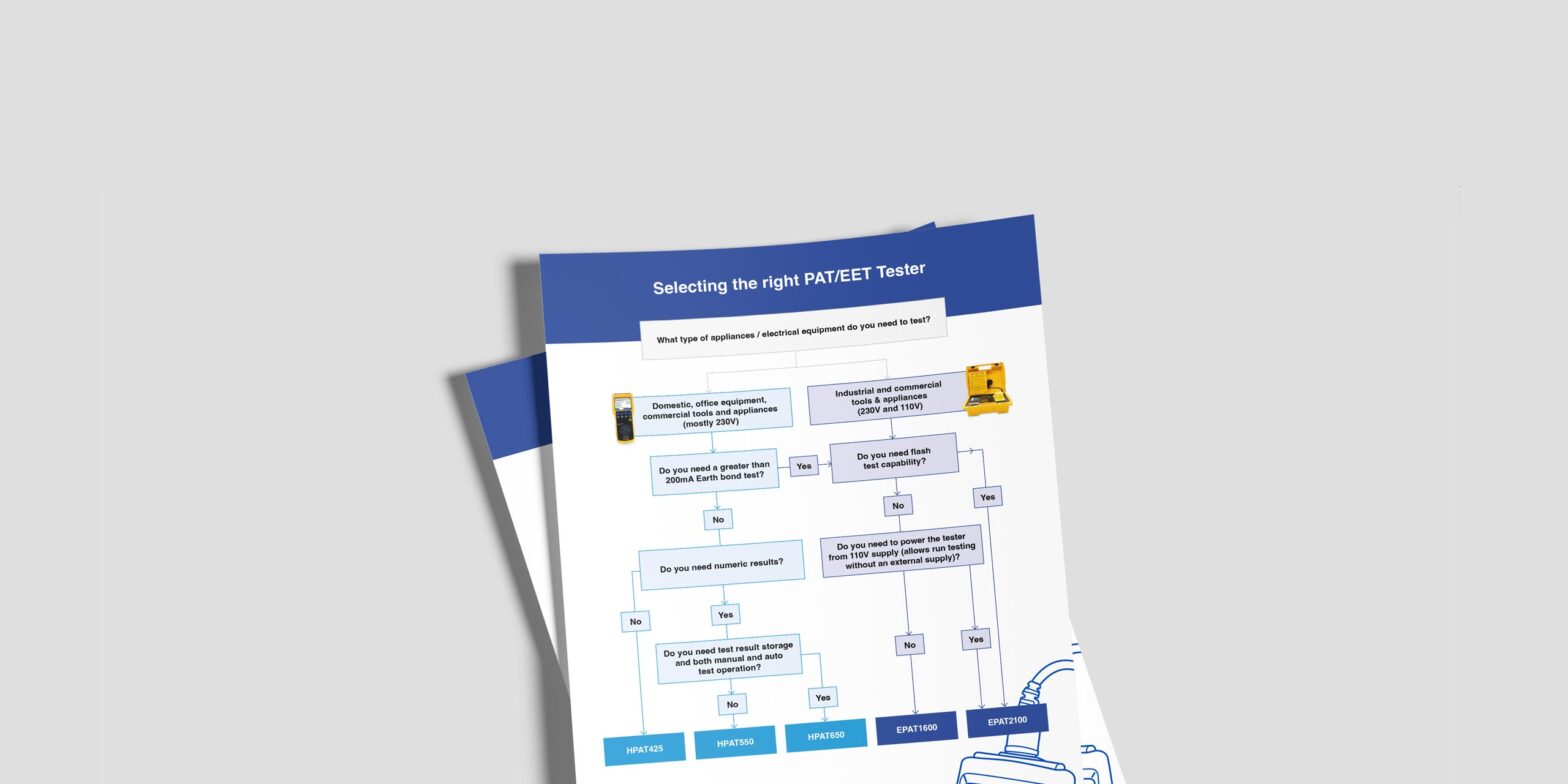
Choosing the right multifunction tester for your business
For a contractor, an MFT will possibly be one of the largest purchases for their business, which cannot be directly charged to a customer. With the wide range of testers available and new models constantly being launched, choosing the right tester can be challenging. The key is to choose an MFT with functions matched with the current and potential needs of the business. Many new models carry a high price but include functions which may not be needed for the scope of work undertaken by the contractor.
Improving efficiency with multifunction testers
Generally, MFTs are extremely efficient, combining many measurement functions within one instrument. In addition to standard tests needed to check compliance with the 18th edition regulations, the latest testers can incorporate a range of other functions from simple voltage measurement and phase rotation checks through to EV charger testing with varying levels of documentation support. This can make a big difference, especially on larger projects or jobs where deadlines are tight. As there’s no need to swap between different devices, electricians can significantly speed up their work rate. Instead of setting up new testers for each different test, an MFT allows you to jump straight into the next task. For electricians working on multiple jobs or large-scale projects, this can make a huge difference to productivity.
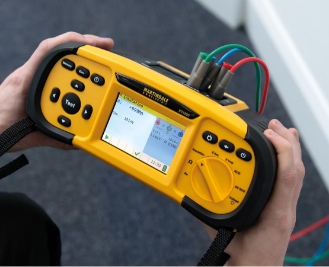
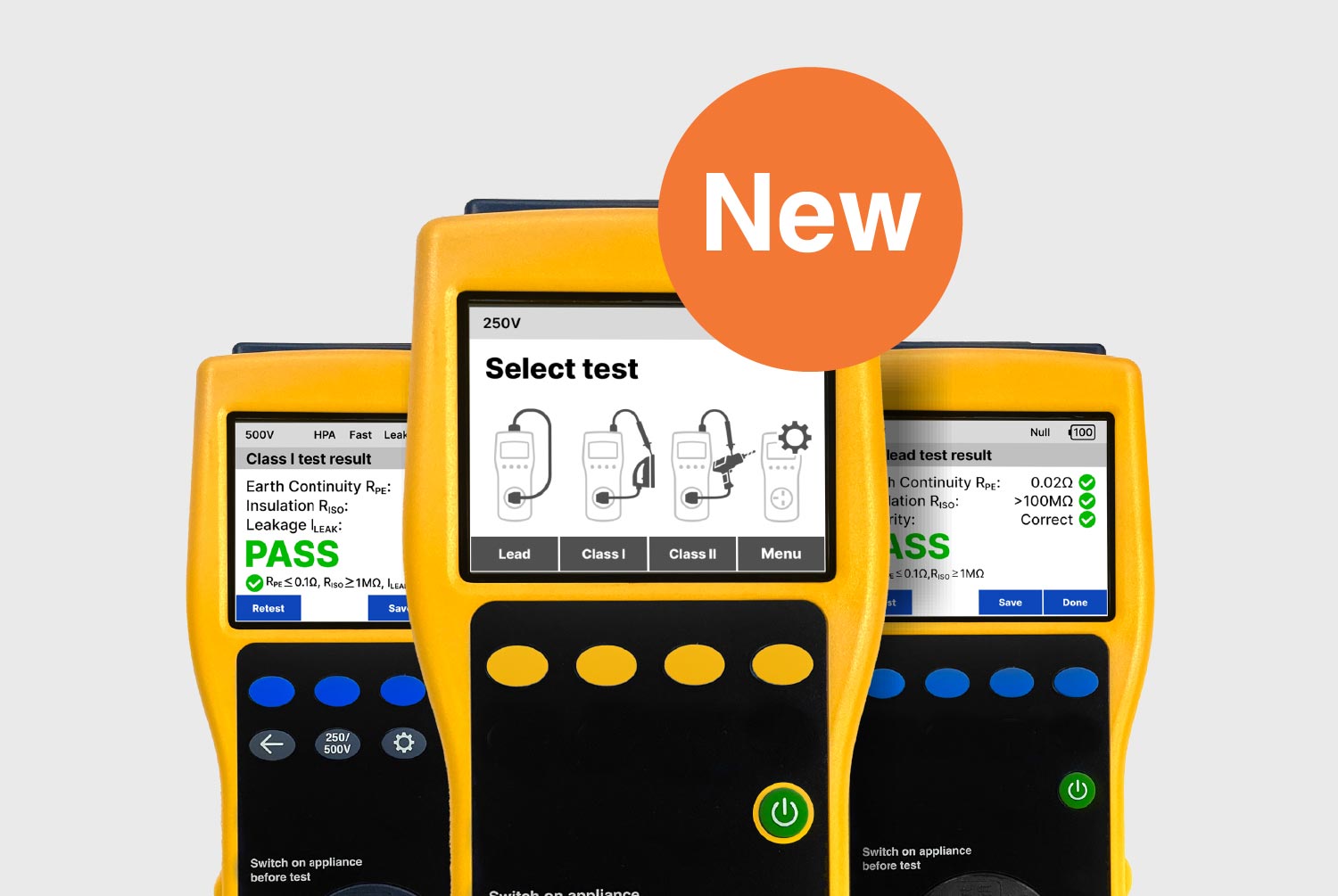
There is also less chance for errors: with fewer devices and cables to manage, electricians can carry out complex testing with greater ease using a single, familiar tester. Most modern testers are designed to be easy to use; many have intuitive user interfaces with on-screen guides, which simplify even complex tasks making it far less likely to make errors or have to perform tests for a second time. Practical features such as large LCD screens make it easy to view results instantly even in poorly lit environments, colour displays give improved readability and screens matched with cable colours. Some models feature on-device data storage which allows results to be quickly transferred to smartphones or laptops for analysis and reporting.
Accuracy, calibration and reporting with multifunction testers
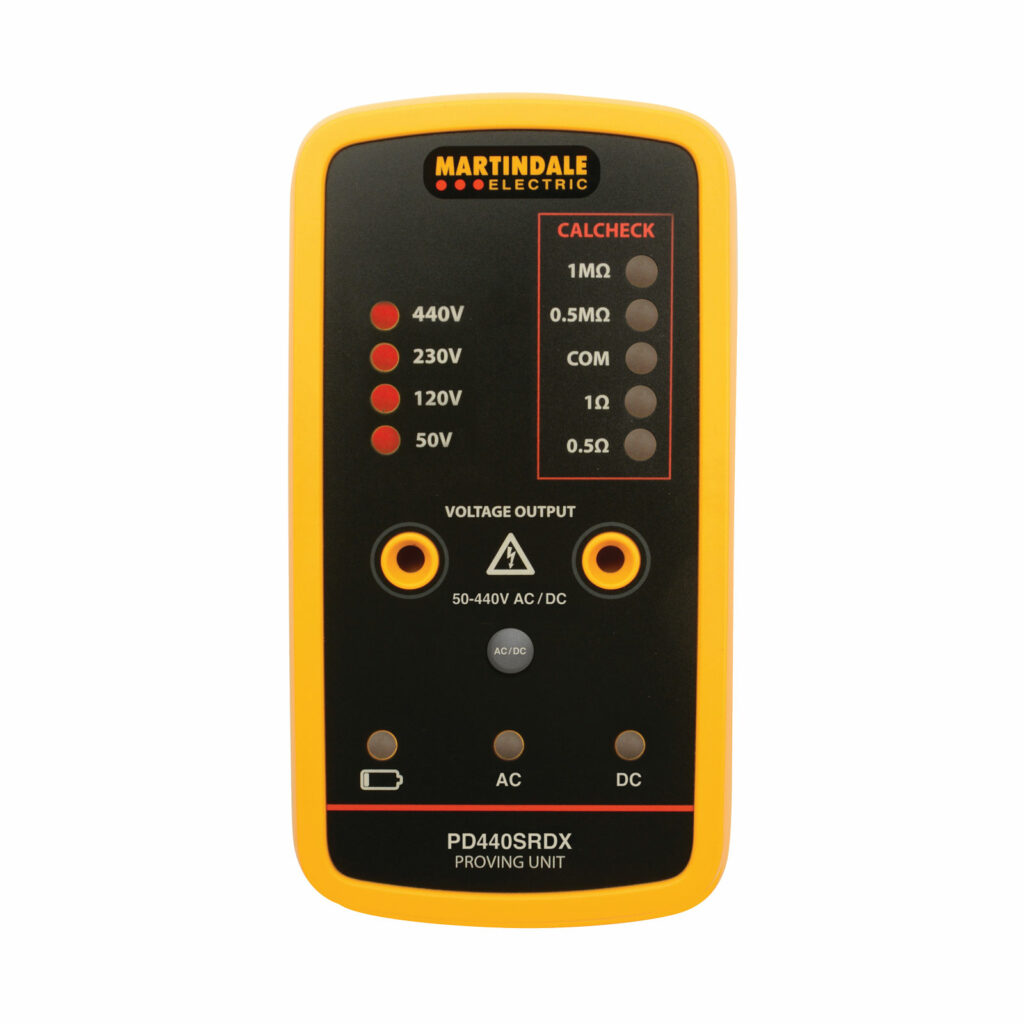
But MFTs aren’t just about testing efficiently, accuracy of measurement is paramount particularly for certification and reporting purposes. Calibrating and maintaining records of a single MFT is simpler and more efficient than multiple test tools. Calibration is, of course, the responsibility of the user, the manufacturers calibration recommendations should always be followed and the use of a checkbox in between calibrations a can help prove continuity of measurement. For example the Martindale PD440SRDX proving unit has a unique CALCHECK feature making it easy to verify the insulation and low resistance ranges on 18th Edition multifunction testers, wherever you are working.
Key tests carried out using multifunction testers
Key tests that can be carried out on the majority of MFTs include:
- Continuity Tests: Detect insulation breakdowns within an electrical system, including issues in wires, transformers and motors, by measuring low resistance (ohms).
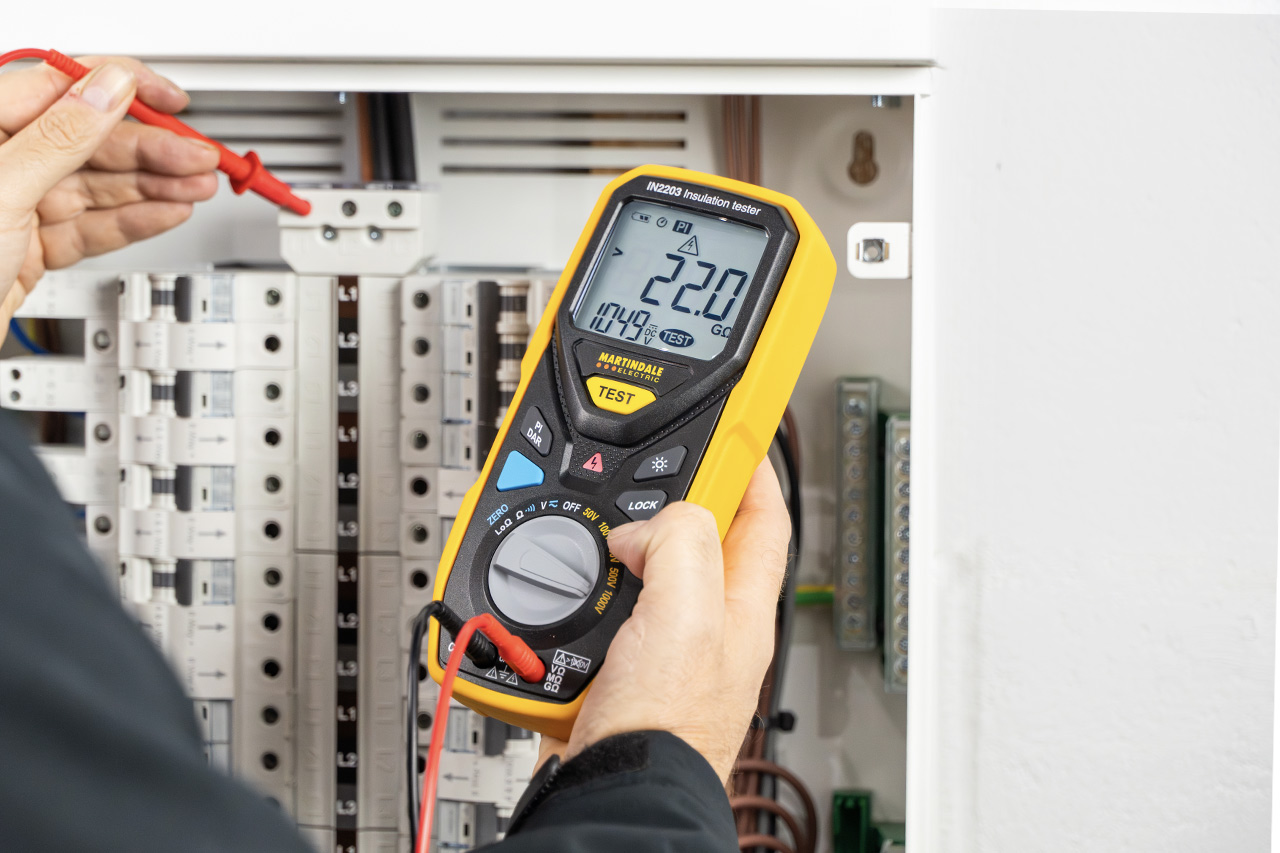
- Insulation Resistance Tests: Measure high resistance levels to check insulation strength, ensuring safe operation across different electrical components.
- Earth Fault Loop Impedance Tests: These tests assess a circuit’s capability to activate protective devices like circuit breakers, fuses, and RCDs. MFTs offer a quick and straightforward way to ensure circuit safety in fault conditions.
- RCD Tests: Residual circuit devices (RCDs) must disconnect rapidly to prevent electric shocks and address issues like current leaks that could cause fires. MFTs test RCD performance to confirm they meet required safety standards.
Selecting an MFT for current and future requirements
Choosing an MFT to suit their needs is essential for electricians. Basic models will cover essential testing requirements, while more advanced versions might include EV testing and data storage for reporting. Selecting an MFT with features that meet both current needs and future demands, like EV testing capabilities, helps electricians stay prepared for changing industry standards.
Martindale ET6000 Series multifunction testers
The ET6000 Series of MFTs from Martindale Electric covers a wide variety of essential testing tasks and can be used on anything from simple installations to complex jobs. Each model has a full-colour TFT display that clearly shows connection information and test results so there is never any confusion during testing and electricians can focus on the task without second-guessing themselves.
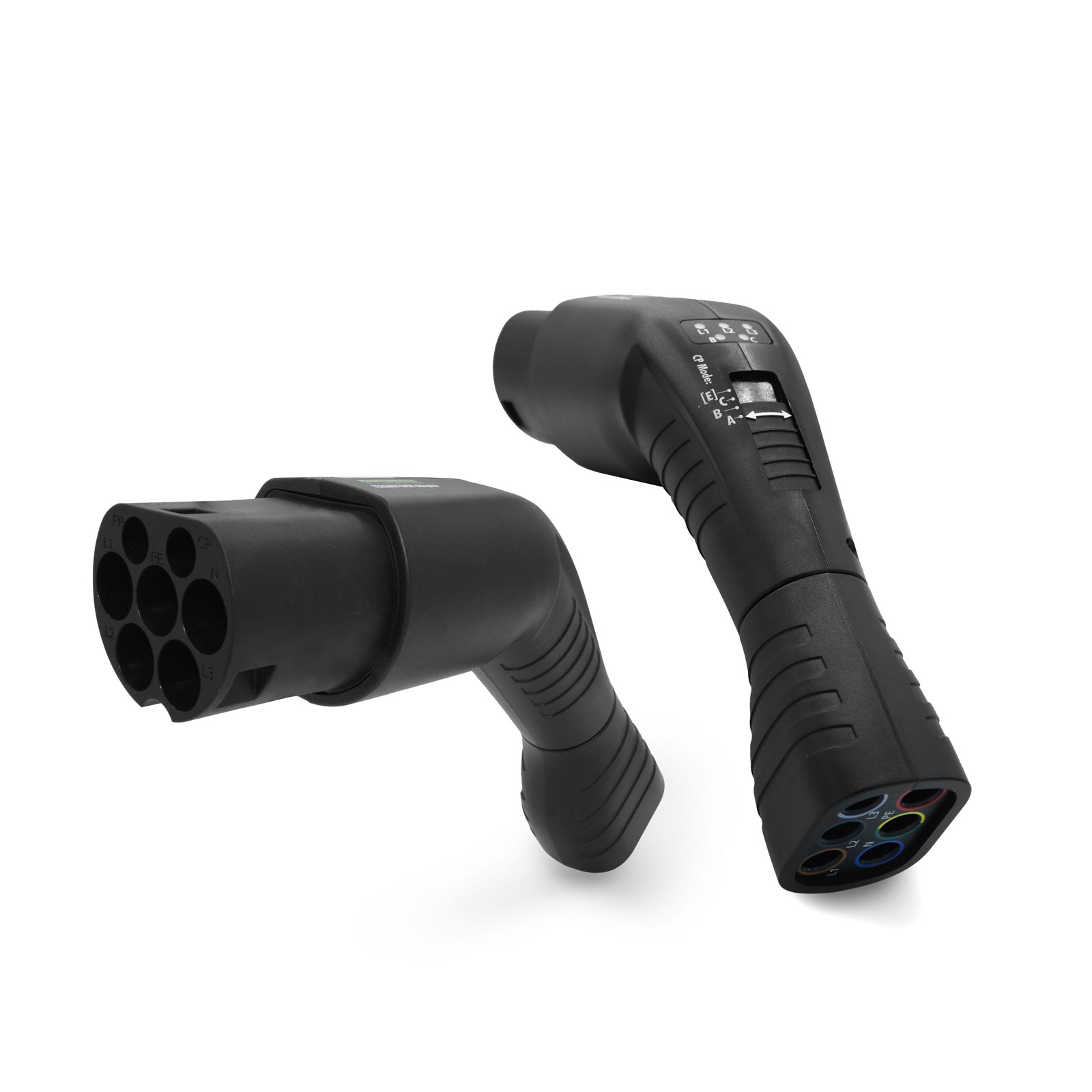
The ET6000 is the entry-level model for electricians who want a reliable installation tester that covers all essential functions required by the 18th Edition Wiring Regulations. The ET6300 and ET6500 models are designed to help electricians prepare for the evolving requirements of electrical installations. The ET6300 can be upgraded at any time to enable EV testing capability by adding the Martindale TL326EV adapter. The ET6500 model includes the TL326EV adapter, 3 and 4-wire earth testing capability and has onboard memory to store and download all installation test results for fast, reliable documentation, exporting data directly into an Excel format.
Making electrical testing faster, safer and more efficient
Whether it’s for a routine installation or an EV charging point, having the right MFT on hand makes electrical testing faster, safer and more efficient. MFTs are accurate and convenient and make compliance with the latest standards straightforward. A good MFT is a smart investment that’s guaranteed to be one of your most treasured tools.