


Test equipment measurement CAT explained
With increasingly complex electrical loads being connected to modern power distribution systems, the risk of transient over voltages propagating throughout a building’s electrical infrastructure also increases.
The most common sources of these transients are large electrical loads, which can generate sudden voltage spikes during switching events or even as part of normal operation. In addition, external disturbances originating from the utility power network, such as transmission and distribution system switching or fault events, can introduce high-energy electrical transients into a building’s electrical installation.
Why Electrical Transients Matter
Instantaneous transients peaking at thousands of volts on low-voltage power circuits can pose significant risks for technicians and engineers working with electrical measurement equipment. These events are ever-present potential hazards. Such disturbances are largely unavoidable, so effective protection must be engineered directly into test equipment being used, ensuring safety and reliability even in the most demanding electrical environments.
BS EN61010-1 and Test Equipment Safety
BS EN61010-1 is the safety standard governing electrical equipment used for measurement, control, and laboratory applications. The standard establishes rigorous requirements for the design, construction, and testing of equipment to protect users from electrical hazards. To be compliant manufacturers must design and build products that can withstand foreseeable operating conditions such as electrical transients and fault situations while maintaining a high level of user safety. BS EN 61010-1 plays a critical role in ensuring that test and measurement instruments deliver not only accurate performance but also reliable protection in demanding electrical environments.
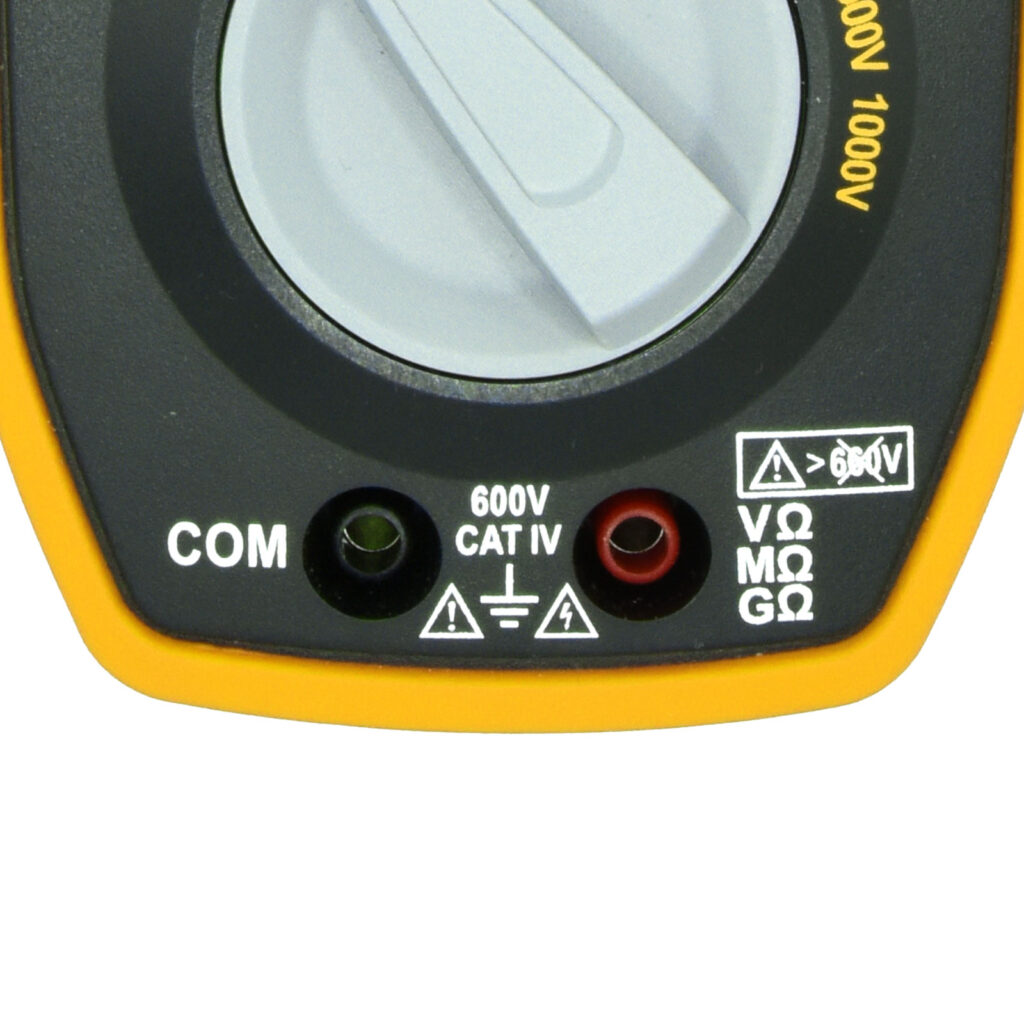
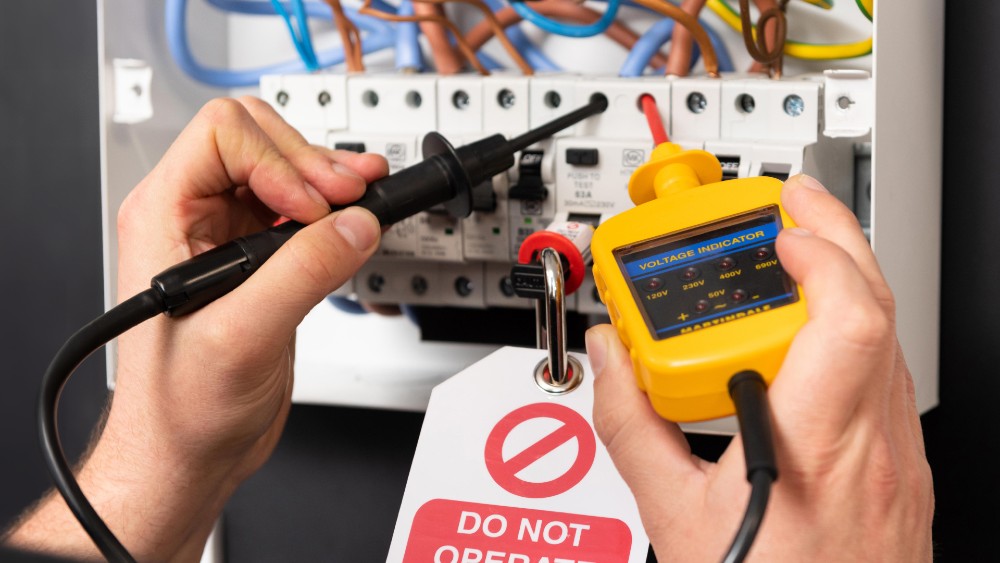
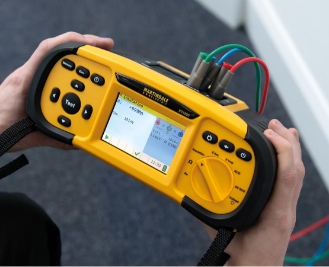
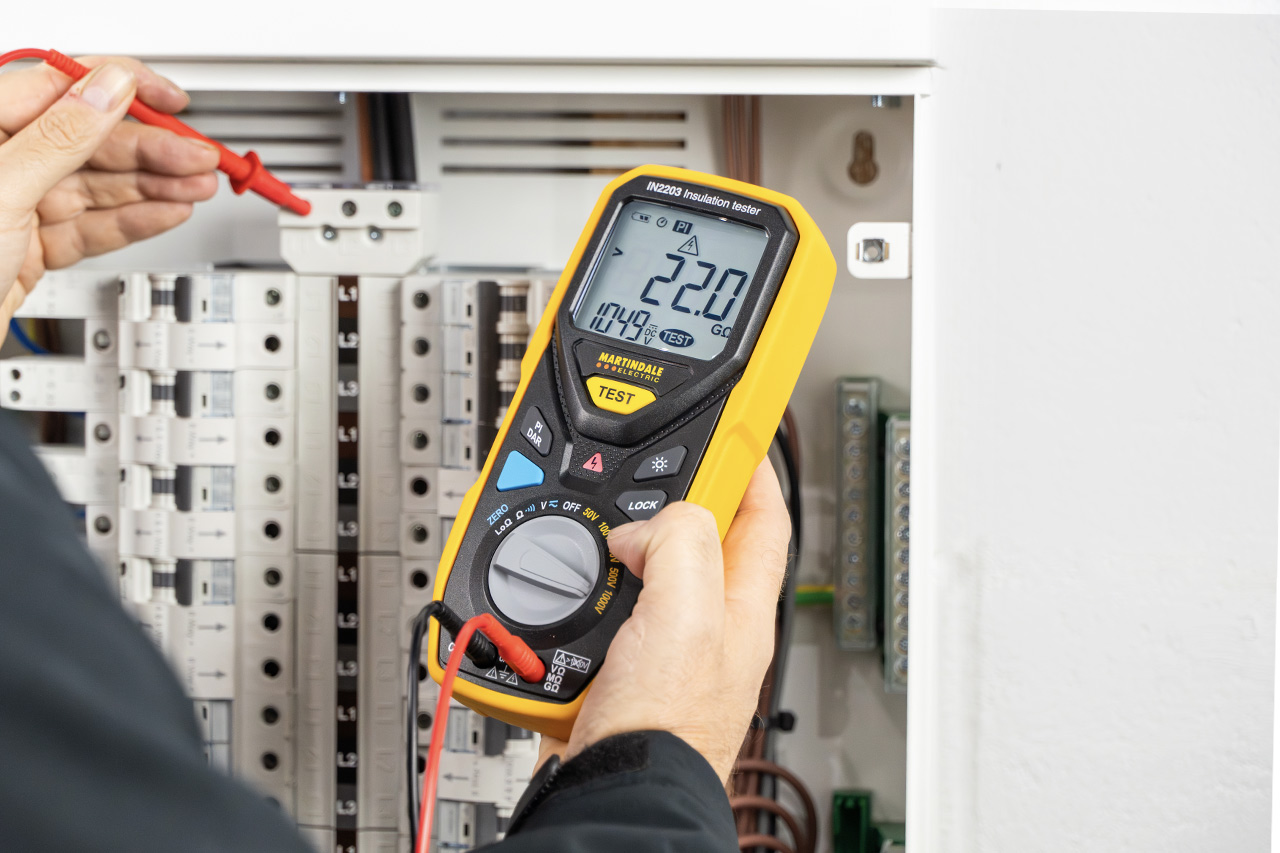
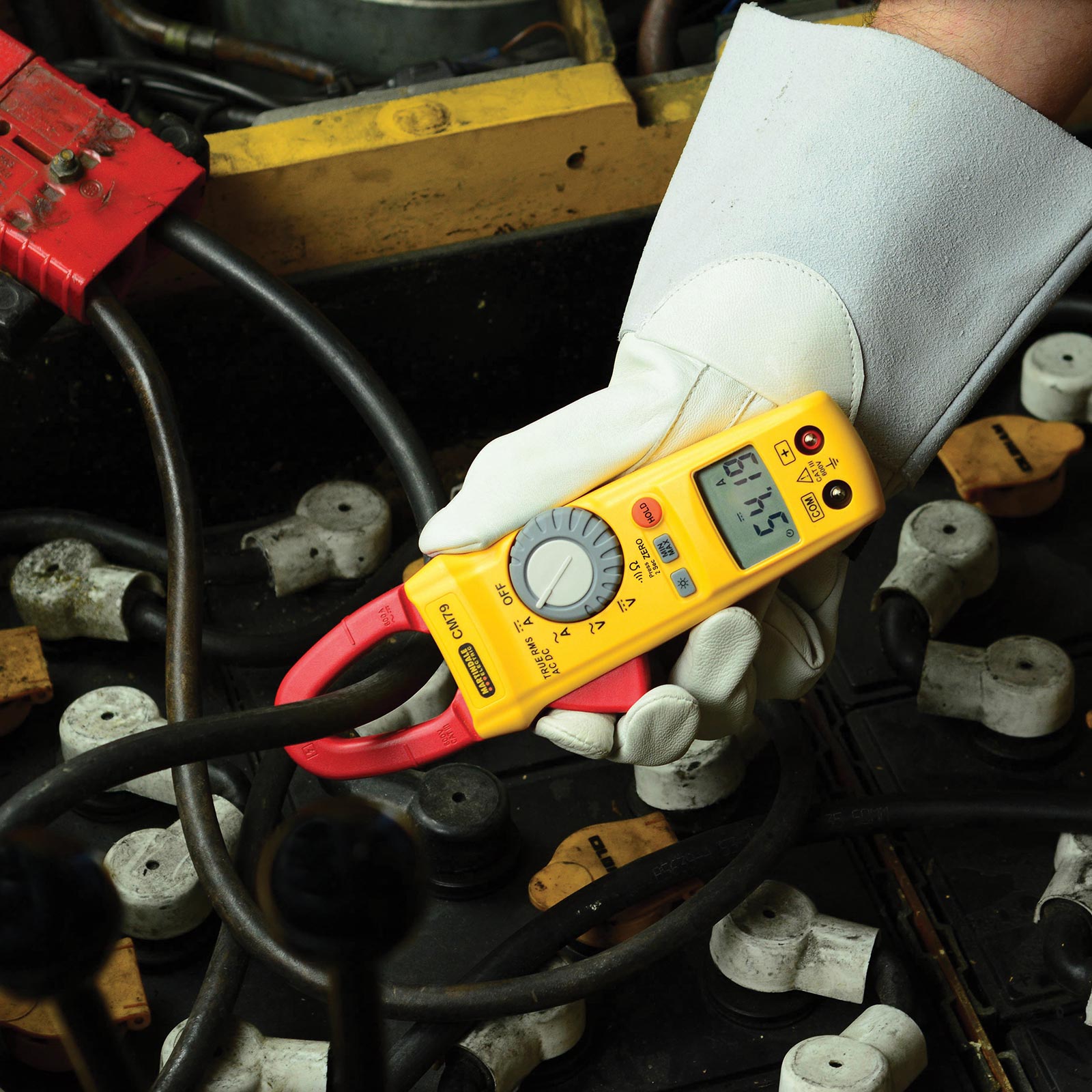
Test equipment such as voltage indicators, multimeters and clamp meters will all have BS EN 61010-1 safety information located on or near the measurement connection. This comprises of a category or CAT rating plus a voltage.
Understanding CAT Ratings
Overvoltage categories or CAT ratings as defined in BS EN61010-1 consider the natural damping effect related to the distance the piece of equipment or circuit is from the main power source. Transient energy reduces further away from the source as it travels through the electrical distribution system. The CAT rating defines the risks from hazardous transient impulses and potentially lethal short circuit currents on the mains supply system based on where you are working, where the test equipment is being used.

To stay safe the test equipment should be rated the same as, or higher, than location where it is being used. Briefly:
CAT II: Socket outlets and similar points of the mains installation
Examples: Electrical appliances, plug in lamps, socket outlets.
CAT III: The distribution part of the building’s mains installation.
Examples: Socket wiring, circuit breakers, lighting
CAT IV: The supply side source of the building’s mains installation.
Examples:- Tarriff Meter, service fuse
(for full description refer to BS EN61010-1)
Understanding Voltage Ratings
In addition to the category rating test equipment will also have a voltage rating to show the maximum safe phase-to-earth system voltage, normally 50V, 100V, 150V, 300V, 600V or 1000V.
It is essential that both category and voltage rating are used to define where the measurement device can be used. The peak impulse test voltage the equipment must survive without breaking down are defined by both the voltage and CAT rating. For example, a CAT III 600V meter is tested with 6000V transients for compliance while a CAT IV 600V meter is tested with 8000 V transients, the CAT IV meter being capable of being used in a location nearer the voltage source. A CAT II device may have a 600V or even a 1000V rating but it is not tested or built to withstand the energy which could occur in a CAT III environment.
It should also be remembered that not only test equipment has these ratings, test leads and accessories all need safety ratings equivalent to, or higher than the installation category and voltage rating for the location to be safe to use equipment.
Conclusion
Safety can never be left to chance. BS EN 61010-1 is an essential regulation that ensures electrical measurement equipment is designed to protect users from the electrical hazards encountered in real-world applications. For engineers, technicians, and electricians alike, understanding the principles behind BS EN 61010-1 is key to selecting the right equipment and maintaining a safe working environment.