


Martindale – helping keep control of Legionella
Managing Legionella: Duties, Risks, and Regulatory Compliance
Ensuring that properties are free from Legionella is a fundamental responsibility that directly impacts health and safety. Those who own, manage, or control premises have a legal duty to identify, assess, and control the risks associated with Legionella bacteria, which can proliferate in water systems if not properly maintained. This responsibility includes both employers and building management, through to landlords.
Legionella regulations in the UK include the Health and Safety at Work Act – highlighting risks from legionella bacteria arising from work activities; the Management of Health and Safety at Work Regulations; and the Control of Substances Hazardous to Health (COSHH) which provide a framework of actions designed to reduce the risk from bacteria like legionella. The requirements include risk assessments for water systems, control measures, regular monitoring, and keeping records, all guided by the HSE’s Approved Code of Practice (L8).
Ongoing Legionella risks in water systems
Despite this there are still cases of legionella in the news. Legionella may generally be perceived as an issue with poorly maintained water supply systems, air conditioning systems, humidifiers, taps and showers that are not often used or badly maintained. However, it can be present in other areas such as spa pools, fountains and hot tubs where there is poor temperature control, insufficient disinfection and lack of monitoring.
What is Legionnaire’s disease?
Legionella bacteria naturally live in freshwater environments but only become a health risk when become present in water supply systems. The main cause is where water temperatures are warm, typically 20°C – 45°C, stagnant or slow-moving, and inadequate system maintenance.
Legionnaires’ disease is caught by breathing in tiny droplets of water containing bacteria resulting in an infection in the lungs causing coughs, breathing problems, high temperature and flu like symptoms. It is uncommon but it can be very serious. Smoking, age, lung disease and weakened immunity increase individual susceptibility.
Essential tools to assist with Legionella control
Legionella Testing Thermometry Kit
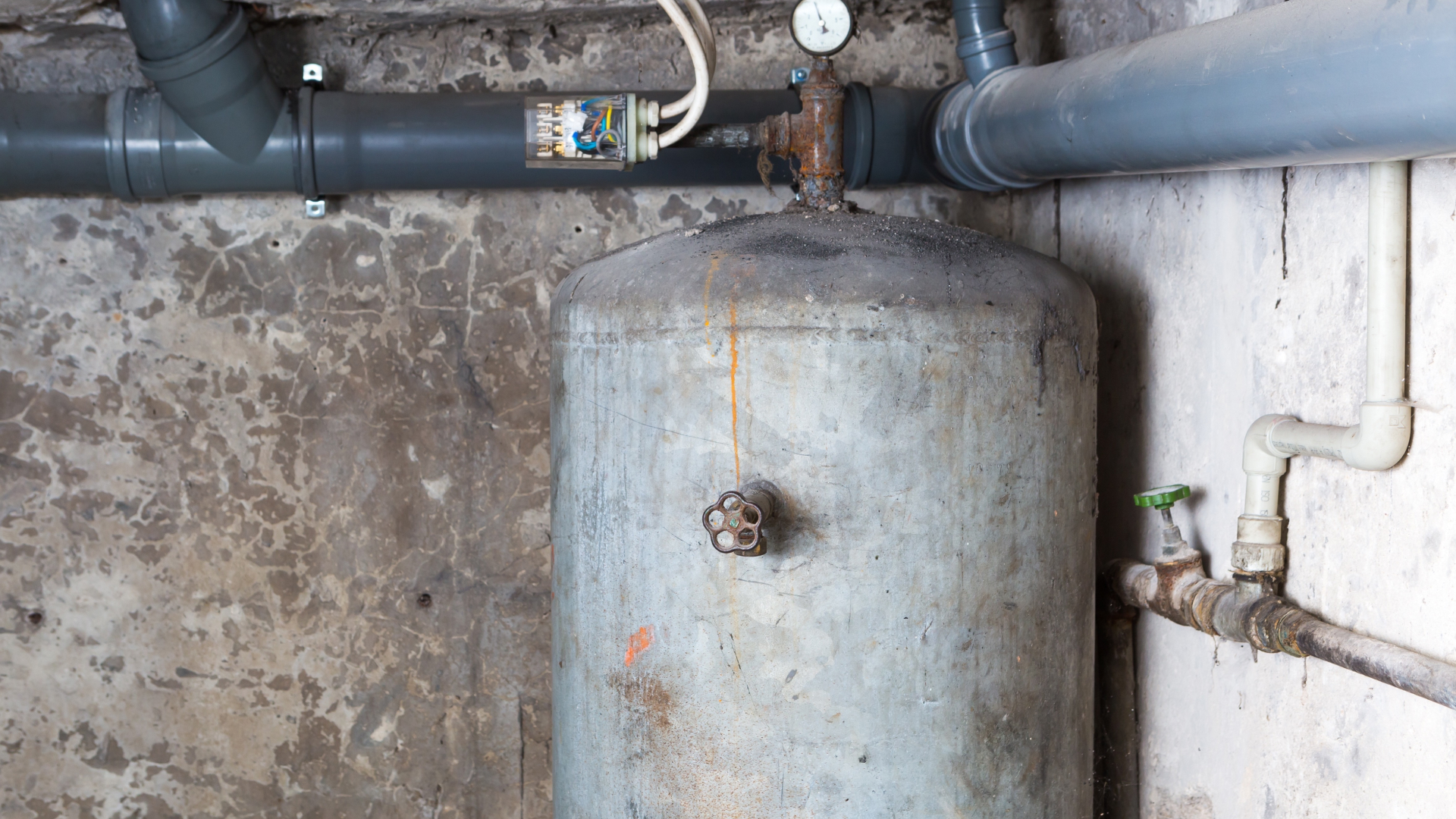
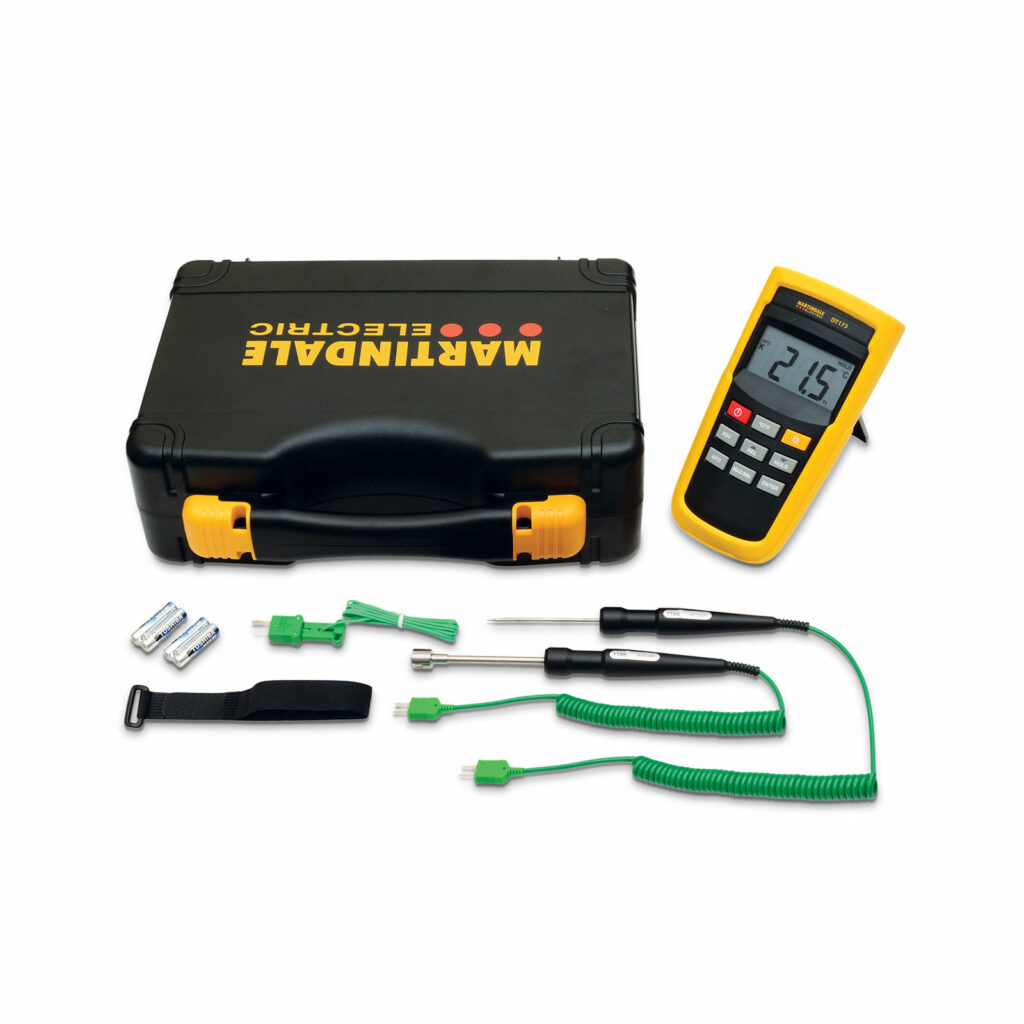
Martindale’s THERMOKITLGN kit can be used for temperature testing and monitoring to help avoid water temperature and conditions that can favour the growth of Legionella and other bacteria in accordance with Health & Safety Guidelines. Included in the kit is the a digital thermometer with max function and two thermocouple probes in a hard carry case. The included surface and immersion probes simplify measurement on pipework and tanks.
Legionella Risk Assessment
Free guide to your Legionella assessment– helps ensure that properties are safe from the risk of Legionnaires’ Disease, even in single-let properties. This free, downloadable risk assessment form from Martindale helps prevent any steps from being missed.
Legionella record keeping logbook
Martindale Legionella log book helps track and record information related to water management and testing to reduce the risk of Legionella bacteria in the water systems. Entry of data allows recording of the checks and tests carried out and the results of any inspections including the dates these were completed and by whom. The log book is an ideal way to keep a permanent record on file at the premises.
Legionella Management Training
Basic Legionella Management training course – a cost-effective, interactive online training course aimed at employers and staff to assist them in identifying the danger that Legionella poses, as well as covering ways to identify and assess sources of risk from Legionella on the premises. It also gives enough knowledge to get a Legionella control programme off the ground yourself – or make confident, informed choices when commissioning others to take this on for you.
Summary
By implementing effective risk management practices, regular monitoring, and appropriate control measures, responsible parties help protect occupants, visitors, and the wider community from the potentially serious consequences of Legionnaires’ disease.
For further information relating to testing requirements refer to the Health and Safety Executive document “The control of legionella bacteria in water systems – Approved Code of Practice and guidance” and other guidance material at www.hse.gov.uk/legionnaires