



Expansion of EV charging infrastructure creates new opportunities for electrical contractors
The rapid growth of electric vehicle (EV) charging infrastructure is becoming significant within the electrical contracting sector, creating opportunities for installers, inspectors and maintenance specialists. As electric vehicle adoption continues to accelerate, the demand for compliant charging installations is increasing in parallel – placing qualified electricians and competent persons at the centre of a rapidly evolving market.
According to Steve Dunning, Managing Director at Martindale Electric, “The expanding EV sector presents contractors with a practical route to diversify their services while supporting the UK’s transition towards lower-emission transport”.
However, as charging infrastructure becomes more widespread, ensuring safety, compliance and reliable operation remain essential, placing greater emphasis on appropriate testing procedures and equipment.
Ambitious deployment targets driving market growth
The pace of charge point deployment continues to gather momentum and achieving the ambitious deployment goals put in place by the UK government will depend on continued investment in electrical infrastructure, the availability of suitable testing equipment and a workforce equipped with the necessary technical skills.
Domestic EV installations are expected to form a major component of this growth, supported by the fact that a large proportion of UK households already benefit from a driveway or designated parking space. This existing infrastructure makes residential EV charging a viable option for millions of properties, and further increases the need for qualified installation and testing services.
Evolving requirements for EVSE testing
While many test equipment manufacturers already supply EVSE-capable test instruments and breakout boxes, the market is also seeing the emergence of simpler, more affordable tools aimed at essential safety checks. These developments help reduce barriers to entry for contractors looking to support EV infrastructure, provided they have suitable equipment and training in place.
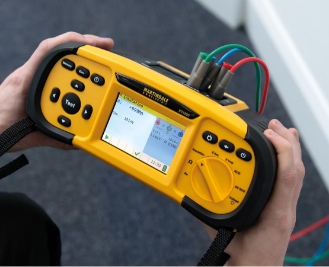
Generally, for testing and verification of electrical installations, the multifunction tester (MFT) remains the primary instrument. However, for rapid functional checks, electricians frequently rely on simpler socket testers to identify wiring faults and confirm correct operation.
A similar approach is now being adopted for EV charging infrastructure. Dedicated EV socket testers are increasingly becoming an addition to contractors’ toolkits, providing a fast and convenient method of conducting preliminary assessments.
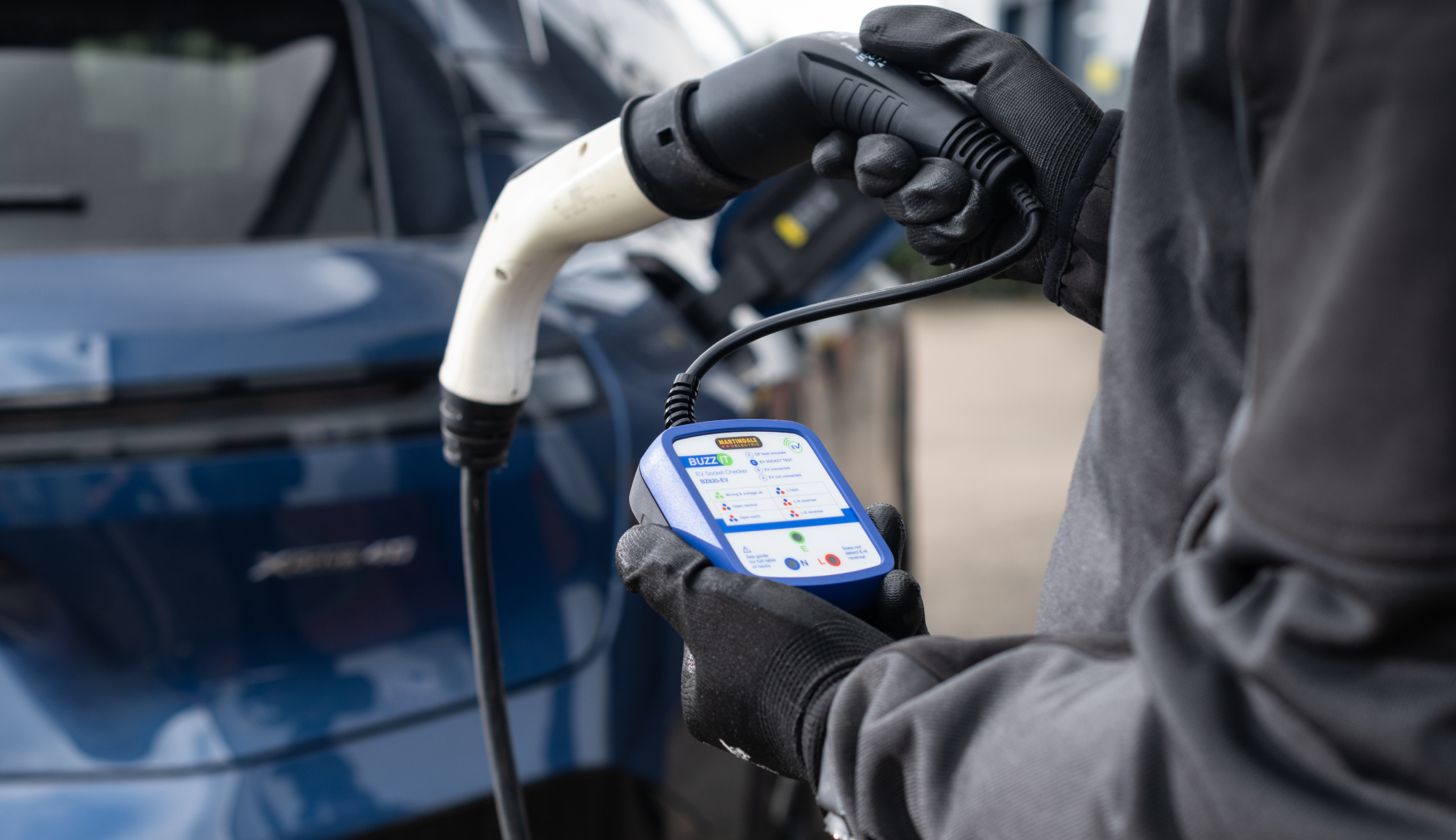
One example is the Martindale BZ820-EV socket tester, a first-line checking device designed for EV chargers equipped with a Type-2 connector. Although it does not perform residual current device (RCD) testing or earth loop impedance measurements, the unit is capable of identifying up to 28 wiring fault conditions, while confirming that supply voltage remains within acceptable operating limits.
The tester communicates charger status through LED indicators and an audible alarm, enabling installers to quickly determine whether a charger is functioning correctly or if further investigation is required. This rapid diagnostic capability can save valuable time during installation, commissioning and maintenance activities. A handy feature of the Martindale unit is its ability to simulate different vehicle states using an integrated slider switch – allowing installers to verify charger responses without requiring access to an actual electric vehicle.
As with traditional socket testers, these cost-effective EVSE testing devices are expected to become widely used as preliminary diagnostic tools, complementing more comprehensive testing undertaken with multifunction installation testers.
Multifunction testers remain central
Despite the availability of dedicated EV testing products, multifunction installation testers continue to play a critical role in EV charge point installation and periodic inspection.
MFTs support the majority of testing procedures required for EVSE verification, including earth loop impedance measurements, RCD testing and phase sequence checks for three-phase installations. As a result, they remain a core component of the electrical contractor’s toolkit.
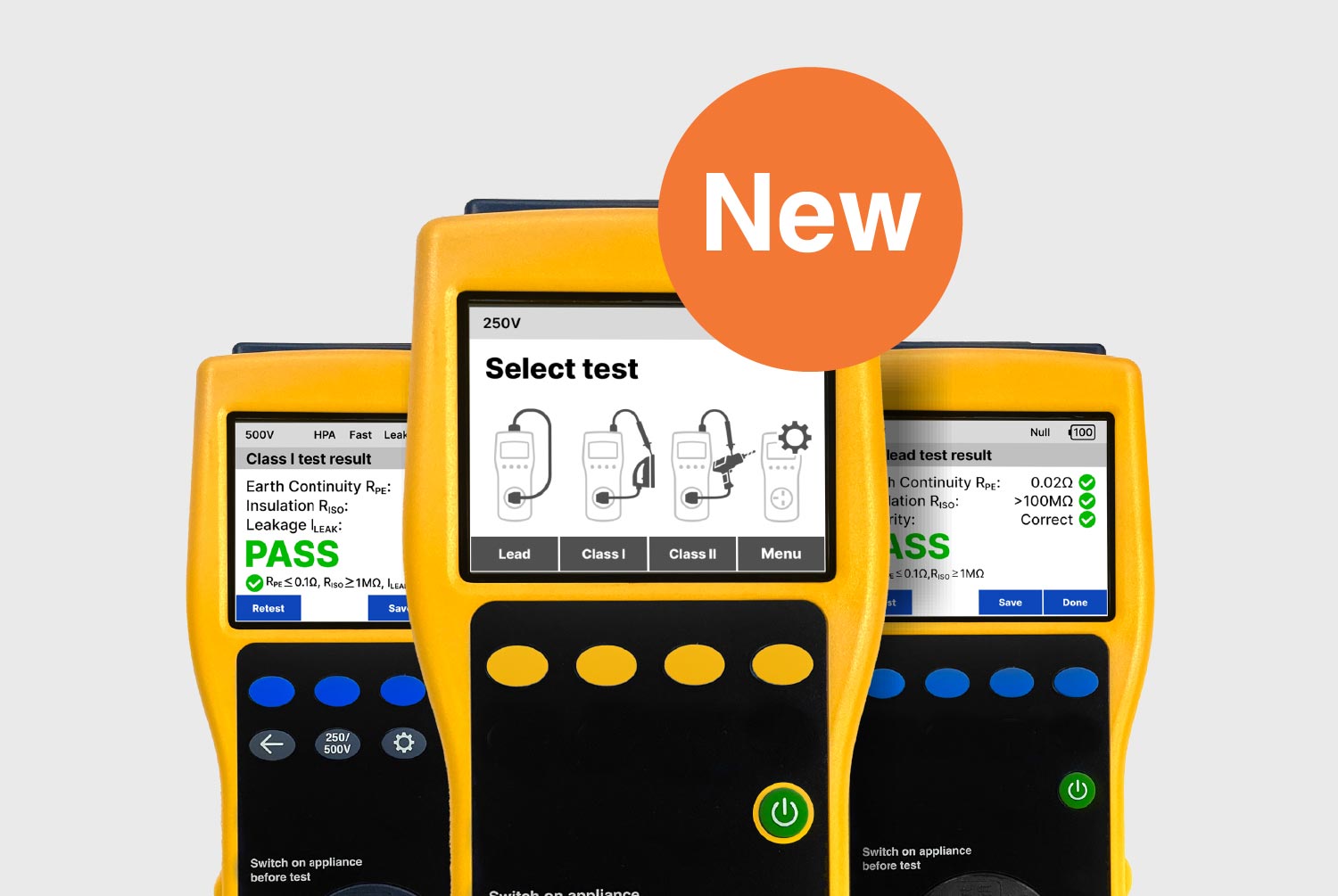
Recognising the growing importance of EV infrastructure, many manufacturers have incorporated EV-specific capabilities into modern multifunction testers. The Martindale ET6500 and ET6300 provide examples of this trend, integrating EV charger testing into a broader electrical testing platform.
Adaptors supporting comprehensive testing
Alongside dedicated test instruments, a growing range of EV adaptors and connectors are enhancing testing flexibility. These accessories can simulate vehicle connection states, facilitate control pilot signal testing and provide a practical interface between charge points and standard test equipment. For example the Martindale TL326-EV EV charger test adaptor is designed for Type-2 connectors, it connects to compatible test instruments via standard 4 mm jack plugs.
Preparing for continued expansion
As EV infrastructure deployment accelerates, manufacturers are responding with increasingly comprehensive, user-friendly and cost-effective testing solutions, specifically developed for EVSE installation and maintenance.
For electrical contractors, the growth of the EV sector represents a significant opportunity to future-proof their businesses while supporting a critical element of the UK’s energy transition. Safety, compliance and technical competence remain essential considerations, and demand for skilled electricians is expected to increase further as EV adoption continues to rise.
With the right combination of training, expertise and testing equipment, contractors are well positioned to play a central role in delivering the charging infrastructure required to support the UK’s infrastructure objectives.