




Electrical safety in UK workplaces: findings from original industry research
Understanding electrical safety in UK workplaces: 86% of electrical professionals have experienced an electrical incident
Electrical safety depends on more than regulations, guidance and training. It also depends on how those measures are applied in the real world by the people who work with or around electricity every day.
At Martindale Electric, helping people work safely around electricity has been at the heart of what we do since 1928. To better understand the challenges faced by electrical professionals today, we conducted original research among those working across the electrical industry in the UK.
The Electrical Safety in the Workplace Survey 20261 gathered 475 responses from electricians, electrical contractors, electrical installers, facilities and maintenance professionals, health and safety practitioners, students and apprentices.
The research explored experiences of electrical incidents and near misses, incident reporting, safe isolation practices, and encounters with unexpectedly live metalwork. Together, the findings provide valuable insight into how electrical safety is managed in practice and identify opportunities to improve safety across the industry.
In this article, we share the key findings from the research and consider what they mean for employers, safety professionals and those working with electricity every day.
Key findings from the research
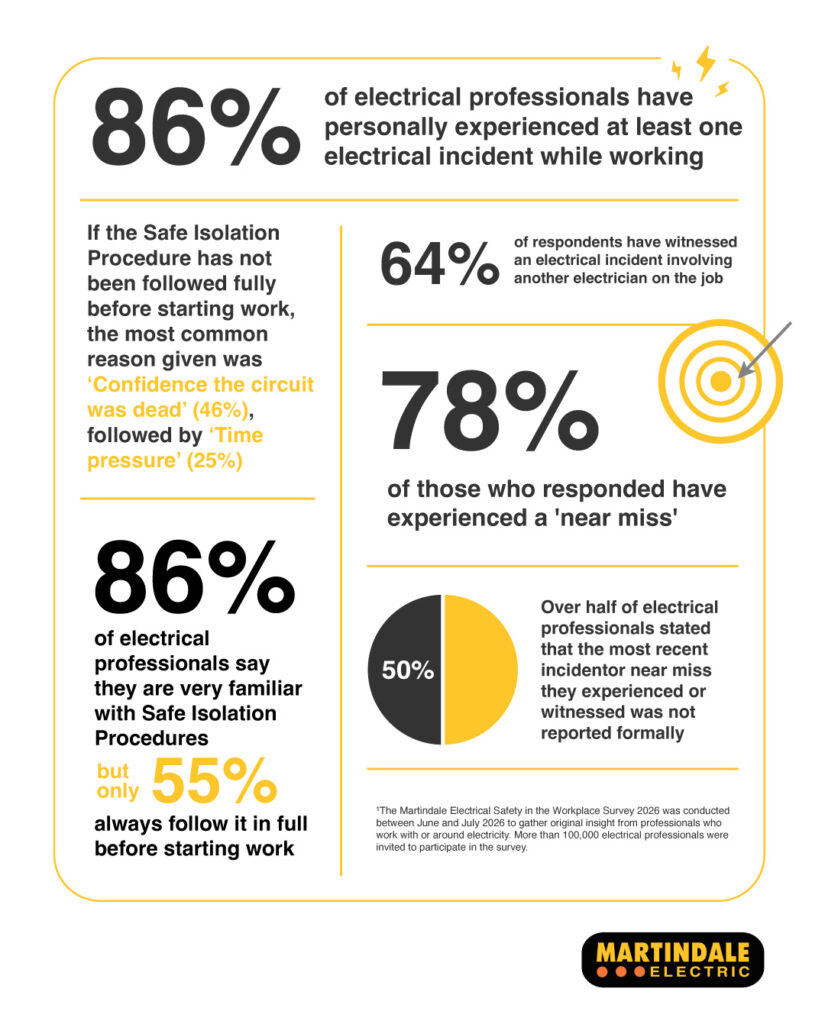
- 86% of electrical professionals have personally experienced at least one electrical incident while working
- 78% of those who responded have experienced at least one ‘near miss’ while working
- 64% have witnessed an electrical incident involving another electrician on the job
- Over half of electrical professionals stated that the most recent incident or near miss they experienced or witnessed was not reported formally.
- 86% of electrical professionals say they are very familiar with Safe Isolation Procedures but only 55% always follow it in full before starting work
- If the Safe Isolation Procedure has not been followed fully before starting work, the most common reason given was ‘confidence the circuit was dead’ (46%), followed by ‘Time pressure’ (25%).
Electrical incidents and near misses in the workplace – the true picture?
We wanted to better understand the reality of electrical incidents and near misses in the workplace, including those that may not appear in official statistics.
While reporting from the Health and Safety Executive (HSE) provides valuable data on fatal and non-fatal injuries involving electricity, it cannot capture every incident or near miss experienced by those working with or around electricity. Near misses, in particular, can provide important warning signs and valuable opportunities to learn before a more serious incident occurs.
By asking electrical professionals directly about their experiences, our research provides additional insight into the day-to-day electrical safety challenges faced across UK workplaces.
For the purposes of this research, electrical incidents and near misses included electrical shocks (including minor shocks), arc events and unexpected energisation.
While some respondents reported positive experiences and strong safety practices, the findings suggest that electrical incidents and near misses remain a significant concern. The results indicate that there is still considerable scope to strengthen electrical safety practices across many workplaces.
A third of respondents said it was either very common or quite common for electricians to experience electrical incidents and near misses at work.
The survey revealed that:
- 86% of electrical professionals have personally experienced at least one electrical incident while working. Only 14% said they had never experienced an electrical incident.
- Among those who had experienced an electrical incident, 63% had experienced two or more incidents, while 15% reported experiencing more than five incidents.
- 78% of electrical professionals have personally experienced at least one near miss while working, with half experiencing a near miss on two or more occasions.
- 64% of electrical professionals have witnessed an electrical incident involving another electrician.
- 62% have witnessed a near miss involving another electrician.
In my opinion, assuming the electrician is properly trained, over confidence, and rushing the job causes can lead to accidents. Survey Respondent
Most shocks and near misses I have experienced are down to poor workmanship from previous installers. The fact that we can reduced incidents by being more careful with our work in the first instance is often overlooked. Reducing time pressure on electricians I believe is crucial to both this and increasing the utilisation of safe isolation procedures. Survey Respondent
These findings suggest that the experiences of electrical professionals extend beyond those captured in official injury statistics alone.
Electrical incident reporting: are lessons being shared?
Every electrical incident and near miss has the potential to provide important safety lessons, but only if it is reported and acted upon.
Reporting helps organisations understand where risks exist, identify underlying causes and take steps to prevent future incidents. We therefore explored how consistently electrical incidents and near misses are reported in practice, and as a consequence whether lessons are being shared across workplaces.
Our research found:
- Over half of electrical professionals stated that the most recent incident or near miss they experienced or witnessed was not reported formally.
- Only 27% of electrical incidents or near misses are ‘always’ formally reported.
- 40% of electrical incidents or near misses are ‘rarely’ or ‘never’ formally reported.
- If the incident or near miss wasn’t reported, the most common reason was ‘It didn’t seem serious enough.
These figures show that electrical incidents and near misses are still far too common on site and that too many go unreported. Steve Dunning, Managing Director, Martindale Electric.
Taken together, these findings suggest that underreporting remains a challenge across the industry. When incidents and near misses are not formally reported, organisations may miss opportunities to identify trends, address underlying causes and prevent similar events from occurring in the future.
Does ‘culture’ play a part in non-reporting?
Is there an underlying workplace culture that may inhibit incident reporting in some cases? To help understand these findings, we also explored the reasons why incidents and near misses are not always reported.
Interestingly, some responses suggested that cultural pressures or concerns about blame may influence reporting behaviour. If the incident or near miss wasn’t reported, 16% of respondents cited ‘ concern about blame or consequences’ and 14% cited ‘it is considered part of the job’.
- Whilst 53% of respondents feel comfortable reporting incidents in their workplace, 17% feel slightly or very uncomfortable.
- 50% of respondents have experienced electrical incidents and near misses being treated as a normal part of the job within the trade.
Example comments from respondents when asked what, in their opinion, would most improve incident reporting in the industry:
Reporting needs to have a radical change in focus. From the old days – if no one was hurt this time, thank your lucky stars and don’t do it again – to a more encouraging reporting of any issue so it can be made safe so there is not a next time. Without the fear of being labelled as a troublemaker.
Knowledge from the company that it won’t lead to blame, just a better reporting culture.
You need to believe in a ‘no blame culture; to report problems without getting yourself or others into trouble by reporting incidents.
The findings suggest that creating an open reporting culture remains an important part of helping organisations learn from incidents and near misses and improve electrical safety.
Safe isolation procedures in practice
While reporting helps organisations learn from incidents after they occur, preventing incidents in the first place remains the ultimate goal. Safe isolation is one of the most important controls for reducing electrical risk, so we explored how it is being applied in practice and whether there are opportunities to improve consistency across the industry.
The survey responses highlighted widespread awareness of the Safe Isolation Procedure.
More than 86% of respondents said they were very familiar with the procedure, while only 2% said they were unfamiliar with it. Similarly, when asked about individual stages of the process, 86% of respondents reported that they were either ‘extremely’ or ‘very’ confident that they knew every step of the Safe Isolation Procedure.
While this is a positive indication that safe isolation is a widely recognised electrical safety procedure, only 55% of respondents said they always follow the full Safe Isolation Procedure before starting work.
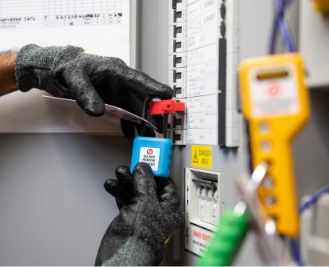
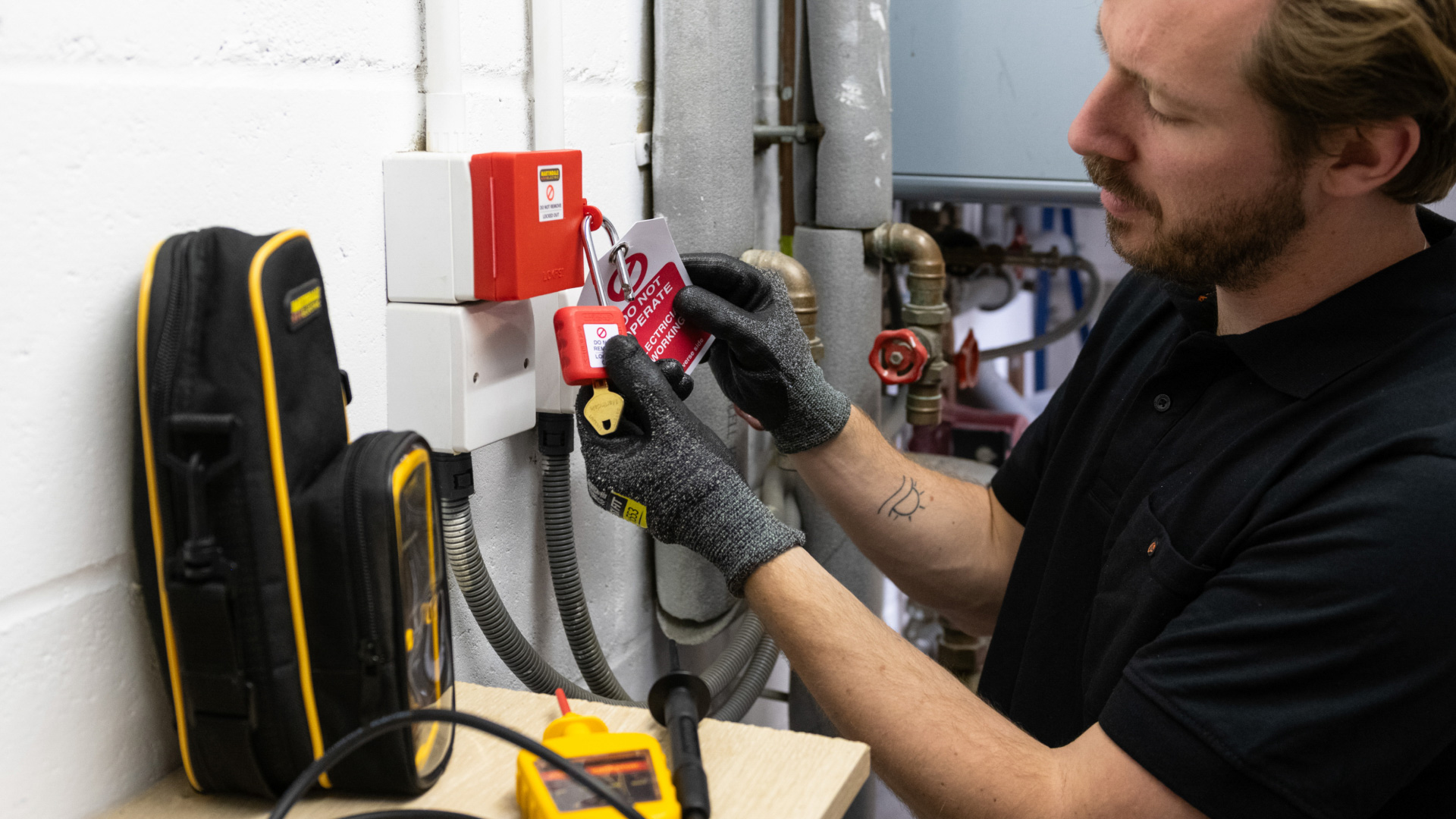
In addition, only 42% of respondents said they always carry out Lockout Tagout (LOTO) before starting work. As a critical part of the Safe Isolation Procedure, this may also suggest a gap between awareness of the procedure and its consistent application in practice.
The culture of not bothering to lock off is very common in the industry. This needs to change as it breeds a lackadaisical approach of “I’ve never had an electrical shock, so why bother” attitude. Survey Respondent
These findings highlight a potential disconnect between knowledge and implementation in day-to-day working environments.
In my experience it is primarily down to confidence that a circuit is dead and will remain dead whilst work is carried out, contributing to the full safe isolation procedure not being followed. This over confidence is the primary cause of electrical incidences or near misses, but there is very little that can be changed in this regard. Survey Respondent
Delving deeper into why safe isolation procedures may not always be followed, 46% of respondents cited confidence that the circuit was dead, while 25% cited time pressures. Other reasons included a lack of equipment, a lack of training and a lack of understanding of the procedure itself.
Some respondents also highlighted wider commercial and operational pressures that can make it more difficult to follow safe working practices consistently.
Unfortunately the electrical industry is fraught with dangers like, having to test live appliances and systems. There is the added pressure from clients for the electricity not to be switched off for maintenance, particularly in sectors where they rely on customer satisfaction like, hotels, restaurants, leisure centres etc, this forces electrical companies to act outside of the safe working practices and if your company refuses to do the work un safely, they find a company that will. Therefore, these businesses, both the electrical company and the customer, should be held accountable for their actions to stop this practice within the industry. Survey respondent
The findings suggest that improving electrical safety is not only about awareness and training, but also about ensuring people are supported to follow safe procedures consistently.
It is positive to see that almost every respondent to our research recognises the Safe Isolation Procedure but recognising it and following it fully every single time are clearly two different things. We really want to encourage everyone working around electricity to maintain their awareness of electrical safety procedures and use the resources available to keep their knowledge up to date on the latest safety practices and guidance. Steve Dunning, Managing Director, Martindale Electric.
Encountering unexpectedly live metalwork
Even when stringent safe isolation procedures are followed, other electrical hazards can still be present when working on or around electrical systems. One such hazard is unexpectedly live metalwork.
Our research found that 44% of respondents have encountered metalwork that was unexpectedly live when they believed it to be safe to touch. In addition, a third of respondents said they do not use a tester to check for touch voltage on metalwork.
Taken together, the responses suggest that unexpectedly live metalwork may be a more common experience than many might expect. They also highlight the importance of not assuming that exposed metal parts are safe to touch without appropriate testing and verification.
Whether it is metal casings, enclosures, pipework or other conductive metalwork, faults can occur that result in metal parts becoming live. The survey reinforces the importance of checking before touching and maintaining a cautious approach when working on or around electrical systems.
What the findings mean for electrical safety in the workplace
While the findings highlight some encouraging signs, particularly around awareness of electrical safety and safe isolation procedures, they also point to several ongoing challenges for the industry.
Perhaps the clearest message from the research is that awareness alone does not always translate into action. For example, most respondents were familiar with safe isolation procedures and recognised the importance of electrical safety, yet electrical incidents, near misses and encounters with unexpectedly live metalwork remain common experiences for many people working with or around electricity.
The research also suggests that opportunities to learn from these experiences may sometimes be missed. Many incidents and near misses are not formally reported, while some respondents indicated that concerns about blame or a perception that incidents are simply ‘part of the job’ may still influence reporting behaviour.
Taken together, the findings suggest that improving electrical safety is not simply about increasing awareness or introducing new procedures. It is also about ensuring that safe working practices are followed consistently, encouraging open reporting, and creating a culture where lessons can be learned and shared.
For employers, safety professionals and those responsible for electrical safety, the findings reinforce the importance of maintaining strong safety cultures and ensuring that critical procedures such as safe isolation are applied consistently in practice.
Turning insight into action
Research can help identify risks and challenges, but improving electrical safety ultimately depends on turning those insights into practical action.
At Martindale Electric, improving electrical safety has been at the heart of what we do for almost a century. Alongside developing electrical safety solutions, we continue to support industry awareness through practical campaigns designed to promote safer working practices and encourage greater understanding of electrical risks.
ALIVE campaign
ALIVE is Martindale’s safe isolation campaign, designed to promote the consistent application of safe isolation procedures and help reduce electricity-related injuries and fatalities in the workplace.
The campaign highlights the five vital steps that should always form part of a safe isolation procedure. The memorable ALIVE acronym was created to make these steps easier to remember and apply in practice, helping electrical professionals maintain safe working practices when carrying out electrical work.
Learn more about Martindale’s ALIVE campaign.
STOP. No Check. No Contact campaign
STOP. No Check. No Contact. is our campaign to raise awareness of the dangers associated with unexpectedly live metalwork.
The campaign encourages electrical professionals to verify that metalwork is safe before making contact and highlights the potential risks posed by conductive metal parts that may become live under fault conditions. This often-overlooked hazard can be present in a wide range of environments, from domestic installations through to commercial and industrial setting.
Learn more about Martindale’s STOP. No Check. No Contact campaign.
In conclusion
Ultimately, electrical safety is shaped by the decisions made every day in workplaces across the UK. By understanding the experiences of those working with or around electricity, the industry can continue to identify risks, share learning and take practical steps towards safer working environments.
“In my experience, most electrical incidents and near misses are not caused by one single mistake, but by a combination of pressure, lack of communication, unclear responsibilities, and people feeling unable to speak up. The industry would benefit from a stronger culture where near misses are reported without fear of blame, lessons are shared properly, and everyone from management to site personnel takes accountability. More practical training, better supervision, and honest conversations after incidents would help prevent the same mistakes happening again.” Survey Respondent
While the findings highlight areas where progress has been made, they also reinforce the importance of maintaining strong safety cultures, encouraging open reporting and ensuring that critical safety procedures are applied consistently in practice. Continued collaboration between employers, safety professionals, manufacturers and those working on the front line will be essential in driving further improvements in electrical safety across the industry.
1 About the Research
The Martindale Electrical Safety in the Workplace Survey 2026 was conducted between June and July 2026 to gather original insight from professionals who work with or around electricity. The research aimed to better understand real-world experiences of electrical safety, including electrical incidents, near misses, incident reporting, safe isolation practices, and experiences of unexpectedly live metalwork, with the goal of identifying opportunities to improve electrical safety across the industry.
Martindale Electric invited more than 100,000 electrical professionals to participate in the survey, including electricians, electrical contractors, electrical installers, facilities and maintenance professionals, health and safety practitioners, students and apprentices.
A total of 475 completed responses were received and analysed. The findings provide a snapshot of current attitudes, behaviours and experiences relating to electrical safety in UK workplaces and highlight opportunities to improve electrical safety across the industry.
The research was designed and conducted by Martindale Electric and represents original industry research into electrical safety practices and experiences in UK workplaces.