





Lockout tagout and electrical safety: a critical part of the safe isolation process
Electrical work presents a range of hazards, from electric shock and burns to arc flash incidents and unexpected energisation. For anyone carrying out installation, maintenance, inspection or repair work, ensuring that equipment is properly isolated from its energy source is essential.
While safe isolation is a well-established principle, one aspect that plays a particularly important role in protecting workers is lockout tagout (LOTO). By preventing equipment from being accidentally re-energised while work is underway, lockout tagout helps create a safer working environment and supports effective hazardous energy control.
In this article, we explore what lockout tagout is, why it matters for electrical safety and how it fits into the wider safe isolation process.
What is lockout tagout?
Lockout tagout (LOTO) is a safety procedure used to ensure that machinery, equipment or electrical systems remain isolated from their energy sources while installation, maintenance or servicing work is being carried out.
The process typically involves two key elements:
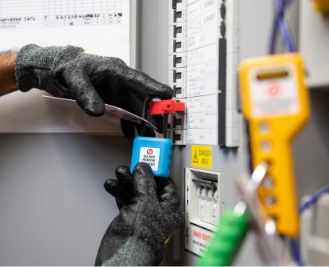
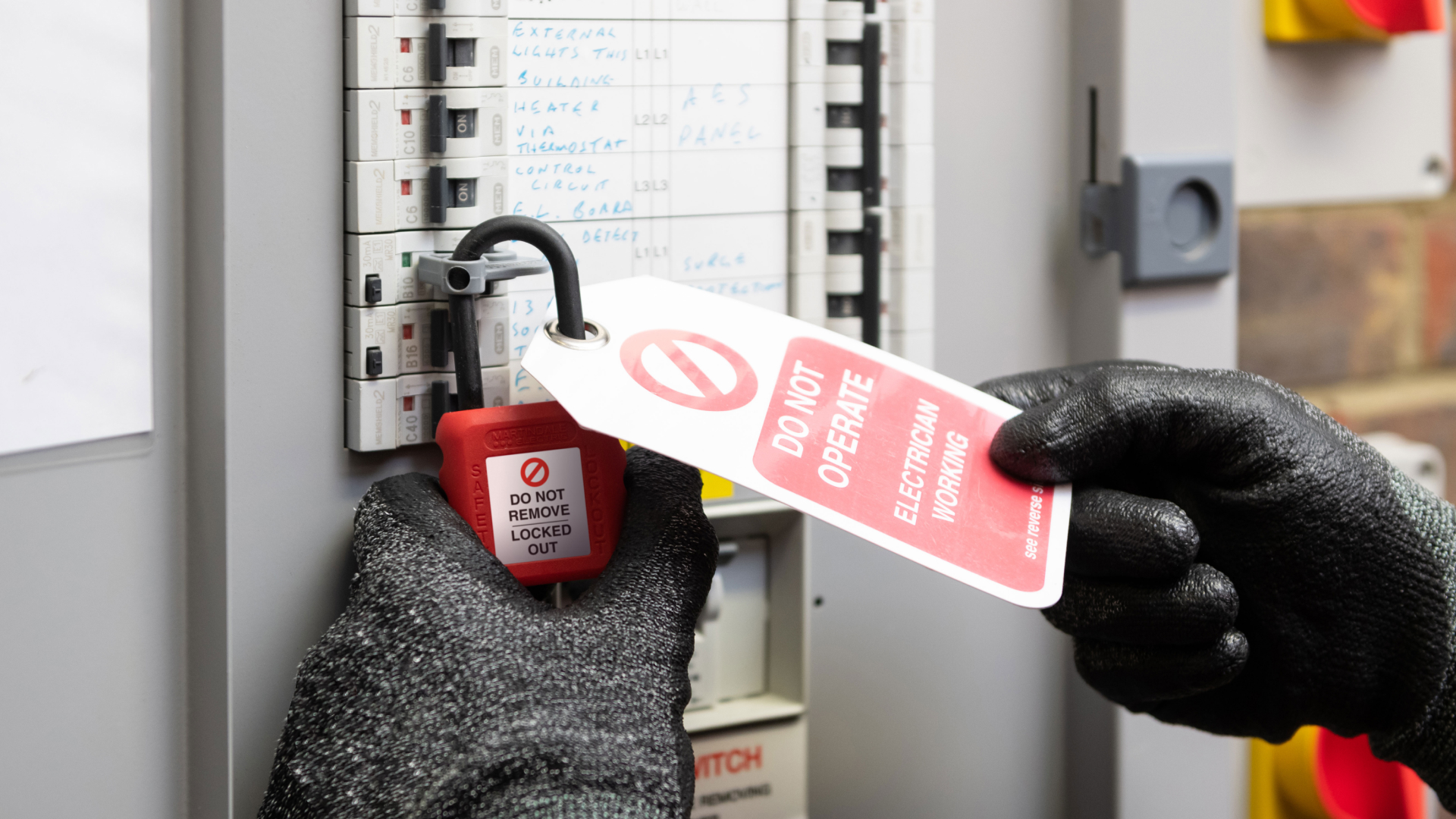
- Lockout: Locating the relevant electrical isolation point and then applying a physical locking device preventing equipment from being operated or re-energised.
- Tagout: Attaching a warning tag or label to clearly indicate that work is taking place and that the equipment must not be operated.
Together, these measures help prevent accidental start-up, unexpected energisation or the release of stored energy that could put workers at risk.
Lockout tagout is only one stage of a safe isolation procedure. Circuits can be mislabelled or could have been modified so checking the circuit to be worked on is truly dead by use of a voltage indicator/ proving unit combination is essential.
Why is lockout tagout essential for electrical safety?
Simply switching off equipment does not always guarantee safety.
Electrical systems can sometimes be re-energised unintentionally through human error, poor communication or a lack of clear controls. In some situations, workers may assume equipment has been isolated when hazardous energy is still present.
Lockout tagout helps reduce these risks by providing a physical barrier that prevents isolation devices from being operated until work has been completed.
When implemented correctly, lockout tagout can help:
- Prevent accidental re-energisation of electrical equipment
- Protect workers from electric shock and arc flash hazards
- Give clear communication that a circuit is isolated and being worked on
- Support compliance with workplace safety procedures
- Reduce the likelihood of serious incidents during electrical work activities.
By ensuring that isolation points remain secure throughout the duration of a task, lockout tagout forms an important layer of protection within any electrical safety programme
Lockout tagout as part of the safe isolation process
While safe isolation and lockout tagout are often discussed together, they are not the same thing.
Safe isolation is the overall process used to establish a safe working condition before work begins. Lockout tagout is one of the control measures used within that process to secure isolation points and prevent accidental re-energisation.
A safe isolation procedure should always follow established company procedures, industry guidance and risk assessments. Although exact requirements may vary depending on the task and working environment, the process typically includes the following stages:
1. Use correct, compliant equipment
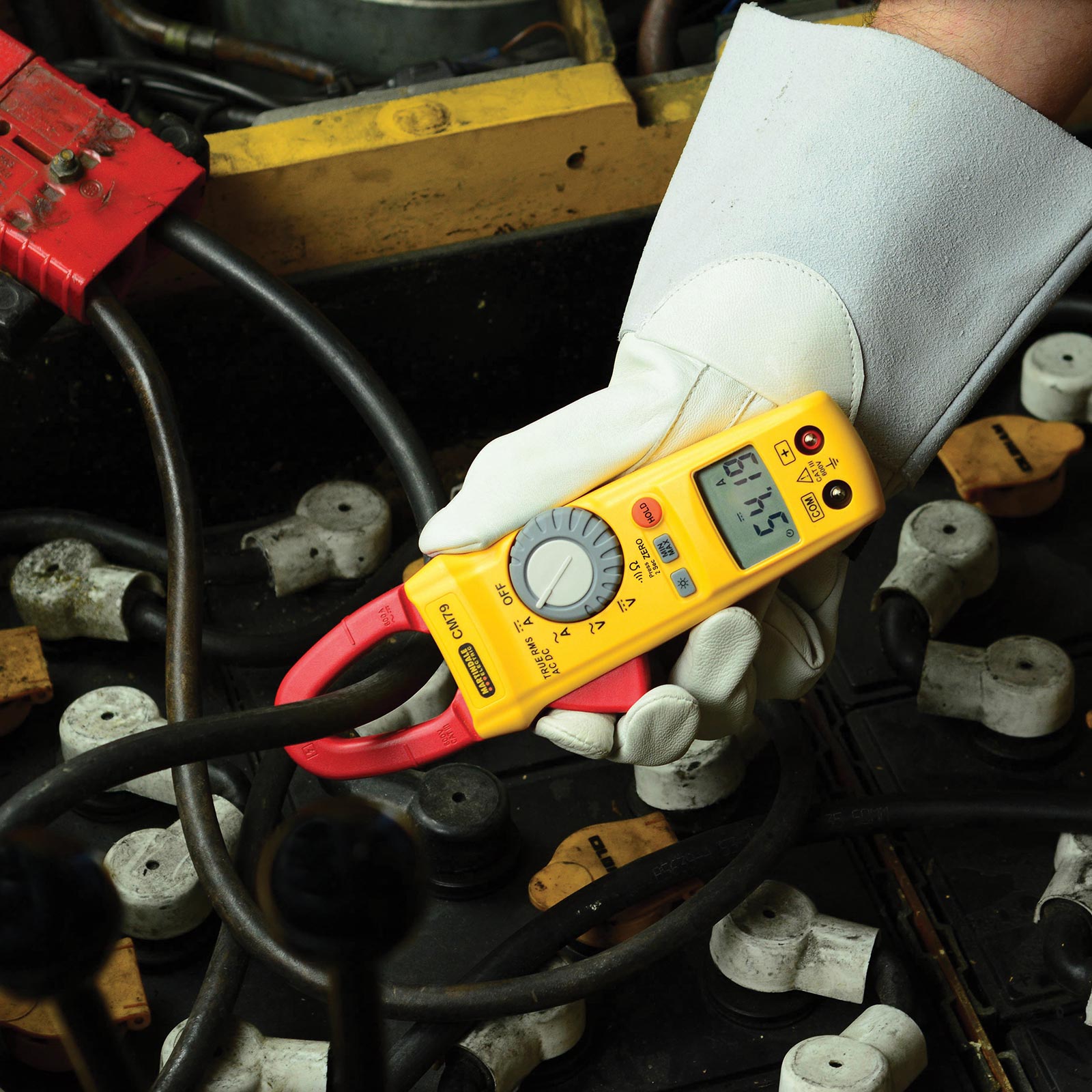
Before work begins, ensure that the correct, compliant equipment is available and in good working condition. Including, two-pole voltage indicator and dedicated proving unit, single pole contact voltage indicator, lockout devices, warning tags and personal protective equipment (PPE) when required.
2. Obtain permission and complete a risk assessment
The work should be properly authorised with permission obtained from the duty holder or authorised person and supported by a suitable risk assessment. This helps identify potential hazards, affected equipment and any additional control measures required.
3. Carry out a live metal check
Before testing, if there is exposed metal parts cabinets etc, carry out a live metal check using a single-pole indicator. This step is critical especially where wiring faults, diverted currents, or shared neutrals may exist
4. Perform an initial prove
Verify that the voltage indicator or test instrument is functioning correctly using an approved proving unit or known live source.
5. Confirm the circuit is live
Test the circuit to confirm the presence of voltage before isolation. This demonstrates that both the circuit and the tester are functioning correctly before isolation.
6. Isolate and lockout
Disconnect the circuit from its power source and apply appropriate lockout devices to secure the isolation point. Warning tags should also be applied to communicate that work is in progress and prevent unauthorised re-energisation.
7. Prove dead
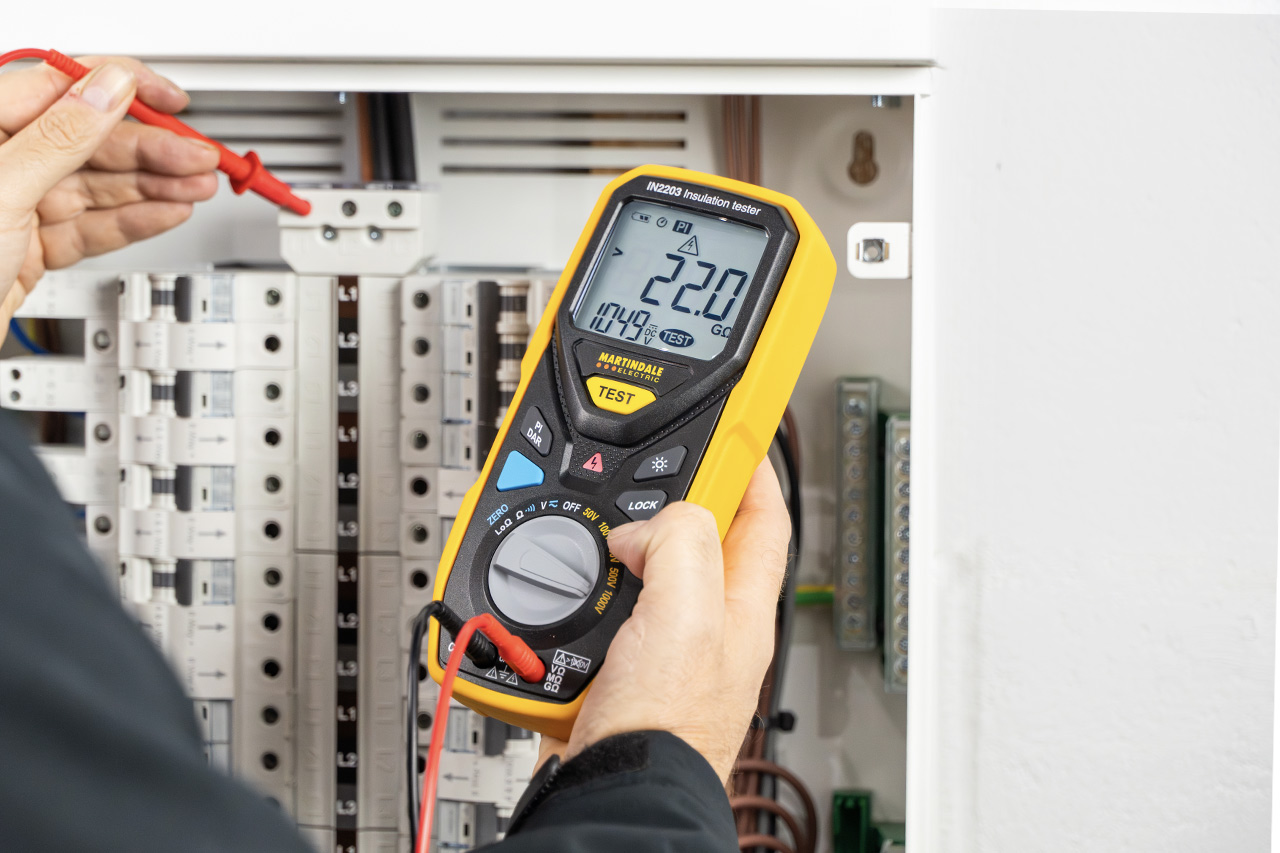
Using the correct test sequence and approved equipment, verify that the conductors are no longer energised and that the circuit is safe to work on.
8. Reprove the tester
Following the dead test, recheck the voltage indicator using the proving unit or known live source to confirm that the test instrument remained operational throughout the procedure.
9. Commence Work
Once isolation has been verified and all safety controls are in place, maintenance, inspection or installation work can begin safely.
By combining safe isolation practices with lockout tagout procedures, organisations can help reduce the risk of electric shock, accidental re-energisation and other hazardous energy-related incidents.
Lockout kits and equipment
Effective lockout tagout procedures rely not only on training and documentation but also on having access to the correct equipment.
Lock off kits are designed to provide workers with the devices required to secure common isolation points and support consistent implementation of lockout procedures.
Depending on the application, a lockout kit may include:
- Safety padlocks
- Lockout hasps
- Safety tags & marker pen
- Cable lockout
- MCB lock out devices
For electrical applications, lockout devices are often selected to suit specific circuit breakers, isolators and switching devices. Using the correct equipment helps ensure that isolation points remain secure and cannot be easily bypassed or tampered with.
Keeping lockout equipment organised within dedicated kits can also help improve efficiency, particularly during planned maintenance activities where multiple isolation points may need to be secured.
Where multiple workers are involved, each should have a unique locking device (padlock). The lockout tagout kit should include a hasp where multiple users can lock the isolation point.
Martindale offer a wide range of safe isolation kits for specific applications from basic domestic electrical work through to industrial maintenance. Specifically tailored kits are also available for Gas installers and smart metering installation.
Common lockout tagout mistakes
Even the most comprehensive procedures can be undermined if lockout tagout practices are not followed correctly.
Some of the most common mistakes include:
Failing to identify all energy sources
Overlooking a secondary power source, stored energy or interconnected equipment can leave workers exposed to unexpected hazards.
Skipping verification steps
Isolation should never be assumed. Verifying that equipment is de-energised remains the most important part of any safe isolation process.
Using incorrect lockout devices
Lockout equipment should be suitable for the specific isolation point being secured.
Poor communication
Where multiple teams or contractors are involved, clear communication is essential to ensure everyone understands the status of equipment and ongoing work activities.
Using Lockout Tagout log books can help support clear communication by helping workplaces document and track lockout/tagout procedures in a centralised log.
Inadequate training
Workers should be familiar with both the organisation’s lockout procedures and the equipment used to implement them.
Regular reviews, refresher lockout tagout training and audits can help ensure that lockout tagout procedures remain effective over time.
Conclusion
Lockout tagout plays a vital role in protecting workers from electrical hazards during maintenance and servicing activities. By preventing accidental re-energisation and supporting effective hazardous energy control, LOTO provides an additional layer of protection within the wider safe isolation process.
When combined with appropriate procedures, training, verification practices and the correct lockout equipment, lockout tagout can help organisations improve electrical safety, reduce risk and create safer working environments for everyone involved.